







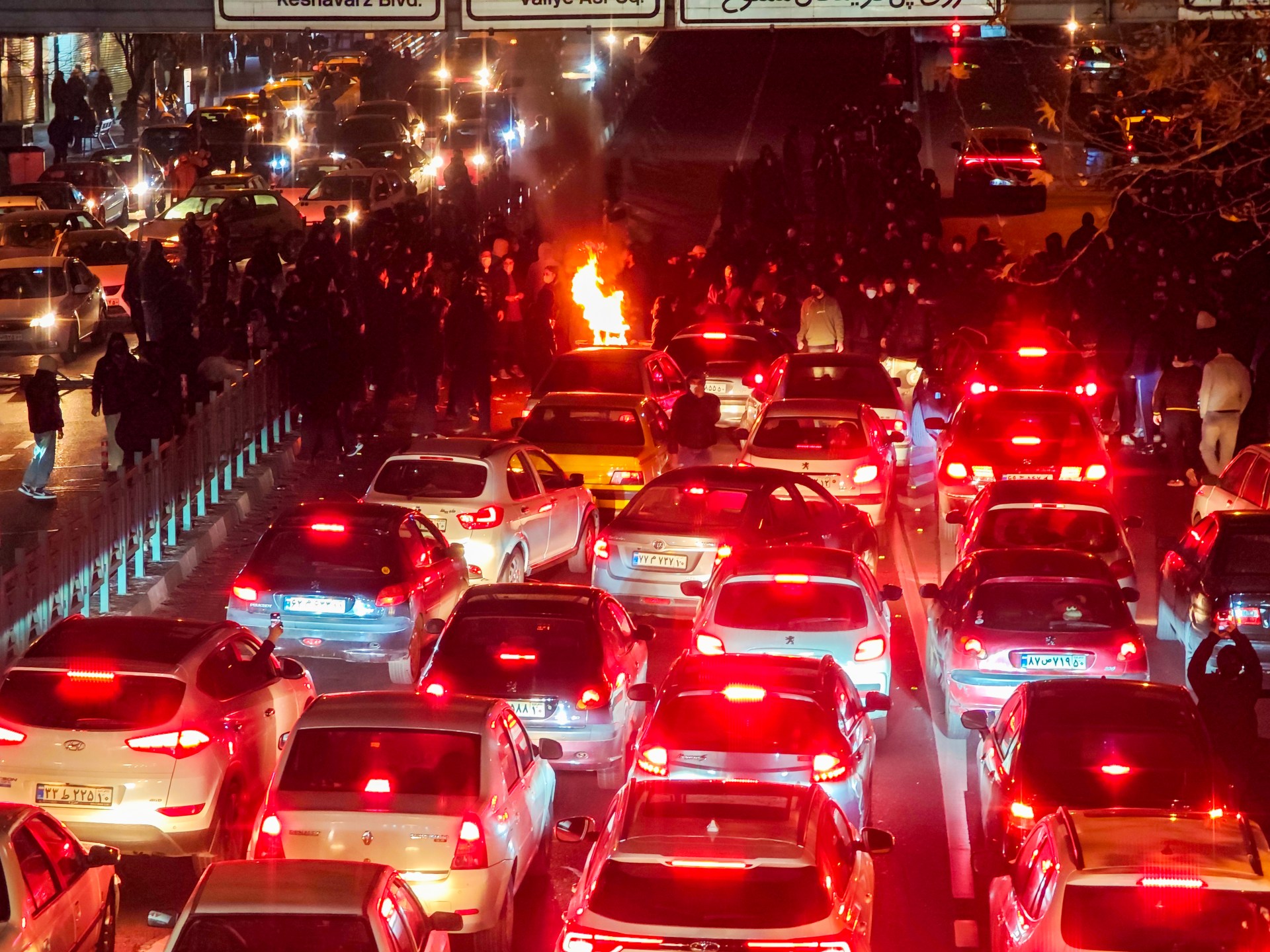
The recent wave of protests across Iranian cities has subsided, leaving in its wake a trail of destruction and economic disruption. While initial assessments focus on the tangible الخسائر المادية (material losses), experts warn that the full extent of the damage, both direct and indirect, is still unfolding. This article delves into the reported financial costs, the impact on the digital economy, and the broader socio-economic consequences of the unrest, as of January 19, 2026.
تقييم الأضرار المادية الأولية (Initial Assessment of Material Damage)
Official figures released by Tehran’s municipality paint a stark picture of the immediate aftermath. Mayor Alireza Zakani announced that damage to public infrastructure within the capital reached 30 trillion rials (approximately $20.7 million USD). This includes the complete destruction of 89 buses and damage to two municipal buildings. The exchange rate used for this calculation is 1,450,000 rials per US dollar.
Governor of Tehran, Mohammad Sadegh Montazarian, further detailed the widespread destruction, reporting over 1,000 vehicles – including taxis, public buses, and private cars – were destroyed. The impact extended to emergency services, with 54 ambulances and 71 fire trucks damaged. Religious sites and commercial areas were also targeted, with 44 mosques, 26 shopping centers, and numerous private residences suffering damage.
State television aired a comprehensive report highlighting additional losses. Three major libraries were burned, and eight historical sites sustained primary damage, with a further 450 sites experiencing partial damage. The report also cited damage to 4 cinemas, 250 mosques, 20 Hosseiniyas (Shia religious centers), 265 educational institutions, 182 ambulances, 1400 ATMs, 364 large stores, and 419 smaller commercial establishments across the country. Damage to the electricity grid is estimated at 10 trillion rials ($7 million USD), while the banking sector suffered losses of 21 trillion rials ($14.5 million USD).
تأثير الاحتجاجات على الاقتصاد الإيراني (Impact of Protests on the Iranian Economy)
Beyond the immediate physical damage, economists are concerned about the long-term repercussions of the protests on the already fragile Iranian economy. Saeed Lailaz, an economic expert, believes the الخسائر غير المباشرة (indirect losses) are significant and haven’t been fully quantified. He points to the accelerated decline of the Iranian rial in recent weeks as a direct consequence of the unrest.
The government will face substantial costs in rebuilding damaged infrastructure, a burden that will likely exacerbate the existing budget deficit. This, in turn, could force the Central Bank to print more money, further devaluing the rial and fueling inflation. Lailaz also anticipates increased international pressure on Iran’s economy due to the political tensions stemming from the events. The combination of these factors creates a challenging outlook for economic stability.
الاقتصاد الرقمي في خطر (The Digital Economy at Risk)
A particularly worrying aspect of the aftermath is the impact on Iran’s digital economy. The widespread and repeated internet shutdowns, implemented during the protests, have been described as devastating by industry leaders. Bostan Pourbreshki, Deputy Head of the Iranian Digital Business Association, warned that these disruptions are crippling the sector.
He stated that sales for over 90% of small and medium-sized enterprises (SMEs) operating online have plummeted, resulting in losses amounting to trillions of rials. His own platform, “Padro,” a leading e-commerce service, saw over 100,000 online stores effectively shut down due to the internet outages.
Furthermore, over a million jobs linked to businesses on social media platforms like Instagram are facing uncertainty. The ability of these small digital businesses to withstand these repeated shocks is severely compromised. Pourbreshki emphasized that the uncertainty surrounding the restoration of full internet access is a major source of psychological and economic stress for those working in the sector, and fears a gradual exodus from the digital economy. The continued disruption to internet access represents a significant threat to التجارة الإلكترونية (e-commerce) in Iran.
التداعيات النفسية والاجتماعية (Psychological and Social Repercussions)
While quantifying financial losses is crucial, experts caution against overlooking the profound psychological and social consequences of the protests. Sociologist Majid Abhari highlights that the true damage “far exceeds” the material costs. He emphasizes the difficulty of overcoming the psychological trauma, particularly for women and young people.
Abhari argues that assessing these events solely through a financial lens is a flawed approach, failing to capture the full depth of their impact on Iranian society. The long-term effects on social cohesion and trust are likely to be substantial and require careful consideration. The lack of transparency regarding the number of casualties, compounded by internet restrictions, further exacerbates these anxieties. Understanding these التداعيات الاجتماعية (social repercussions) is vital for long-term recovery.
الخلاصة (Conclusion)
The recent protests in Iran have inflicted significant الخسائر المادية and pose a serious threat to the nation’s economic stability, particularly its burgeoning digital sector. While the immediate financial costs are substantial, the الخسائر غير المباشرة and the long-term psychological and social repercussions are likely to be far more profound. Addressing these challenges will require a comprehensive approach that prioritizes not only economic reconstruction but also social healing and a commitment to fostering a more open and transparent environment. Further research and analysis are needed to fully understand the extent of the damage and to develop effective strategies for recovery and future stability.