






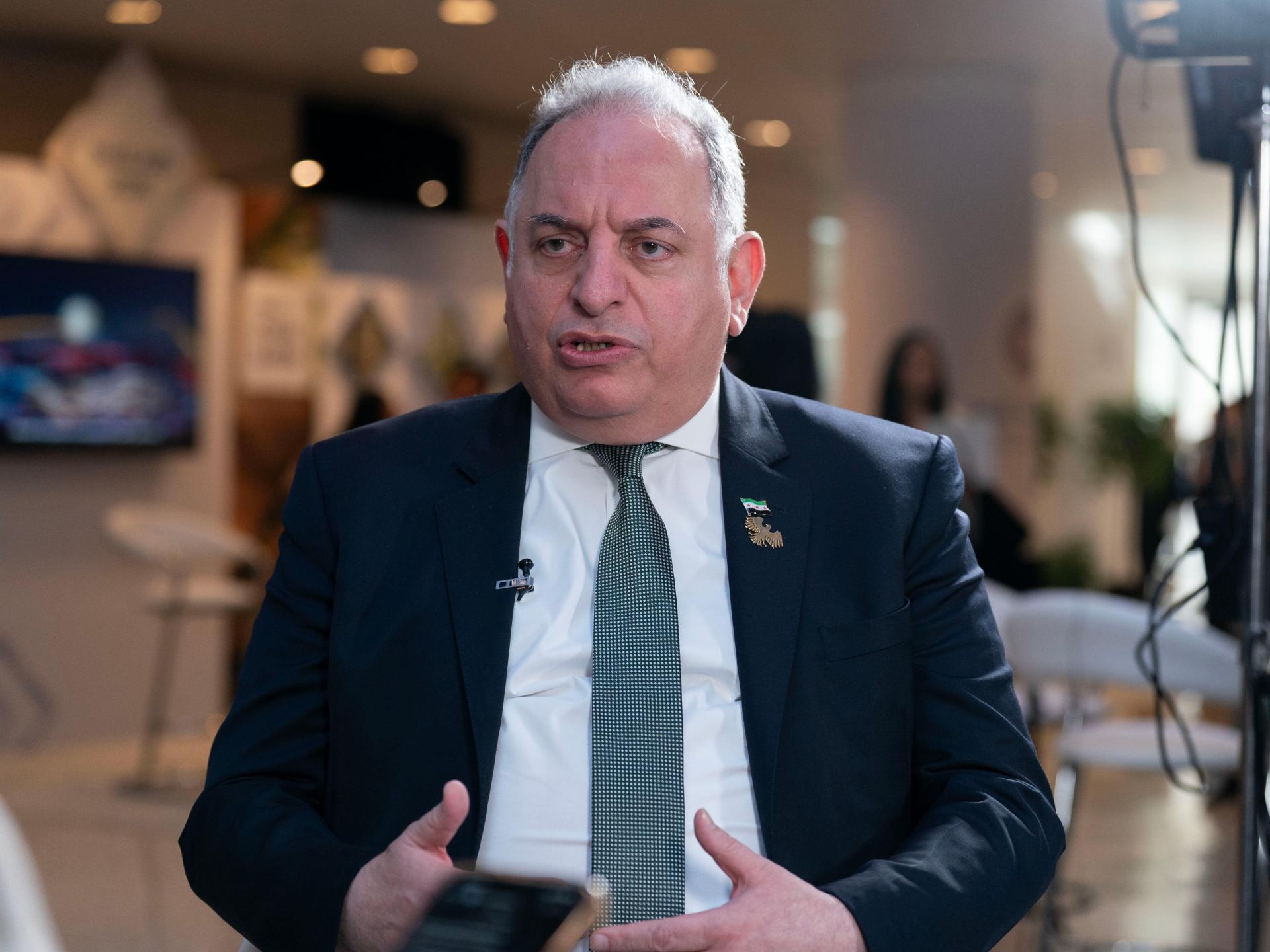
The recent regaining of control over key oil and gas fields in Syria by the Syrian Arab Army marks a pivotal moment for the nation, promising a significant boost to its economy and a step towards greater stability. This development, announced on Sunday, January 18th, 2026, is expected to have far-reaching consequences, particularly regarding الوضع الاقتصادي في سوريا (the economic situation in Syria). The Syrian Minister of Finance, Mohammed Issam Khayali, emphasized the importance of this return to state sovereignty, not only politically and socially but also financially and economically.
عودة السيطرة على حقول النفط والغاز: نقطة تحول اقتصادية (Return of Control over Oil and Gas Fields: An Economic Turning Point)
The regaining of control over vital resources like oil and gas fields in areas previously outside government control represents a crucial step in unifying Syria’s geography and maximizing its economic potential. For years, the Syrian economy has been severely strained by conflict, sanctions, and the loss of control over significant portions of its territory, including resource-rich regions. The return of these areas, specifically the Omar, Tanak, Jafra, and Azba oil fields, along with the Konico gas field, and the Rusaifa and Sfeiyan fields, is anticipated to alleviate some of these pressures.
According to the Syrian Oil Company, the handover of the Rusaifa and Sfeiyan fields from the Syrian Democratic Forces (QSD) is already underway, with the goal of swiftly resuming operations. This is a critical component of the broader effort to revitalize Syria’s energy sector.
تأثير ذلك على الموازنة العامة والتمويل (Impact on the Public Budget and Financing)
Minister Khayali highlighted the positive impact on state finances, the general budget, and funding plans for reconstruction projects. He acknowledged that while the situation won’t immediately become “comfortable,” the increased resources will significantly reduce the pressure stemming from limited financial capabilities. This improved financial position will allow for expanded investment in essential sectors.
مجالات الاستثمار ذات الأولوية (Priority Investment Areas)
The Syrian government intends to prioritize investments in infrastructure, basic services, energy, healthcare, and education. These sectors have been particularly hard hit by the years of conflict and are vital for improving the living conditions of Syrian citizens and fostering long-term sustainable development. The focus will be on rebuilding what was lost and modernizing existing systems. This strategic allocation of resources is key to achieving التنمية الشاملة في سوريا (comprehensive development in Syria).
إشارة إيجابية للمستثمرين (A Positive Signal for Investors)
The return of control over these territories is not merely an economic event; it’s a powerful message to investors, both domestic and international. Minister Khayali stated that this demonstrates Syria’s path towards stability and unity. This stability is a prerequisite for attracting foreign investment, which is crucial for accelerating the pace of reconstruction and economic recovery. The government’s commitment is to prioritize the well-being of Syrian citizens and improve their livelihoods.
فائض الموازنة وتوازن السيولة النقدية (Budget Surplus and Cash Flow Balance)
Notably, Syria’s budget has recently achieved a modest surplus – the first in nearly four decades. This positive development, however, doesn’t imply a willingness to drastically increase spending without corresponding revenue growth. The government is cautious about creating inflationary pressures or accumulating further public debt. Maintaining التوازن النقدي (monetary balance) is a key objective.
The Central Bank of Syria, through its Governor Dr. Abdul Qader Al-Houssari, affirmed that the return of state resources to institutional frameworks is essential for restoring monetary balance and enhancing the effectiveness of financial management tools.
خطط لزيادة الإنتاج (Plans to Increase Production)
The Syrian government is actively pursuing plans to significantly increase oil production, aiming to reach 100,000 barrels per day in 2026, up from 30,000 barrels per day in 2023. Syria’s proven oil reserves are estimated at around 2.5 billion barrels, placing it 32nd globally.
In the gas sector, the government anticipates increasing production to 15 million cubic meters by 2026. These ambitious targets underscore the government’s commitment to leveraging its natural resources for economic revitalization. This increased production will contribute significantly to improving the الوضع الاقتصادي في سوريا (the economic situation in Syria).
نظرة على أهم الحقول المسترجعة (Overview of Key Recovered Fields)
Understanding the significance of these reclaimed fields requires a closer look at their potential:
- حقل العمر (Omar Oil Field): Located in Deir ez-Zor, this was Syria’s largest oil field before 2011, producing 80,000 barrels per day. Current production stands at 20,000 barrels per day, but there is substantial room for growth.
- حقل التنك (Tanak Oil Field): Another key field in the Deir ez-Zor region, Tanak produced 40,000 barrels per day in 2011 and currently yields around 1,000 barrels per day. It’s considered a medium-sized field with relatively light crude oil.
- حقل كونيكو للغاز (Konico Gas Field): This gas field previously produced 13 million cubic meters per day but is currently inactive. Restoring its operations is a high priority.
- حقل الجفرة (Jafra Oil Field): A smaller to medium-sized field near Deir ez-Zor, it was part of the Syrian Oil Company’s assets before 2011.
In conclusion, the regaining of control over these vital oil and gas fields represents a significant turning point for Syria. It promises to bolster state finances, facilitate reconstruction, attract investment, and ultimately improve the lives of Syrian citizens. While challenges remain, this development offers a tangible pathway towards a more stable and prosperous future for the nation, and a marked improvement in the الوضع الاقتصادي في سوريا (the economic situation in Syria). The government’s prudent approach to managing these resources, coupled with its focus on strategic investments, will be crucial in realizing this potential.