







Recent studies and warnings from leading medical laboratories, like one recently issued in London, highlight the serious health repercussions of elevated levels of LDL cholesterol. This article delves into the dangers of ارتفاع الكوليسترول الضار (high LDL cholesterol), its impact on cardiovascular health, and practical steps you can take to mitigate the risks. Understanding this issue is crucial for preventative healthcare and maintaining a long, healthy life.
ما هو الكوليسترول الضار ولماذا هو خطير؟ (What is LDL Cholesterol and Why is it Dangerous?)
الكوليسترول مادة دهنية موجودة في الدم، وتلعب دورًا حيويًا في بناء خلايا الجسم. ومع ذلك، هناك أنواع مختلفة من الكوليسترول، والأكثر ضررًا هو الكوليسترول الضار أو منخفض الكثافة (LDL). ارتفاع الكوليسترول الضار يعني وجود كمية كبيرة من هذه المادة في الدم، وهذا ما يثير القلق.
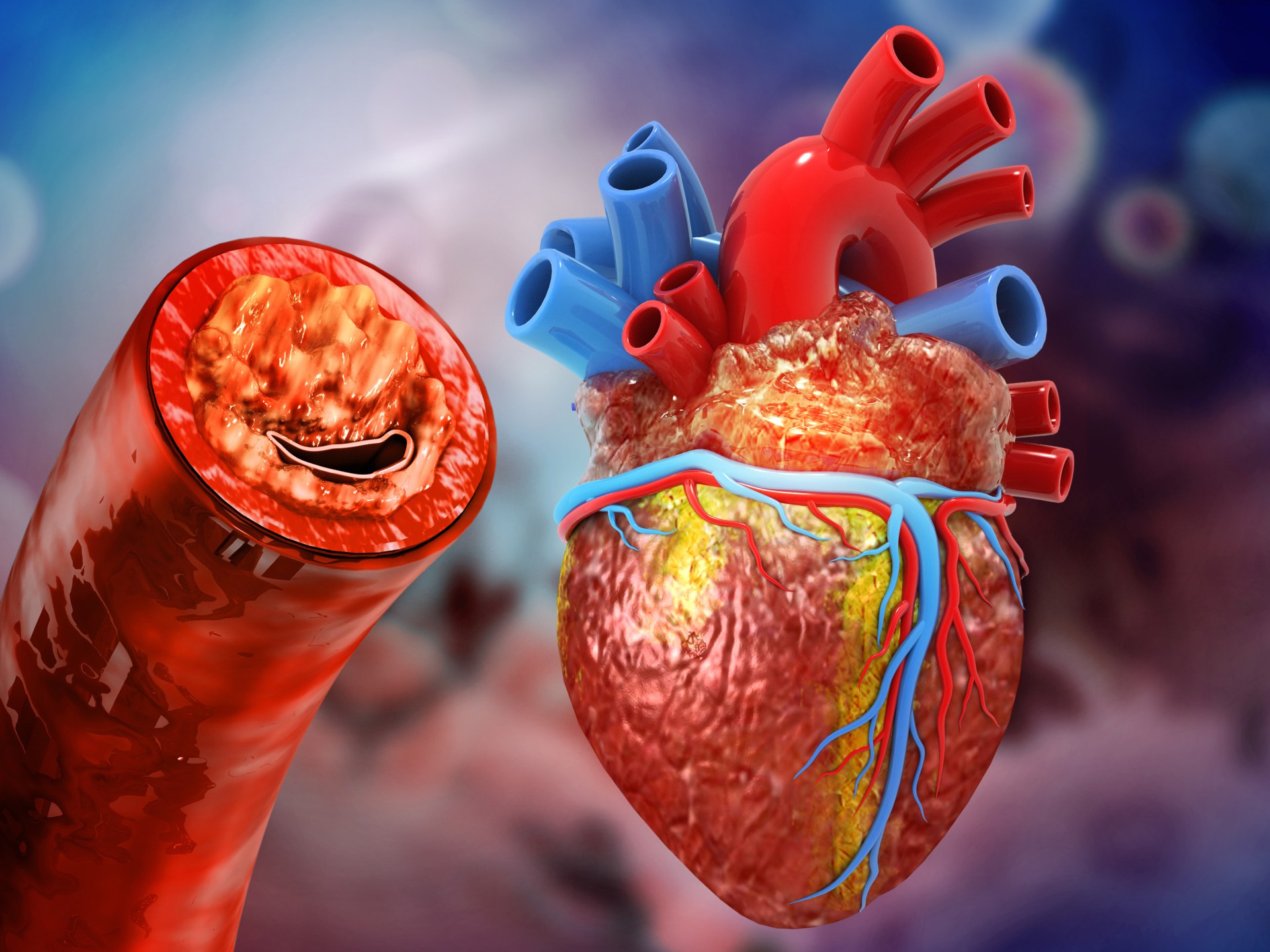
The danger lies in how LDL cholesterol behaves. Unlike other types of cholesterol, LDL can build up on the walls of arteries, forming plaque. This plaque hardens and narrows the arteries, a condition known as atherosclerosis. This narrowing restricts blood flow, leading to serious health problems.
تأثير ارتفاع الكوليسترول الضار على القلب والأوعية الدموية (The Impact of High LDL Cholesterol on the Cardiovascular System)
تعتبر أمراض القلب والأوعية الدموية السبب الرئيسي للوفاة في جميع أنحاء العالم، ويلعب ارتفاع الكوليسترول الضار دورًا رئيسيًا في تطوير هذه الأمراض. تراكم البلاك في الشرايين يمكن أن يؤدي إلى:
- النوبات القلبية (Heart Attacks): إذا انسدت الشرايين التي تغذي القلب، فقد يتسبب ذلك في نوبة قلبية.
- السكتات الدماغية (Strokes): انسداد الشرايين التي تغذي الدماغ يمكن أن يؤدي إلى السكتة الدماغية.
- مرض الشريان التاجي (Coronary Artery Disease): تضيُّق الشرايين التاجية يقلل من تدفق الدم إلى القلب، مسببًا ألمًا في الصدر وضيقًا في التنفس.
- أمراض الأوعية الدموية الطرفية (Peripheral Artery Disease): تضيُّق الشرايين في الساقين والقدمين، يسبب ألمًا عند المشي.
According to the London laboratory’s warning, even a 20% increase in LDL cholesterol represents a significant health risk, underscoring the importance of regular monitoring.
أعراض ارتفاع الكوليسترول الضار (Symptoms of High LDL Cholesterol)
للأسف، غالبًا ما لا يسبب ارتفاع الكوليسترول الضار أي أعراضًا ملحوظة في المراحل المبكرة. لهذا السبب، يطلق عليه أحيانًا “القاتل الصامت”. ولكن، مع تفاقم الحالة وتضيّق الشرايين، قد تظهر بعض الأعراض، مثل:
- ألم في الصدر (Chest Pain)
- تنميل أو ضعف في الذراعين أو الساقين (Numbness or Weakness in Arms or Legs)
- ضيق التنفس (Shortness of Breath)
- إرهاق غير عادي (Unusual Fatigue)
It’s crucial to be proactive about your health and not wait for symptoms to appear. Regular check-ups are key for detecting and managing high cholesterol levels. Keeping track of your مستوى الكوليسترول (cholesterol levels) is vital.
كيفية الوقاية من ارتفاع الكوليسترول الضار (How to Prevent High LDL Cholesterol)
Preventing high LDL cholesterol is often more effective, and less damaging, than treating it. Thankfully, there are several lifestyle changes you can implement.
- نظام غذائي صحي (Healthy Diet): Reduction of saturated and trans fats is key. Focus on fruits, vegetables, whole grains, and lean proteins. Increasing your intake of soluble fiber can also help lower LDL levels.
- النشاط البدني المنتظم (Regular Physical Activity): Aim for at least 30 minutes of moderate-intensity exercise most days of the week. Exercise helps raise HDL (good) cholesterol and lower LDL cholesterol.
- الحفاظ على وزن صحي (Maintaining a Healthy Weight): Excess weight can contribute to higher LDL cholesterol levels.
- الإقلاع عن التدخين (Quit Smoking): Smoking lowers HDL cholesterol and damages blood vessels, increasing the risk of heart disease.
- الحد من تناول الكحول (Limit Alcohol Consumption): Excessive alcohol consumption can raise cholesterol levels.
Additionally, managing stress and getting enough sleep are also important contributors to overall cardiovascular health.
فحص الكوليسترول بانتظام (Regular Cholesterol Checks)
Even with a healthy lifestyle, it’s important to have your مستوى الكوليسترول (cholesterol levels) checked regularly. The frequency of testing depends on your age, family history, and other risk factors. Generally, adults should have their cholesterol checked every 4-6 years. Individuals with a family history of heart disease or other risk factors may need to be tested more frequently. Early detection and management are vital in preventing serious health complications related to ارتفاع الكوليسترول الضار.
الخلاصة (Conclusion)
ارتفاع الكوليسترول الضار يمثل خطرًا كبيرًا على الصحة، خاصةً على صحة القلب والأوعية الدموية. من خلال فهم العوامل التي تساهم في ارتفاعه واتخاذ خطوات وقائية، يمكنك تقليل خطر الإصابة بأمراض القلب والسكتات الدماغية. تذكر أن إجراء فحوصات منتظمة للكوليسترول هو أفضل طريقة لمراقبة صحتك واتخاذ الإجراءات اللازمة إذا لزم الأمر. لا تتردد في استشارة طبيبك لمناقشة خيارات التشخيص والعلاج المناسبة لك. Prioritizing your cardiovascular health is an investment in your future wellbeing.
Disclaimer: This article is for informational purposes only and should not be considered medical advice. Always consult with a qualified healthcare professional for any health concerns or before making any decisions related to your health or treatment.