





The pursuit of العدالة المناخية (climate justice) is increasingly recognized as inseparable from addressing historical injustices, particularly the legacy of colonialism. While global discussions acknowledge the climate crisis, a critical dimension – the responsibility of former colonial powers – often remains sidelined. This article delves into the growing call for accountability, focusing on the devastating impact of colonial practices on vulnerable communities and the ongoing struggle to translate recognition of this link into concrete action. The case of the Antandroy people of Madagascar serves as a stark illustration of how past actions continue to exacerbate present-day climate vulnerabilities.
الاستعمار وتفاقم الأزمة المناخية (Colonialism and the Exacerbation of the Climate Crisis)
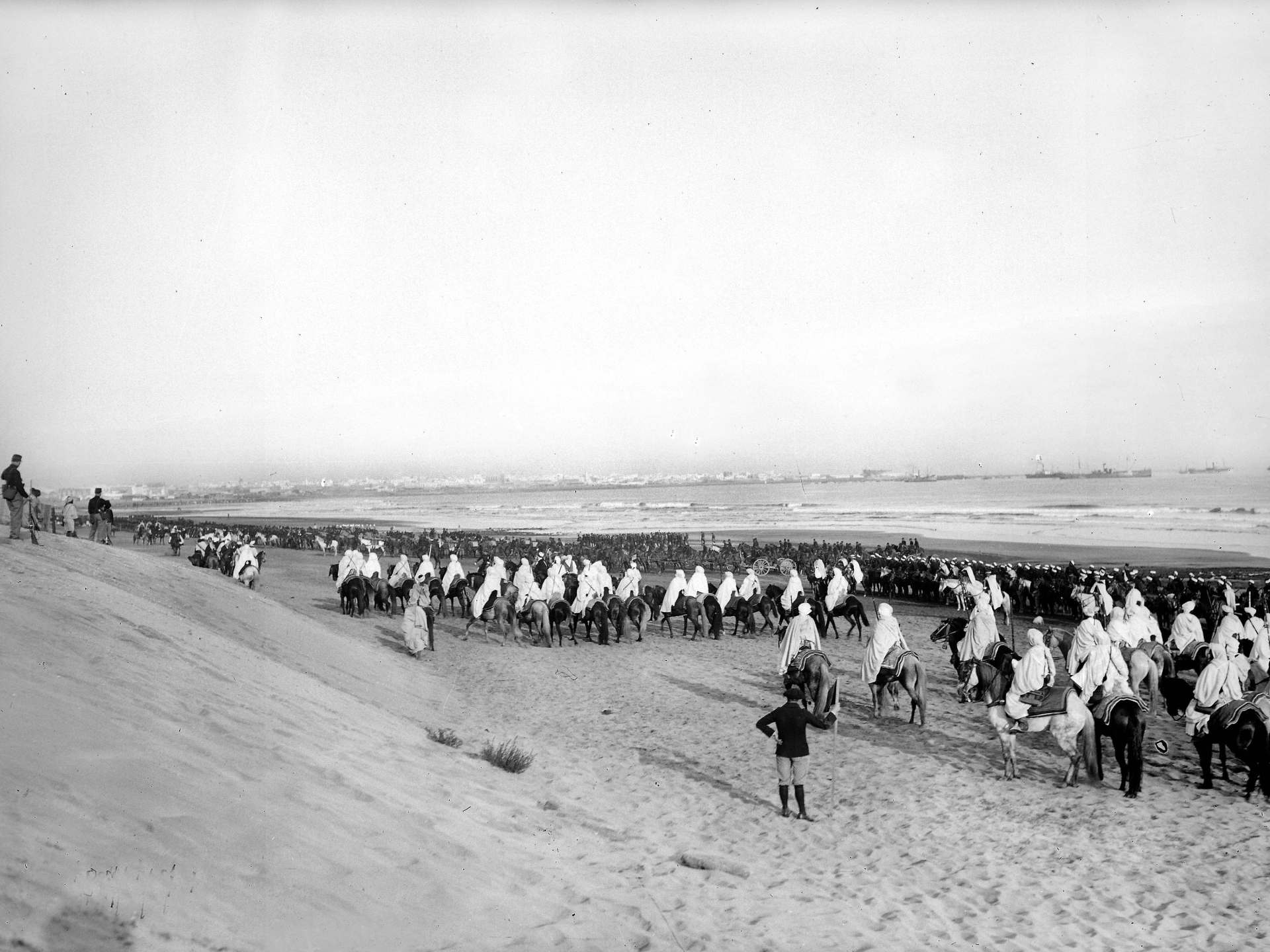
The connection between colonialism and the climate crisis isn’t merely historical; it’s a present-day reality. For centuries, colonial powers exploited resources and implemented policies in colonized territories that prioritized economic gain over environmental sustainability and the well-being of local populations. This exploitation laid the groundwork for many of the environmental challenges faced by these nations today. The industrialized nations, many of whom were former colonial powers, continue to be the largest emitters of greenhouse gases, driving the climate change that disproportionately impacts the Global South.
The report by Amnesty International highlights a particularly egregious example in Madagascar. Between 1924 and 1929, French colonial authorities deliberately destroyed approximately 40,000 hectares of drought-resistant vegetation in the Antandroy region. This was achieved through the introduction of genetically modified parasites, eliminating around 100 kilometers of vegetation annually. This act wasn’t simply environmental damage; it was a calculated disruption of a vital ecosystem that provided food and water security for the Antandroy people.
معاناة شعب الأنتاندروي: قصة من الإهمال البيئي (The Suffering of the Antandroy People: A Story of Environmental Neglect)
The destruction of the Antandroy’s natural defenses left them acutely vulnerable to the increasingly frequent and severe droughts plaguing Madagascar. The loss of this ecosystem led to food shortages, displacement, and tragically, loss of life. Today, the Antandroy continue to bear the brunt of a climate crisis they did little to create, a direct consequence of colonial-era decisions.
The situation in Madagascar isn’t unique. Across Africa and other formerly colonized regions, communities are grappling with the fallout of resource extraction, deforestation, and unsustainable agricultural practices imposed during colonial rule. These practices have degraded ecosystems, reduced biodiversity, and diminished the capacity of local populations to adapt to climate change. The concept of الأمن الغذائي (food security) is directly threatened by these historical and ongoing impacts.
اعتراف دولي محدود ومطالبات بالتعويضات (Limited International Recognition and Calls for Reparations)
While the Intergovernmental Panel on Climate Change (IPCC) acknowledged the role of colonialism in exacerbating the climate crisis in 2022, this recognition hasn’t translated into sufficient concrete commitments from the international community. The demand for التعويضات المناخية (climate reparations) is gaining momentum, particularly from nations in the Global South who argue that those historically responsible for emissions should bear the financial burden of adaptation and mitigation efforts.
In March 2023, Vanuatu, a former French and British colony, spearheaded a request to the International Court of Justice (ICJ) for an advisory opinion on the obligations of states in addressing climate change. Several African nations supported this initiative, hoping for a strong legal framework for climate action.
رأي محكمة العدل الدولية: فرصة ضائعة؟ (The ICJ Advisory Opinion: A Missed Opportunity?)
However, the ICJ’s advisory opinion, issued in July 2025, fell short of expectations. Critically, it failed to explicitly mention “colonialism” or acknowledge its contribution to the climate crisis. The opinion also avoided defining the extent of historical responsibility beyond modern environmental laws.
Despite this omission, the ICJ affirmed that states’ climate obligations extend beyond formal treaties to encompass customary international law. This means that states can be held responsible for ongoing harm resulting from past wrongful acts, regardless of when those acts occurred. However, the Court stipulated the need for a “direct and certain causal link” between the act and the harm, a condition that many legal experts believe is unrealistic in cases where the effects of colonialism are intertwined with the complexities of climate change. This requirement effectively provides a legal loophole for former colonial powers.
دور الاتحاد الأفريقي والمحكمة الأفريقية لحقوق الإنسان (The Role of the African Union and the African Court on Human and Peoples’ Rights)
Recognizing the need for a more robust approach, the African Union declared 2025 the “Year of Justice for Africans and People of African Descent through Reparations.” In this context, the African Court on Human and Peoples’ Rights is currently considering a request for an advisory opinion on the obligations of African states in relation to climate change. Crucially, this request explicitly links climate injustice to the legacy of colonialism.
This presents a historic opportunity for the African Court to affirm that العدالة المناخية (climate justice) is intrinsically linked to العدالة التعويضية (reparative justice). A strong ruling could amplify the suffering of communities like the Antandroy, whose vulnerabilities are a direct result of both colonial exploitation and contemporary environmental damage.
Furthermore, a decisive stance from the African Court could align with the African Commission on Human and Peoples’ Rights’ agenda on reparations, adopted in 2022, and encourage African nations to demand redress for the crimes of colonialism and slavery. It could even pave the way for a renewed appeal to the ICJ, urging it to reconsider its previous position and address the historical roots of the climate crisis.
This article aims to provide a comprehensive overview of the complex relationship between colonialism and climate change, highlighting the urgent need for accountability and justice for those most affected. The case of the Antandroy people serves as a powerful reminder that the climate crisis is not just an environmental issue, but a deeply rooted social and historical one. Further research and advocacy are crucial to ensure that the voices of marginalized communities are heard and that their rights are protected in the face of a changing climate.