





The situation in the Gaza Strip continues to deteriorate, with a growing humanitarian crisis unfolding despite the ceasefire agreement. The deliberate obstruction of aid deliveries by Israel, coupled with harsh winter weather, is pushing the already vulnerable population to the brink. This article delves into the complexities of the current situation, examining the accusations of violations, the potential motivations behind the aid blockade, and the future outlook for the region. The core issue remains the humanitarian crisis in Gaza, a situation demanding urgent international attention.
تفاقم الأوضاع الإنسانية في غزة مع استمرار منع المساعدات
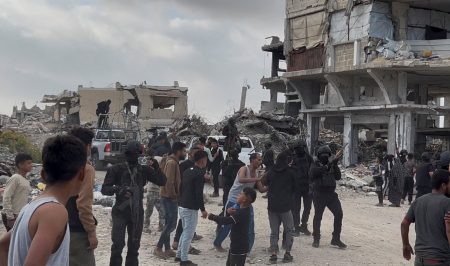
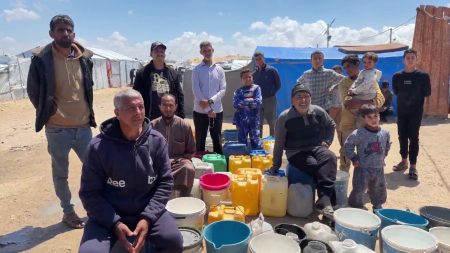
The humanitarian situation in Gaza is rapidly worsening. While a ceasefire is technically in place, reports consistently indicate that Israel is preventing the full and unimpeded access of humanitarian aid, a direct contravention of the agreement’s terms. This obstruction is occurring against the backdrop of a severe winter storm, resulting in a tragic rise in fatalities attributed to the cold and flooding. Authorities in Gaza report at least 18 deaths directly linked to the harsh weather conditions, highlighting the immediate and life-threatening consequences of the aid blockade. The lack of adequate shelter, heating, and medical supplies is exacerbating the suffering of the Gazan population.
اتهامات بانتهاك اتفاق وقف إطلاق النار واستخدام الجانب الإنساني كضغط
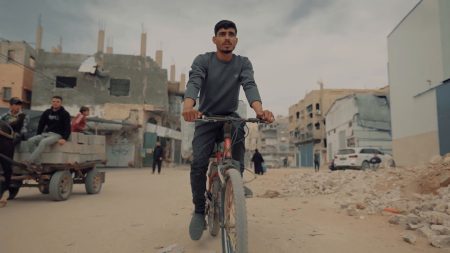
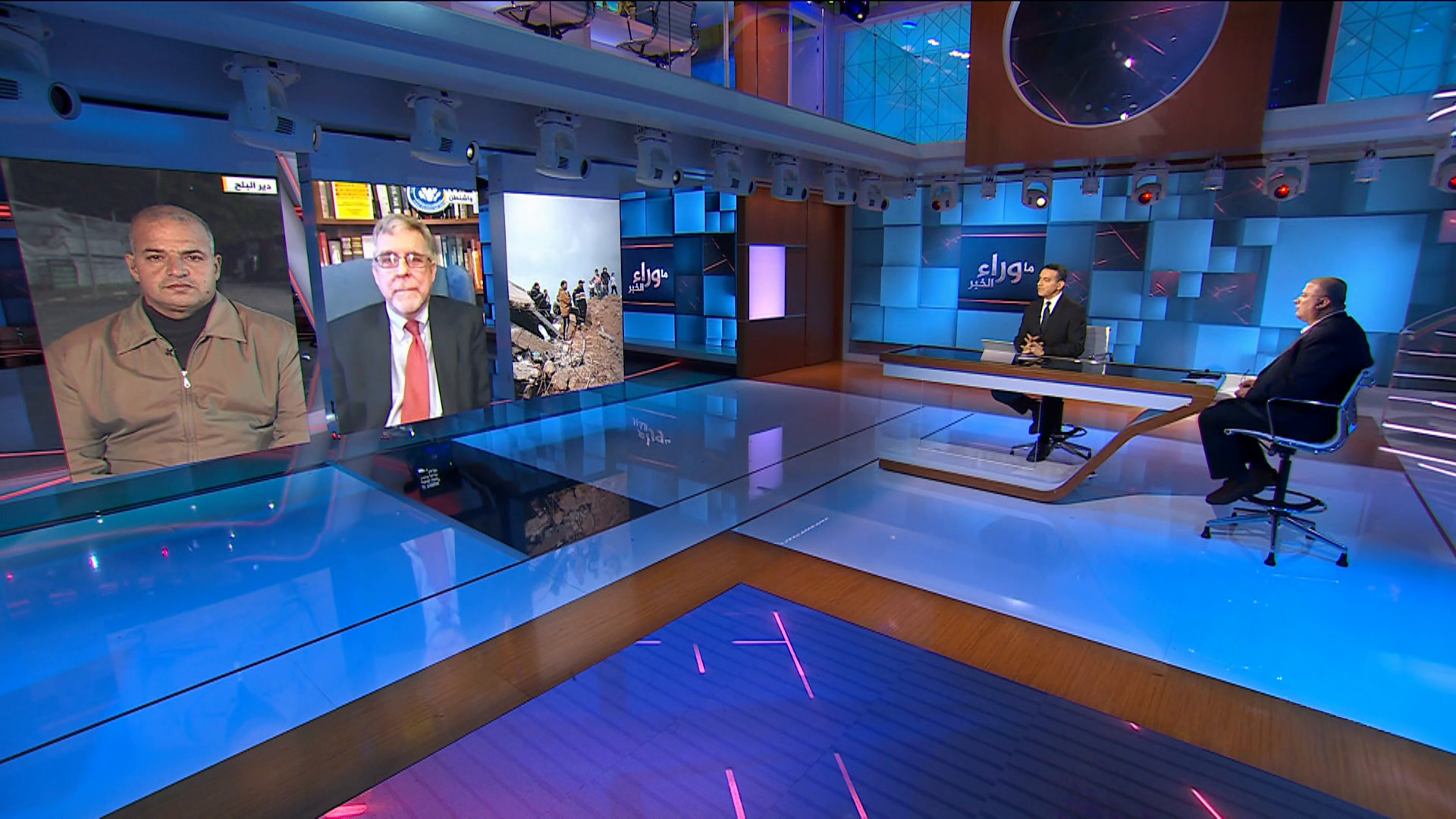
Recent statements from Hamas officials, including Ghazi Hamad, accuse Israel of systematically violating all aspects of the ceasefire agreement. These accusations center around the restriction of aid, the continued targeting of individuals, and the overall failure to alleviate the suffering of the Palestinian people. Dr. Iyad al-Qarra, a political analyst currently in Deir al-Balah, Gaza, emphasizes that the problem extends beyond simply allowing aid to enter. He points to the massive scale of destruction – 350,000 homes demolished and one million people displaced – as evidence of the fundamental needs that remain unmet.
Dr. al-Qarra further alleges that Israel is intentionally using the humanitarian situation as leverage against Palestinians, a tactic employed both before and after the October 7th attacks. This raises serious concerns about the politicization of aid and the deliberate infliction of suffering as a means of achieving political objectives. The Gaza blockade itself is a long-standing point of contention, and the current situation represents a dangerous escalation.
دوافع محتملة لمنع المساعدات وتنسيق أمريكي محتمل
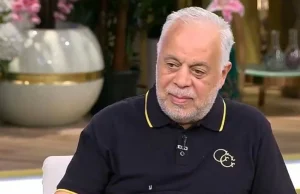
The question of why aid is being blocked is central to understanding the crisis. Researcher Adel Shadeed suggests a disturbing possibility: that the decision to allow Palestinians to suffer is being made with religious justification and popular support within Israel. He cites statements from certain rabbis framing the events in Gaza as a divine punishment.
Furthermore, Shadeed doesn’t rule out the possibility of coordination between the US administration and Israel regarding the aid restrictions. He posits that the US may be using the issue to exert pressure on mediators concerning the potential deployment of international forces in Gaza, as outlined in the proposed ceasefire plan. Additionally, the US could be seeking concessions from mediators regarding the disarmament of resistance groups and the future governance of the Strip. This potential US involvement adds another layer of complexity to the political situation in Gaza.
اغتيال رائد سعد: هل كانت بموافقة أمريكية؟
The recent assassination of Raed Saad, a leader in Hamas’s military wing, the Qassam Brigades, has also come under scrutiny. Shadeed speculates that the operation was carried out with US approval, arguing that the US administration doesn’t believe the assassination constitutes a violation of the ceasefire. He suggests that former President Trump may have faced pressure from Arab nations to investigate the incident, leading to his call for an inquiry.
Dr. James Robbins, a senior researcher at the Council on Foreign Relations, offered a different perspective, justifying the assassination as part of Israel’s legitimate counter-terrorism operations. This divergence in viewpoints underscores the deep-seated disagreements surrounding the conflict and the challenges in achieving a lasting resolution.
“الاستخدام المزدوج” للمواد: ذريعة أم حقيقة؟
Dr. Robbins also alluded to the issue of “dual-use” materials, claiming that Israel’s restrictions on certain goods entering Gaza are justified by concerns that Hamas might repurpose them for military purposes. This argument, frequently used by Israel, is met with skepticism by many who believe it serves as a pretext for maintaining control over the Strip and hindering its reconstruction. The impact of these restrictions on essential services and the overall well-being of the population is undeniable, further deepening the suffering in Gaza.
الخلاصة: دعوة للتحرك الدولي العاجل
The situation in Gaza constitutes a grave humanitarian crisis compounded by political maneuvering and accusations of ceasefire violations. The deliberate obstruction of aid is exacerbating the suffering of a population already devastated by conflict and now facing the harsh realities of winter. While differing perspectives exist regarding the motivations behind these actions, the urgent need for international intervention is clear. The world must hold Israel accountable for fulfilling its obligations under the ceasefire agreement and ensure the unimpeded delivery of life-saving assistance to the people of Gaza. Continued silence and inaction will only lead to further tragedy and undermine any prospects for a just and lasting peace. It is imperative that the international community prioritize the well-being of the Gazan people and work towards a resolution that addresses the root causes of this ongoing crisis.
Keywords: Humanitarian crisis in Gaza, Gaza blockade, political situation in Gaza, suffering in Gaza.