





The escalating tensions in the Middle East have once again brought the relationship between Hezbollah and Iran into sharp focus. Recent statements by Hezbollah Secretary-General Hassan Nasrallah, echoed by his deputy Naim Qassem, underscore the party’s unwavering commitment to the Islamic Republic, framing any threat against Iran as a direct threat to its own existence and the broader المقاومة (Resistance) movement. This article delves into Qassem’s strong condemnation of potential US aggression against Iran, Hezbollah’s stance on the matter, and the implications for regional stability.
Hezbollah’s Firm Stance on Defending Iran
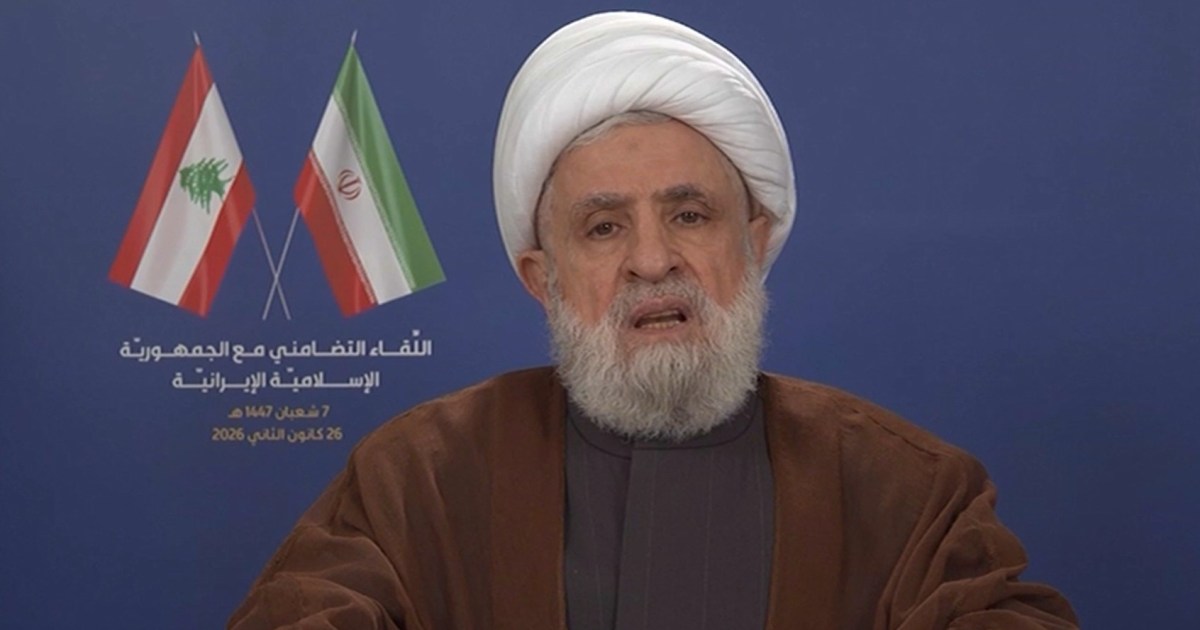
Naim Qassem unequivocally stated that Hezbollah views any American threat directed at Iran as a direct threat to itself and the Islamic Resistance. He vehemently rejected the notion that such a threat should be considered an internal Iranian affair or detached from the regional context. Qassem emphasized that the targeting of Iran represents an assault on an entire axis of resistance, a network of actors challenging Western and Israeli influence throughout the Islamic world.
This isn’t merely a political alignment; Qassem stressed that Hezbollah possesses the full authority to act in a manner it deems appropriate to counter this perceived threat. He specifically addressed the possibility of targeting Iranian leadership, including Supreme Leader Ali Khamenei, asserting that such an act would be seen as an attack on the tens of millions who share their beliefs and cannot be tolerated. This strong language signals a readiness to respond, should the situation escalate.
No Neutrality: Hezbollah’s Ideological and Political Commitment
Qassem made it clear that Hezbollah is not neutral on the issue of Iran. This position, he explained, stems from a deeply rooted ideological, doctrinal, and political conviction. The party’s commitment to the Wilayat al-Faqih (Guardianship of the Jurist) system, which provides the leadership framework for Iran, is central to this alignment. This system is considered a crucial reference point for navigating critical issues and major challenges facing the region.
Hezbollah’s unwavering support for Iran is a cornerstone of its identity and strategic outlook. This commitment isn’t simply a matter of political expediency, but a fundamental aspect of its worldview. The party believes that Iran’s strength is vital for resisting external pressures and maintaining regional balance. This perspective is often framed within the broader context of الصراع العربي الإسرائيلي (Arab-Israeli conflict), where Iran is seen as a key supporter of Palestinian resistance.
Responding to Escalation: A Measured Approach
While resolute in its defense of Iran, Qassem indicated that Hezbollah would respond to any developments or escalations “at the appropriate time and in the appropriate manner.” This response will be guided by legal and ethical responsibilities, as well as the overall public interest. He dismissed any external pressures, threats, or attempts at intimidation, signaling a determination to act independently.
This suggests a calculated approach, avoiding impulsive reactions and prioritizing a strategic response. Hezbollah is likely assessing the potential consequences of any action and coordinating with its allies to ensure a unified and effective response. The party has a history of carefully calibrating its actions to avoid triggering a wider conflict, while simultaneously demonstrating its resolve. The concept of ردع (deterrence) is central to Hezbollah’s strategy, aiming to dissuade potential adversaries from launching attacks.
Warning of Regional Instability: The Potential for a Wider War
Qassem issued a stark warning that a war on Iran could “ignite the region this time.” He argued that the scale and severity of a potential conflict would be far greater than previous confrontations. The current US and Israeli policies, characterized by aggression and the imposition of dominance through force, are not limited to targeting Iran alone. They pose a threat to the security and stability of the entire region, encompassing Palestine, Lebanon, and other nations.
This warning underscores the potential for a cascading effect, where a conflict involving Iran could quickly draw in other regional actors. The interconnectedness of the region, coupled with the presence of numerous proxy groups and the potential for miscalculation, creates a highly volatile environment. Hezbollah’s involvement in any such conflict would undoubtedly have significant repercussions for Lebanon and the broader region.
Defending Lebanon and Rejecting External Influence
Qassem reiterated Hezbollah’s commitment to defending Lebanon’s dignity, status, and territory. He firmly asserted that the Resistance has never been a burden on the nation, but rather a vital safeguard against occupation, aggression, and attempts to liquidate Palestinian rights. He highlighted the Resistance’s role in thwarting Israeli aggression and preserving Lebanon’s sovereignty and freedom of decision-making.
He also refuted accusations that Hezbollah contributes to Lebanon’s crises, blaming instead those who have relied on American-Israeli patronage and sought to undermine national strength, sow discord, and plunge the country into political, economic, and social turmoil, culminating in widespread corruption controlled by external forces. Hezbollah presents itself as a defender of Lebanon’s independence and a force against foreign interference.
The Legacy of Resistance and a Future Defined by Resolve
Qassem emphasized that the Resistance has restored Lebanon’s true independence, recalling the past four decades where Hezbollah has worked to revive Lebanon’s life, dignity, and standing. He contrasted this with previous attempts to integrate Lebanon into the Israeli entity or to compromise its territory and sovereignty. The party believes its actions have prevented such outcomes and protected Lebanon from disintegration.
In conclusion, Naim Qassem’s statements represent a clear and unwavering commitment from Hezbollah to defend Iran against any perceived threat. This commitment is rooted in ideological alignment, strategic considerations, and a shared vision of resisting external pressures. Hezbollah’s position underscores the potential for regional escalation and highlights the complex dynamics at play in the Middle East. The party remains steadfast in its resolve, emphasizing that defending its principles and allies is paramount, even in the face of adversity. The future will likely see Hezbollah continuing to play a pivotal role in shaping the region’s trajectory, guided by its commitment to المقاومة (Resistance) and its alliance with Iran.