






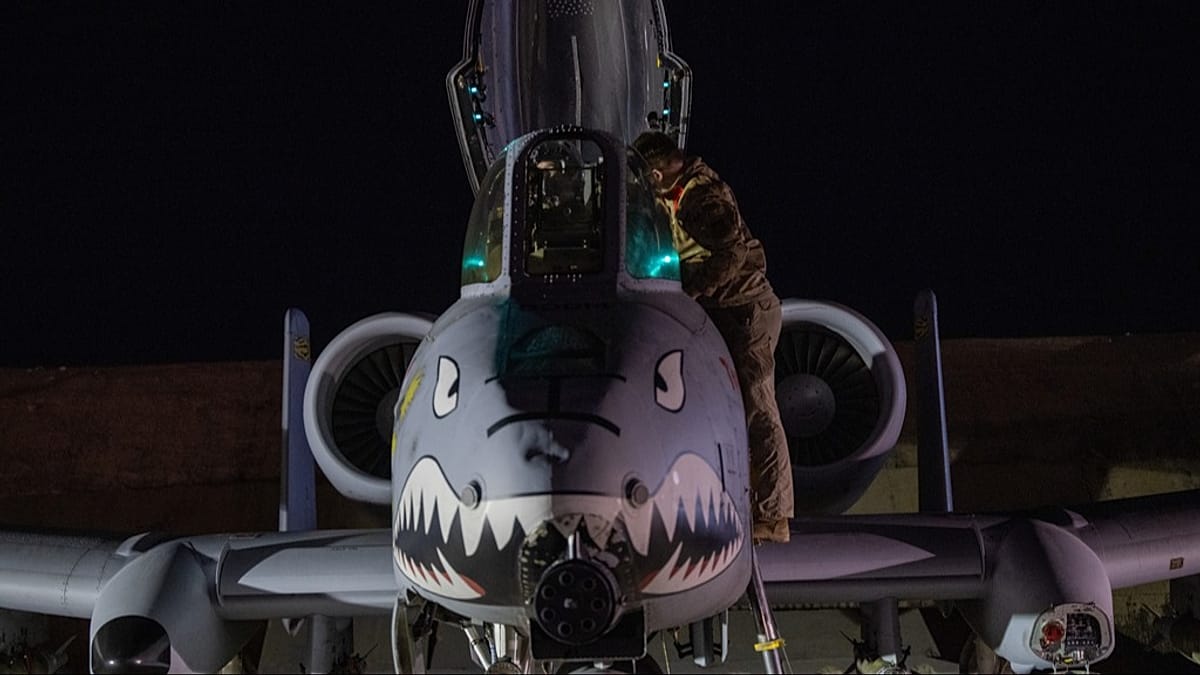
The recent escalation of military action in Syria highlights the ongoing struggle against terrorism and the complex geopolitical landscape of the region. Following a deadly attack in December, the United States launched “extensive” airstrikes targeting sites affiliated with the تنظيم الدولة الإسلامية (ISIS), signaling a firm response to the group’s continued activity. This article will delve into the details of these strikes, the international involvement, and the broader context of ISIS’s resurgence and its impact on regional stability.
الضربات الجوية الأمريكية ردًا على هجوم تدمر
The United States Central Command (CENTCOM) announced on Saturday the execution of “extensive” airstrikes against ISIS targets throughout Syria. The strikes are a direct response to the December attack in Palmyra (تدمر), which tragically claimed the lives of three Americans – two soldiers and a civilian translator. While CENTCOM has refrained from providing granular details about the specific locations targeted, they did release a blurred video showing several explosions in what appear to be rural areas. This cautious approach to information release is typical in ongoing military operations. This forceful reaction underscores the US commitment to combating الإرهاب في سوريا.
The December attack, carried out by a lone ISIS operative, was the first of its kind since President Ahmed al-Shar’a assumed power at the end of 2024, following the ousting of former President Bashar al-Assad. This timing adds a layer of sensitivity and complexity to the situation, as the new administration attempts to establish stability.
مشاركة الأردن وبريطانيا وفرنسا في الحملة
The US isn’t the only nation contributing to the efforts to neutralize ISIS. The Jordanian Armed Forces confirmed on Sunday that the Royal Air Force participated in the strikes “as part of ongoing regional and international efforts to combat terrorism.” This cooperation occurred in coordination with allies within the International Coalition, which includes Syria, aiming to degrade ISIS’s capabilities and prevent them from regaining a foothold or threatening neighboring countries.
Furthermore, the British and French defense ministries announced joint strikes against ISIS locations in Syria on January 3rd. This expanded international involvement reinforces the message that the fight against ISIS is a collective responsibility. The involvement of these key allies illustrates a concerted international effort to dismantle the terrorist organization’s network.
عملية “عين الصقر” وتاريخ تنظيم الدولة الإسلامية في سوريا
These recent airstrikes are part of “Operation Gallant Eagle” (عملية عين الصقر), launched in response to the Palmyra attack. U.S. Defense Secretary Lloyd Austin stated emphatically on social media: “We will never forget, and we will never relent,” demonstrating the unwavering resolve of the U.S. to hold ISIS accountable.
Earlier, in December, the initial wave of “Operation Gallant Eagle” strikes targeted numerous ISIS locations. The Syrian Observatory for Human Rights reported at least five ISIS fighters were killed in those raids. Understanding the history of ISIS in Syria is crucial to grasping the current situation. The organization previously controlled the city of Palmyra between 2015 and 2016 as it expanded across the Syrian desert. However, they eventually lost the city following offensive operations by the Syrian government, backed by Russia, and later by the International Coalition led by the United States, by 2019. Despite this territorial defeat, ISIS continues to operate as an insurgent group, posing a threat through sporadic attacks. This continued presence necessitates ongoing vigilance and counterterrorism operations like these strikes, highlighting the need for focused مكافحة الإرهاب.
الانتشار العسكري الأمريكي في سوريا
U.S. forces are primarily deployed in areas of northern and northeastern Syria controlled by Kurdish-led fighters, and at Al-Tanf base near the border with Jordan. The focus of the U.S. military presence remains on countering ISIS and supporting local partners. Interestingly, the Pentagon announced in April that it would halve the number of U.S. troops stationed in Syria, although the exact current number remains officially undisclosed. This drawdown, however, appears to be reconsidered in light of the recent events and the enduring threat posed by ISIS.
التداعيات المستقبلية والجهود المستمرة
The recent strikes represent a significant escalation in the response to ISIS’s activities in Syria. While aimed at degrading ISIS’s capabilities, these actions also carry the risk of further destabilizing the region and potentially inciting retaliatory attacks. The situation is further complicated by the ongoing political and economic challenges facing Syria.
The International Coalition must remain committed to a long-term strategy to counter ISIS, encompassing not only military action but also efforts to address the root causes of extremism, such as poverty, grievances, and political marginalization. Furthermore, enhancing intelligence gathering and sharing among international partners will be crucial for preventing future attacks. The need for sustained international cooperation to ensure lasting defeat of تنظيم الدولة الإسلامية cannot be overstated.
In conclusion, the recent US-led airstrikes in Syria, bolstered by the participation of Jordan, Britain, and France, demonstrate a determined response to the growing threat posed by ISIS. While these strikes are a necessary step in counterterrorism, long-term stability and the complete eradication of ISIS will require a comprehensive and sustained international effort that tackles both the immediate military challenges and the underlying factors that fuel extremism. The situation remains fluid and warrants continued monitoring and decisive action.