





The Egyptian drama series “Sahab Al-Ard” (Masters of the Land) has ignited a significant wave of attention, not just within the Arab world, but also within Israeli media circles. Even before its premiere during the Ramadan 2026 season, the show’s promotional campaign sparked reactions, primarily due to its depiction of the ongoing conflict in Gaza. This article delves into the Israeli response to “Sahab Al-Ard,” the series’ narrative, and its potential impact on public perception.
Israeli Media Scrutinizes “Sahab Al-Ard”
The Israeli media’s interest in “Sahab Al-Ard” began well before its broadcast. The Israeli Broadcasting Corporation dedicated a segment on its “Night News” program to discuss the series. Anastasia Stukanov, the channel’s Arab affairs correspondent, highlighted the show’s portrayal of the Gaza war, suggesting it deliberately avoids presenting a positive image of Israel, instead adopting what she described as a one-sided perspective.
Channel 12 in Israel took a different angle, framing the production and airing of “Sahab Al-Ard” on Egyptian state television as a calculated political move. This perspective suggests a deliberate effort by Egypt to influence public opinion regarding the conflict.
Meanwhile, the Israeli newspaper Yedioth Ahronoth focused on the cast, specifically mentioning Adam Bakri, son of filmmaker Muhammad Bakri, known for his controversial documentary “Jenin, Jenin.” The newspaper noted that Bakri is promoted in the series’ advertising as “the son of Jaffa” who has achieved success in cinema and television. Yedioth Ahronoth also predicted that tens of millions of viewers across the Arab world, and even within Israel, are expected to tune in to the series.
Egyptian Response to Israeli Criticism
The initial Egyptian response came through the “Al-Hayat” channel, which reported that the series had caused “clear concern” within Israeli media circles. The report detailed how Hebrew-language media launched attacks and campaigns against “Sahab Al-Ard,” viewing it as a “threat to Tel Aviv’s image in the global public opinion.” The Egyptian channel also pointed out the criticism leveled at Egypt’s official stance in support of the Palestinian cause, emphasizing that “Sahab Al-Ard” presents a truth that deserves to be told. This demonstrates a clear understanding of the sensitivities surrounding the series and its potential to shape narratives.
The Narrative of “Sahab Al-Ard”: A Human Story of Resilience
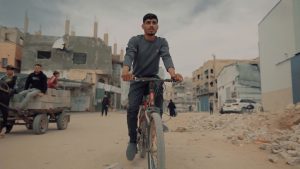
“Sahab Al-Ard” focuses on the human suffering endured by the Palestinian people under siege, particularly during the war in the Gaza Strip following the events of October 7th. The series meticulously details the realities of life under bombardment and destruction, highlighting the personal stories of individuals caught in the conflict. The drama doesn’t shy away from portraying the harsh realities of daily life, offering a raw and emotional depiction of the situation.
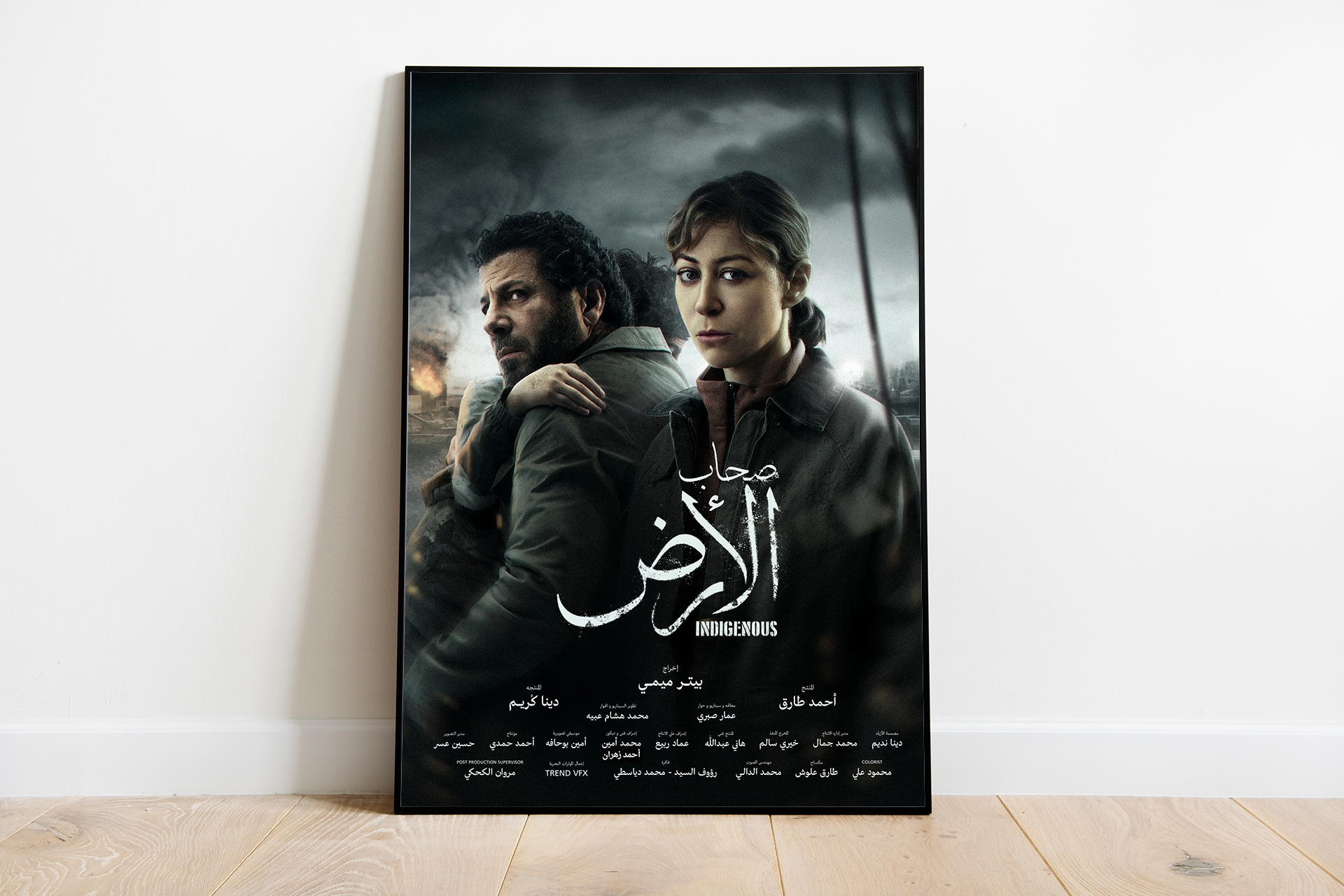
The story centers around Karama (Tara Aboud), whose life is shattered when the war separates her from her father (Iyad Nassar). Despite her father securing travel permission to the West Bank, he remains trapped within Gaza. The series powerfully illustrates the challenges of communication amidst power outages and weak internet connectivity, as Karama desperately tries to reach her father through intermittent video calls that are abruptly cut off during an airstrike. This leaves her grappling with anxiety for his safety and the responsibility of caring for her two younger sisters.
Scenes of Humanity and Courage
The first episode of “Sahab Al-Ard” featured poignant scenes showcasing both the tragedy and resilience of the people affected. One particularly moving scene depicted the rescue of Yunes, the sole survivor of the Nasser family, which resonated deeply with viewers. The series also highlights the arrival of a delegation of Egyptian doctors in Gaza and the immense challenges they faced while attempting to provide medical care to the wounded. This portrayal underscores the humanitarian efforts being made amidst the devastation.
Production and Artistic Vision
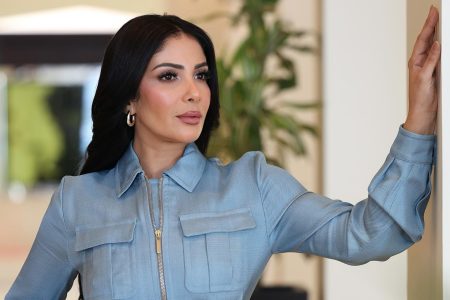
Directed by Peter Mimi and written by Ammar Sabry, “Sahab Al-Ard” boasts a stellar cast including Mona Shalaby, Iyad Nassar, Tara Aboud, Kamal El-Basha, and Adam Bakri, alongside Diana Rahma, Keira Yaghnam, and Sarah Youssef.
Following the completion of filming, actor Kamal El-Basha spoke about the profound message of the series, emphasizing that the scenes of destruction and pain stay with the actors long after leaving the set. He stressed that the story doesn’t end with the drama itself, but rather serves as a testament to the determination of the people of Gaza to continue living and persevering, highlighting the urgent need for support and solidarity. The series aims to be more than just entertainment; it’s a powerful statement about the human cost of conflict.
The Broader Implications of “Sahab Al-Ard”
The intense scrutiny from Israeli media surrounding “Sahab Al-Ard” underscores the series’ potential to influence public discourse. The show’s focus on the human impact of the Gaza conflict, coupled with its wide reach through platforms like WATCH IT and Egyptian television channels, positions it as a significant cultural and potentially political force. The series’ success will likely depend on its ability to connect with audiences on an emotional level and present a compelling narrative that resonates beyond geographical boundaries. The Egyptian drama is poised to become a talking point, sparking debate and potentially shifting perspectives on the ongoing situation. This Ramadan series is already making waves, and its impact on the Gaza conflict narrative will be closely watched.
Ultimately, “Sahab Al-Ard” represents a powerful attempt to humanize the experiences of those affected by the conflict, offering a glimpse into a reality often obscured by political rhetoric. Its reception will be a crucial indicator of the appetite for nuanced storytelling and the potential for art to bridge divides and foster understanding.