







The shift in entertainment consumption is undeniable. For years, film reigned supreme as the dominant storytelling medium. However, a quiet revolution has been unfolding, one where مسلسلات تلفزيونية (television series) are no longer simply benefiting from temporary marketing boosts on streaming platforms, but are fundamentally reshaping how we experience narrative. They’ve become the primary form of audio-visual storytelling, capturing cultural conversations, critical acclaim, and, crucially, audience loyalty in a way cinema struggles to match. While the artistic merit of film remains, its former position of cultural centrality is waning.
صعود المسلسلات: تحول بنيوي في سرد القصص (The Rise of Series: A Structural Shift in Storytelling)
This isn’t a fleeting trend; it’s a structural change. The dominance of مسلسلات تلفزيونية isn’t just about accessibility through platforms like Netflix, but about a deeper alignment with contemporary viewing habits and expectations. The way we relate to time, attention spans, and characters has evolved, and series seem to cater to this new reality more effectively than traditional films. The question naturally arises: has Netflix truly changed everything? Is the success of series solely attributable to platform-driven marketing and curated choices, or do they genuinely resonate with a changing narrative appetite?
الذائقة السردية المتغيرة للمشاهد (The Changing Narrative Taste of the Viewer)
How has the viewer’s narrative taste changed? The answer lies in a combination of factors. Modern life is fragmented, demanding entertainment that can be consumed in smaller doses, or revisited over extended periods. Series offer a sustained engagement that films, with their defined beginnings and ends, often lack. Furthermore, audiences are increasingly drawn to complex character development and intricate plotlines that unfold gradually.
The numbers speak volumes. Global spending on television series surpassed $243 billion USD in 2023, dwarfing the approximately $85 billion USD spent on the production and distribution of cinematic films worldwide. While cinema box office revenues have partially recovered post-pandemic, reaching $33.9 billion USD globally in 2023 (according to O’Gara Street Analytics), they still fall significantly short of the 2019 peak of $42.3 billion USD.
أرقام ودلالات: هيمنة البث المباشر (Figures and Implications: The Dominance of Streaming)
Nielsen’s “The Gauge” report for 2024 confirms this shift, revealing that streaming now accounts for 38.4% of total television viewing time in the United States, surpassing traditional broadcast and cable combined. Remarkably, over 75% of the most-watched content on streaming platforms is dramatic مسلسلات تلفزيونية, not films. These figures don’t just reflect a change; they indicate a format better suited to the rhythms of modern viewing and a narrative structure that rewards sustained attention.
الزمن في خدمة القصة: الفرق بين الفيلم والمسلسل (Time Serving the Story: The Difference Between Film and Series)
The strength of classic cinema lay in its concision. Films like “The Godfather” (1972) or “Taxi Driver” (1976) delivered profound psychological transformations within a two or three-hour timeframe, relying on dramatic escalation. Series, conversely, prioritize accumulation over condensation. The narrative arc can span days, weeks, or even years.
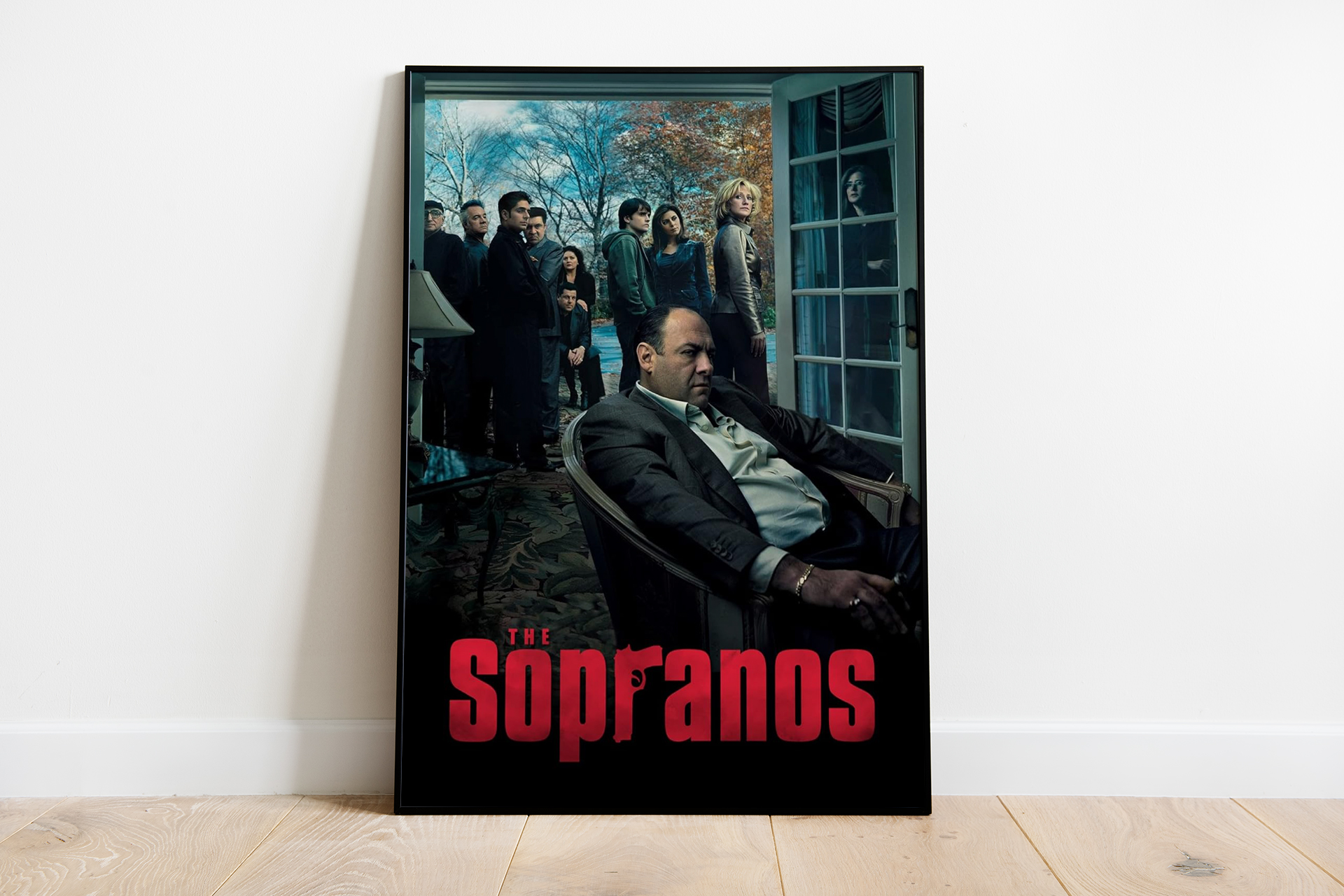
David Chase, creator of “The Sopranos” (1999), famously articulated this shift: “Television gave me time. It allows characters to contradict themselves without explanation.” This temporal flexibility allows series to trade plot momentum for behavioral depth. A series like “Mad Men” (2007) could dedicate entire episodes to character development without significant plot advancements, relying on subtle shifts in posture, language, and silence – elements a film often struggles to explore at length. This reintroduces the concept of time as a crucial element in storytelling, a concept previously championed by film theorist André Bazin. Films resolve, while series observe.
صداقة مع الشاشة: الاستثمار العاطفي طويل الأمد (Friendship with the Screen: Long-Term Emotional Investment)
One of the key advantages of a series is its economy of characters. Films typically demand a rapid emotional investment from the audience, followed by an equally swift disengagement. Series, however, distribute this emotional investment over years, allowing characters to become deeply ingrained in the viewer’s consciousness.
Vince Gilligan, creator of “Breaking Bad” (2008), aptly described this dynamic: “In a series, you don’t have to earn the audience’s sympathy all at once. You let them live with the character long enough to make judging them complicated.” The transformation of Walter White in “Breaking Bad” would have been impossible to achieve convincingly within the confines of a two-hour film. Instead, over 62 episodes, it became a gradual moral erosion, a lived experience rather than a plot twist. This prolonged interaction alters the audience’s relationship with narrative authority, shifting loyalty from the outcome to the ongoing presence.
التقارب الجمالي ومستقبل السرد (Aesthetic Convergence and the Future of Narrative)
The rise of series in the late 2000s coincided with the adoption of cinematic techniques – single-camera shooting, atmospheric soundtracks, and muted color palettes. The 2014 series “True Detective” was even explicitly described by critics as an “eight-hour film.”
However, this convergence masks a fundamental difference. Alfonso Cuarón, director of “Roma” (2018), cautioned against blurring these distinctions, stating, “Cinema isn’t just a long television series; it’s a different relationship with time, space, and the ending.” While series borrow from cinema’s visual language, they rarely embrace its most radical formal requirements – definitive endings. All series, long or short, leave narrative doors open, paving the way for sequels and further installments.
Ultimately, the decline of cinema’s dominance isn’t a failure of art, but a failure of adaptation. Films remain the most effective medium for formal experimentation, visual extravagance, and unique artistic vision. Directors like Christopher Nolan, Claire Denis, and Apichatpong Weerasethakul continue to push the boundaries of cinematic expression. But in a world increasingly defined by fragmented attention and a desire for sustained engagement, مسلسلات تلفزيونية have found a new and powerful resonance. They don’t just tell stories; they create worlds we can inhabit, characters we can befriend, and experiences that linger long after the credits roll.