







Kuwait to Sign $4 Billion Deal with China to Complete Mubarak Al-Kabeer Port
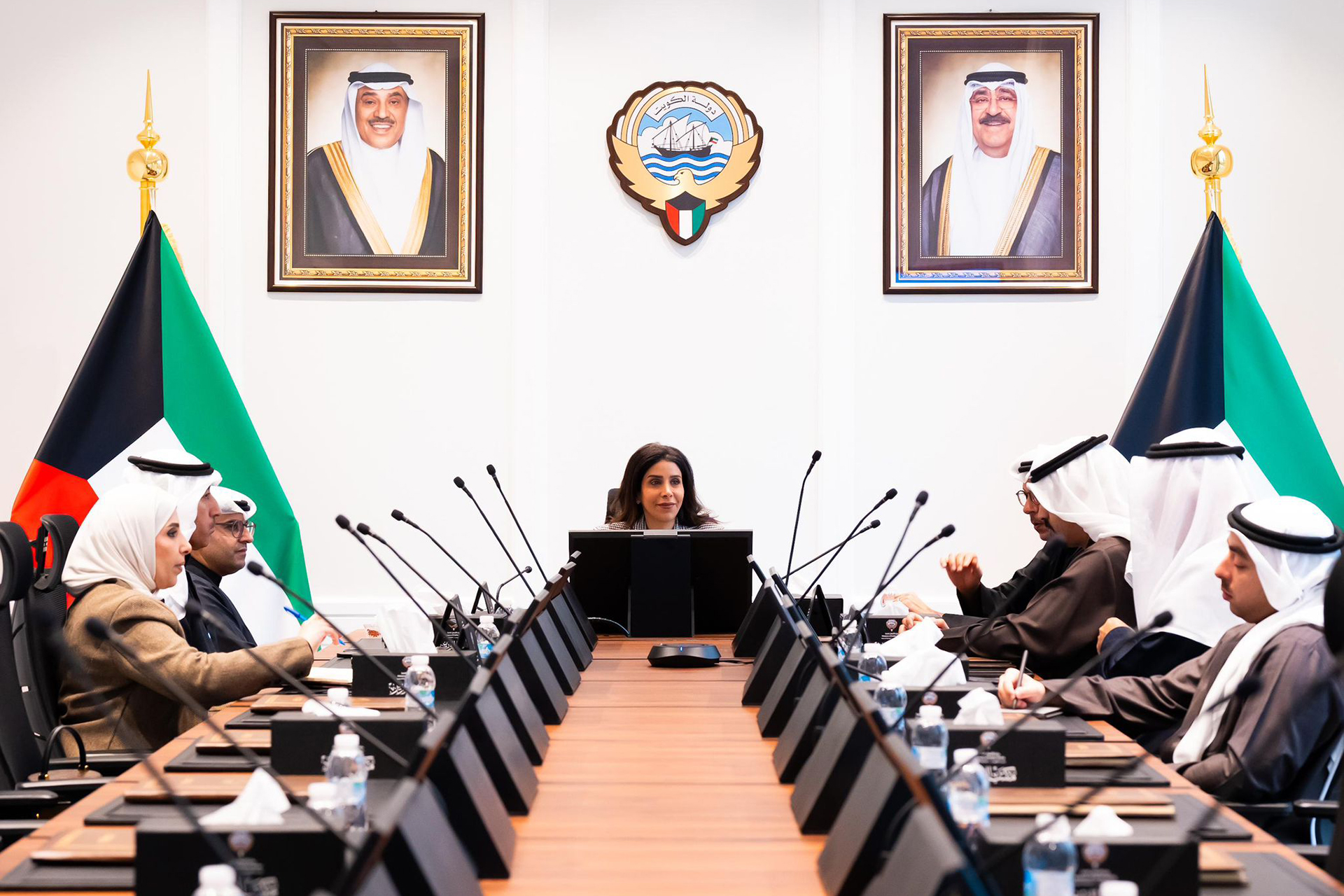
Kuwait is poised to finalize a significant agreement with China for the completion of the strategically vital Mubarak Al-Kabeer Port project. This development, announced by Kuwait’s Minister of Public Works, Noura Al-Mashaan, signifies a major step towards bolstering Kuwait’s regional trade ambitions and solidifying its economic ties with China. The contract, valued at 1.219 billion Kuwaiti Dinars (approximately $3.97 billion), will be signed next week, marking a crucial milestone in the port’s development.
Details of the Landmark Agreement
The Central Tenders Committee approved the direct contract with China State Construction and Engineering Corporation (CSCEC), a state-owned Chinese enterprise under the Ministry of Transport, on December 1st. This approval paves the way for CSCEC to undertake the engineering, procurement, and construction (EPC) work for the first phase of Mubarak Al-Kabeer Port. The agreement represents a direct contract, bypassing traditional tendering processes, a decision reflecting the strategic importance of the project and the strong relationship between Kuwait and China.
Project Scope and Timeline
While details regarding the specific scope of the first phase remain somewhat limited, Kuwait has reported completing 50% of this initial stage. The completion of the remaining work, now entrusted to CSCEC, is expected to significantly contribute to the port’s overall functionality and capacity. The project aims to establish a secure regional corridor and a prominent commercial hub, aligning with China’s Belt and Road Initiative (BRI). This initiative seeks to enhance connectivity and cooperation across Asia, Africa, and Europe.
Strategic Importance of Mubarak Al-Kabeer Port
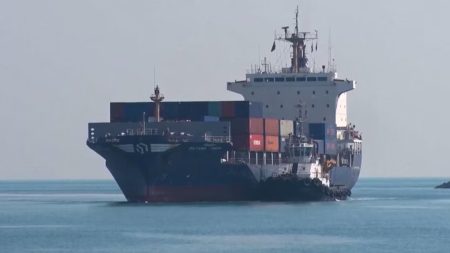
Mubarak Al-Kabeer Port, located on Bubiyan Island in northern Kuwait, is considered a cornerstone of Kuwait’s economic diversification strategy. The port is envisioned to revitalize Kuwait’s historical role as a regional trade and financial center. By increasing trade volume and attracting foreign investment, the project is projected to substantially boost Kuwait’s Gross Domestic Product (GDP).
Connecting to the Belt and Road Initiative
China views Mubarak Al-Kabeer Port as a key component of its ambitious Belt and Road Initiative. Integrating the port into this network will facilitate smoother trade routes between East and West, enhancing Kuwait’s position as a vital transit point. This connection is expected to attract further Chinese investment and expertise, fostering long-term economic collaboration. The BRI is a significant driver of infrastructure development across the region, and Kuwait’s participation demonstrates its commitment to regional economic integration.
Government Support and Future Prospects
The Kuwaiti government has demonstrated strong support for the project, with Prime Minister Sheikh Ahmed Al-Abdullah Al-Ahmed Al-Sabah scheduled to attend the contract signing ceremony alongside senior CSCEC officials. This high-level attendance underscores the importance the government places on the successful completion of Mubarak Al-Kabeer Port.
Memorandums of Understanding and Prior Agreements
Kuwait and China signed several Memorandums of Understanding (MoUs) in 2023, focusing on collaborative projects, with Mubarak Al-Kabeer Port being a central focus. These agreements were established during the visit of Sheikh Mishal Al-Ahmed Al-Jaber Al-Sabah, then Crown Prince, to Beijing. The subsequent ascension of Sheikh Mishal to Emir in December 2023 further solidified the commitment to these partnerships. The direct contracting approach, approved in January 2023, streamlined the process and expedited the project’s progress. Port development in Kuwait is a key priority for the nation.
Looking Ahead: Economic Diversification and Regional Trade
The completion of Mubarak Al-Kabeer Port is expected to have a transformative impact on Kuwait’s economy. Beyond increasing GDP and attracting investment, the port will create numerous employment opportunities and stimulate growth in related sectors, such as logistics and transportation. Furthermore, the project will enhance Kuwait’s competitiveness in the regional trade landscape, positioning it as a key player in global commerce. The successful implementation of this project will be a testament to the strong bilateral relationship between Kuwait and China and a significant step towards achieving Kuwait’s Vision 2035, a national development plan focused on economic diversification and sustainable growth. Infrastructure projects like this are vital for Kuwait’s future.
This agreement represents a significant investment in Kuwait’s future, and its successful completion will undoubtedly contribute to the nation’s economic prosperity and regional influence. The collaboration with China on this ambitious project highlights the growing importance of international partnerships in driving economic development and fostering regional stability.