






The international oil market is closely watching recent developments in Venezuela, spurred by a surprising turn of events orchestrated by the United States. Following the detention of Venezuelan President Nicolás Maduro and his wife, a flurry of activity has seen US President Donald Trump courting major global oil companies to invest in Venezuela’s vast, yet largely untapped, crude oil reserves. This move, potentially reshaping the energy landscape, has been met with cautious optimism and voiced concerns from within the industry itself. The central theme revolves around the Venezuela oil reserves and the future of their exploitation.
Trump’s Push for Venezuelan Oil & Initial Reactions
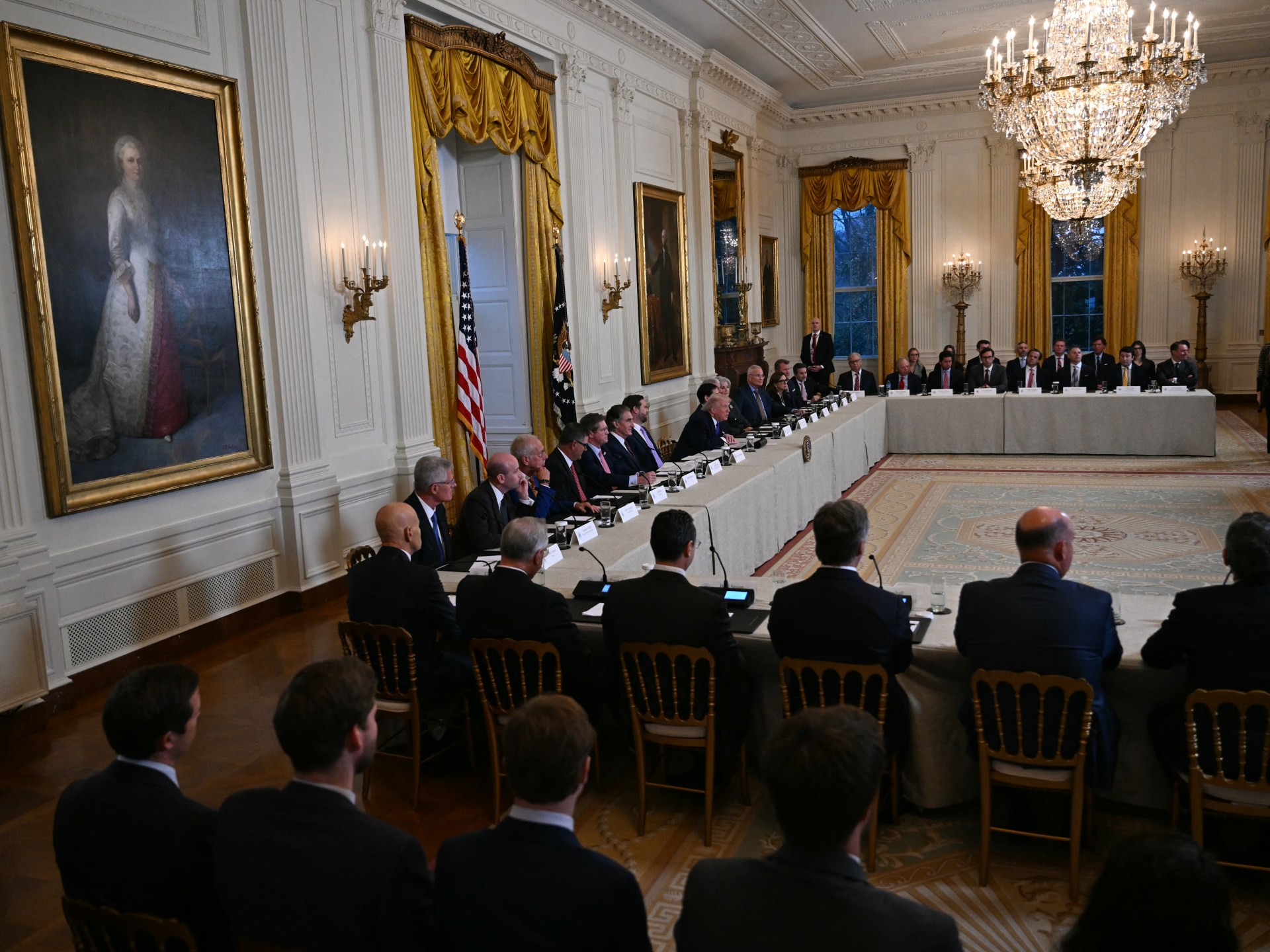
Donald Trump convened a meeting with CEOs of prominent oil companies, including American giants ExxonMobil and Chevron, alongside representatives from Italy’s Eni and Spain’s Repsol. The message was clear: Venezuela’s oil wealth is open for business, with Trump promising “complete safety” for operations. He explicitly stated that any deals would be brokered directly with the US government, bypassing Caracas entirely. The proposed investment is ambitious, with Trump estimating a minimum of $100 billion.
However, initial responses from the oil companies reveal a more nuanced perspective. Darren Woods, CEO of ExxonMobil, expressed hesitation, referencing the past nationalization of assets under Hugo Chávez. “We had our assets expropriated twice there,” Woods reportedly said during the meeting, outlining that a return to Venezuela would require “fundamental changes” to the legal and commercial framework. This highlights a key concern: the perceived risk associated with operating in a country historically prone to political instability and policy shifts.
The Scale of Venezuela’s Oil Potential
Venezuela holds the world’s largest proven oil reserves, surpassing even Saudi Arabia and Iran, estimated at over 300 billion barrels. Despite this massive potential, current production languishes around 1 million barrels per day, a stark contrast to its historical peak. Several factors contribute to this underperformance: decades of underinvestment, US sanctions implemented during Trump’s first term, and the technical challenges of processing the country’s heavy crude oil.
Challenges in Extracting and Refining Venezuelan Crude
Venezuelan crude is known for being particularly viscous, demanding complex and costly refining processes. Modernizing existing infrastructure to handle this type of oil would require substantial capital expenditure, estimated in the tens of billions of dollars. Furthermore, the political uncertainty casts a long shadow over long-term investment decisions. Companies are understandably wary of committing vast sums of money without firm guarantees regarding contract stability and profit repatriation. These are essential considerations when evaluating the viability of unlocking Venezuela’s energy potential.
Despite holding roughly 20% of global oil reserves, Venezuela currently accounts for only 1% of global oil production in 2024. This discrepancy underscores the urgent need for investment and improved operational efficiency.
Diplomatic Initiatives and International Response
While Trump focuses on securing oil investments, a parallel diplomatic track is unfolding. Delfina Rodríguez, Venezuela’s acting president following Maduro’s detention, announced that the country intends to address the “US aggression” through diplomatic channels and aims to re-establish relations with Washington. Both Venezuela and the US have signaled a desire for renewed diplomatic ties, potentially paving the way for a more stable operating environment for oil companies.
Rodríguez engaged in discussions with the leaders of Brazil, Colombia, and Spain, condemning the detention of Maduro as an “attack” and reaffirming Venezuela’s commitment to a diplomatic solution. The involvement of Qatar as a mediator is also notable; Qatar has previously played a central role in facilitating dialogue between Venezuela and the US and has offered its services once again. The country’s willingness to contribute to “an agenda of dialogue” between the two nations based on respect for international law is a positive sign.
The Price of Fuel and US Domestic Policy
Trump’s focus on Venezuelan oil is fundamentally tied to his domestic political agenda, specifically his ambition to lower fuel prices in the United States. Accessing Venezuela’s vast oil reserves represents a potential avenue for increasing global oil supply, which could theoretically exert downward pressure on prices. Lower fuel prices are often seen as a win for consumers and a boost for the economy, making it a key talking point during election cycles.
Looking Ahead: A Cautious Path Forward
The situation surrounding Venezuelan oil remains volatile and complex. While the Trump administration is aggressively pursuing investment opportunities, the oil companies themselves are adopting a cautious approach, demanding significant reforms and guarantees before committing substantial capital. The success of this endeavor hinges on several factors: the stability of the interim Venezuelan government, the willingness of the US to provide robust political and financial backing, and the ability to address the technical challenges associated with extracting and refining Venezuelan crude.
Ultimately, realizing the full potential of Venezuela’s oil wealth will require a delicate balance of economic incentives, political maneuvering, and a long-term commitment to infrastructure development. The world will be watching closely to see if Trump’s gambit will succeed in unlocking these substantial reserves and reshaping the global energy landscape.