








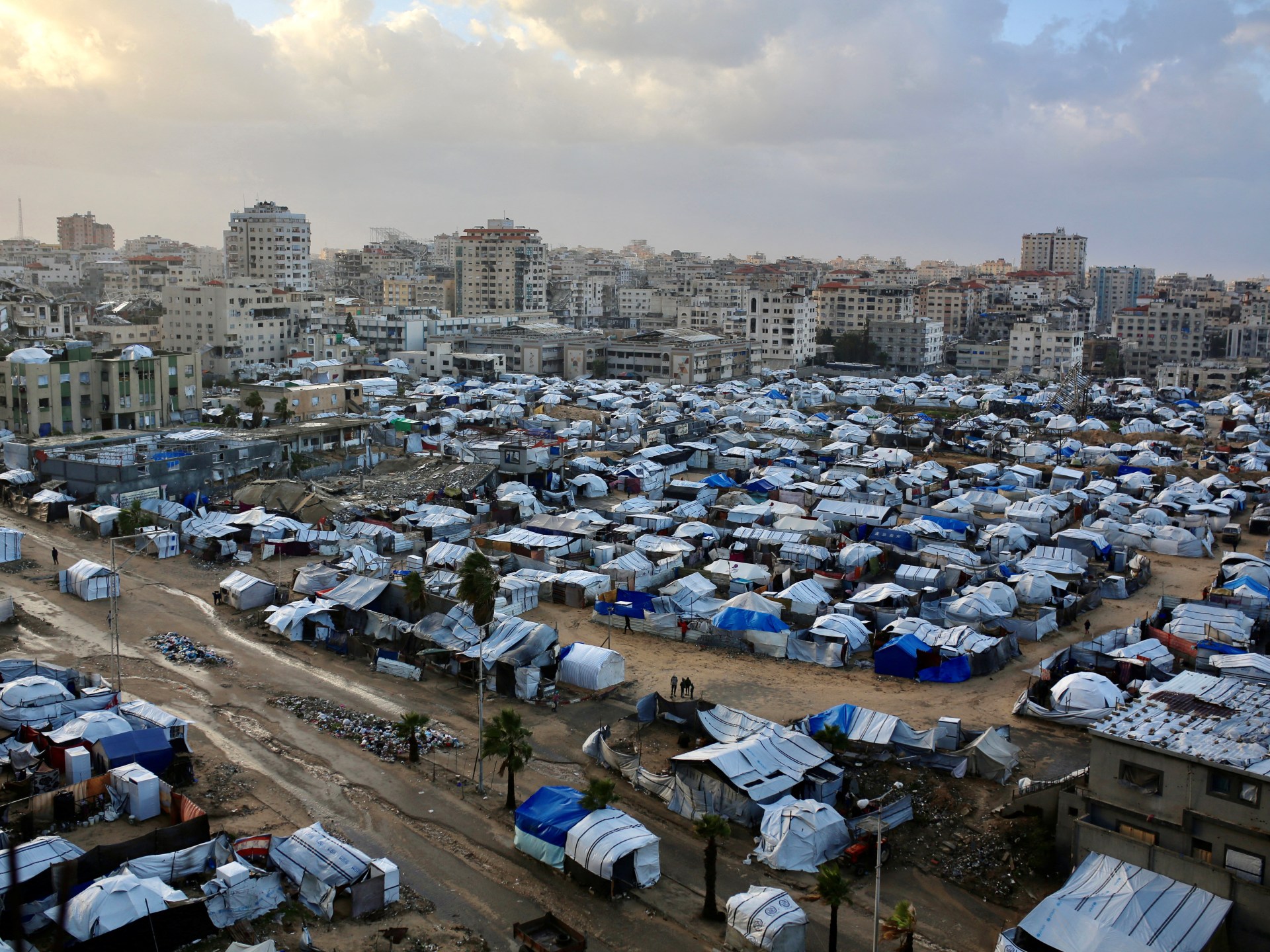
The year 2025 has concluded, leaving behind a stark and devastating picture of the situation in the Gaza Strip. The ongoing repercussions of the Israeli war have inflicted catastrophic damage, with initial assessments indicating direct losses exceeding $33 billion across 15 vital sectors. This article delves into the extent of these losses, as detailed in the Gaza government’s annual report, highlighting the immense human and economic toll of the conflict. The scale of destruction in Gaza is unprecedented, impacting every facet of life for its residents.
The Crippling Impact on Gaza’s Economy in 2025
The Gaza government’s media office released a comprehensive annual report detailing the severe economic consequences faced by the region throughout 2025. The report attributes these losses to what it termed a “genocide” against the Palestinian people, starkly illustrating the immense scale of the devastation and the desperate need for international attention and aid. The figures reveal a systematic dismantling of Gaza’s productive capabilities, hindering its ability to recover and rebuild.
Devastation of Gaza’s Agricultural Sector
Perhaps one of the hardest-hit sectors has been agriculture. Vital farmlands, representing a significant source of livelihood for many Gazans, have been decimated. Over 80% of the 178,000 dunums of agricultural land have been rendered unusable, dramatically reducing food security within the strip.
Specific Agricultural Losses
The decrease in cultivated areas is particularly alarming, with vegetable farming plummeting from 93,000 dunums to a mere 4,000 dunums. Furthermore, nearly 1,000 agricultural wells and 500 livestock farms – raising cattle, sheep, poultry – have been completely destroyed. Complete destruction of the fishing industry in Gaza has also exacerbated the food crisis. The loss of these resources pushes Gaza further into dependence on dwindling external aid.
Infrastructure and Essential Services in Ruins
Beyond agriculture, the basic infrastructure crucial for daily life has suffered immense damage. The report acknowledges the destruction of over 700 water wells, 3,080 kilometers of electricity networks, 400,000 linear meters of water networks, and an equal amount of sewage networks. The impact on public health and sanitation is obvious and profound.
Furthermore, over 2 million linear meters of roads have been destroyed, disrupting transportation and hindering access to essential services. The deliberate targeting of civilian infrastructure extends to 150 government buildings and 250 sports and cultural facilities. The destruction doesn’t stop there—208 historical and archaeological sites have been deliberately targeted, erasing cultural heritage.
The Sheer Scale of Explosive Force
The intensity of the conflict is further emphasized by the sheer volume of explosives used. The Israeli army reportedly dropped over 112,000 tons of explosives on the Gaza Strip during 2025 alone. This has resulted in the destruction of approximately 90% of the built environment, and military control over 55% of the area. The long-term implications for unexploded ordnance and environmental contamination are incredibly concerning. The continuous bombardment and widespread Gaza reconstruction challenges add layers of complexity to the recovery process.
Healthcare and Education Under Attack
The healthcare system is on the brink of collapse, with 22 hospitals rendered inoperable during the year. Ambulances have also faced constant danger, with 211 attacked, leading to the destruction of 23 civil defense vehicles. The capacity to provide even basic medical care has been severely compromised.
The educational sector is similarly devastated. 30 schools have been entirely destroyed, and another 39 partially damaged. Around 95% of schools across the Gaza Strip have sustained damage, disrupting the education of an entire generation. Tragically, over 1,000 students, 88 teachers, and 45 academics and researchers have lost their lives.
Religious Sites and Housing – No Place Spared
Religious sites haven’t been spared either; 34 mosques were completely obliterated, and another 100 suffered partial damage. Three churches were repeatedly targeted, and 21 cemeteries were destroyed out of a total of 60.
The impact on housing is perhaps the most visible manifestation of the crisis. 106,400 residential units have been completely destroyed, 66,000 are severely damaged and uninhabitable, and 41,000 have sustained partial damage. This has led to the displacement of over 213,000 families and forced approximately two million people to seek refuge elsewhere. Even the shelters designated for internally displaced persons haven’t been safe, with 87 centers being directly targeted.
Ongoing Truce Violations and Long-Term Consequences
Despite the implementation of a ceasefire on October 10th, 2023, the report highlights persistent Israeli violations, resulting in the deaths of 415 Palestinians and injuries to 1,152 others. These continued hostilities undermine any hope for stabilization and perpetuate the cycle of violence.
Since October 8th, 2023, the devastating war on Gaza has raged for approximately two years, resulting in over 71,000 fatalities and 171,000 injuries. The United Nations estimates the cost of rebuilding Gaza at around $70 billion, a monumental task that will require sustained international commitment. The humanitarian crisis in Gaza continues to worsen, requiring immediate and large-scale intervention.
In conclusion, the figures released by the Gaza government paint a grim picture. The sheer scale of the destruction in Gaza, encompassing every sector from agriculture and infrastructure to healthcare and education, is a testament to the immense suffering endured by its population. Addressing the urgent needs of the people and initiating a comprehensive reconstruction plan are paramount, requiring unwavering global solidarity and a renewed commitment to achieving a just and lasting peace. We must continue to share information and raise awareness about the ongoing situation in Gaza to ensure that the world does not turn a blind eye to this humanitarian catastrophe.