







The global cocoa market is currently experiencing significant turbulence, with prices fluctuating and impacting the entire supply chain. This is particularly relevant as we approach 2026, with forecasts suggesting continued volatility and potential repercussions for chocolate consumers. Recent interventions by the Ivorian government, the world’s largest cocoa producer, highlight the urgency of the situation and the need to support farmers amidst declining prices. This article delves into the factors driving these changes, the government’s response, and the potential future of the cocoa market.
تراجع أسعار الكاكاو وتأثيره على كوت ديفوار والعالم (Declining Cocoa Prices and its Impact on Côte d’Ivoire and the World)
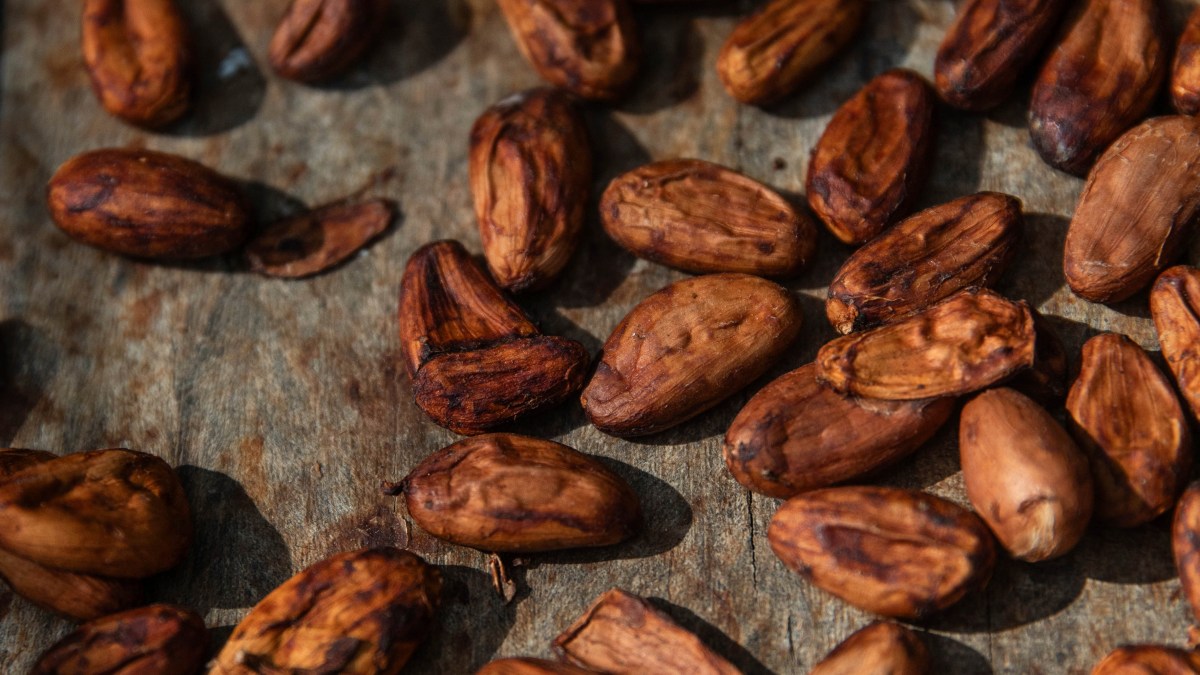
The sharp decline in global cocoa futures since October 2025, following record highs in 2024, has created a challenging environment for producers, especially in Côte d’Ivoire. This downturn is largely attributed to a combination of factors, including improved weather conditions in key growing regions, leading to increased yields, and a slowdown in industrial demand for cocoa grinding. The resulting surplus of cocoa beans has led to a build-up of inventory at both the farm and cooperative levels.
Estimates suggest a surplus of hundreds of thousands of tons, with some reports indicating as much as 700,000 tons of unpaid-for cocoa. Major international buyers, having secured contracts at higher prices in 2024, are now hesitant to purchase the remaining quantities at the current, lower rates. This hesitancy has created a bottleneck in the export process and delayed payments to farmers, impacting their livelihoods and the overall economic stability of the region.
خطة حكومة كوت ديفوار الطارئة لدعم المزارعين (Côte d’Ivoire Government’s Emergency Plan to Support Farmers)
Recognizing the severity of the situation, the Ivorian government, through the Coffee and Cocoa Council (CCC), has announced an emergency plan to purchase a portion of the unsold cocoa bean stocks. This intervention, the largest of its kind in years, aims to provide farmers with fair compensation for their harvests and prevent further disruptions to the export chain.
Minister of Agriculture Kobinan Kouassi Adjoumani stated that the government intends to purchase around 100,000 tons of the surplus. The cocoa will be collected in the coming days at a guaranteed seasonal price, established through a pre-approved pricing mechanism designed to shield producers from international price fluctuations. This proactive approach is crucial for maintaining farmer confidence and ensuring the sustainability of cocoa production in Côte d’Ivoire. The government is also working to streamline export procedures to alleviate congestion at major ports like San Pedro and Abidjan.
أهمية قطاع الكاكاو للاقتصاد الإيفواري (The Importance of the Cocoa Sector to the Ivorian Economy)
The cocoa sector is a cornerstone of the Ivorian economy, contributing approximately 14% to the national GDP. It provides direct or indirect employment to millions of families, making it a vital source of income and livelihood. Therefore, any significant shock to the cocoa market has far-reaching consequences for the country’s economic health and social stability. The current price decline underscores the vulnerability of the Ivorian economy to global commodity price swings and the importance of diversification efforts.
توازن العرض والطلب وتوقعات المستقبل (Supply and Demand Balance and Future Outlook)
Côte d’Ivoire, along with Ghana, supplies over half of the world’s cocoa. However, the market is currently characterized by a delicate balance between ample supply from the current season and uncertainty surrounding industrial demand. While some regions, like South America, are expected to see improved yields, analysts caution that continued weakness in industrial demand and the accumulation of stocks in producing countries could keep prices low or volatile in the coming months.
This situation necessitates a re-evaluation of support mechanisms for farmers and export market management strategies by both governments and companies. The ability to adapt to changing market conditions will be critical for ensuring the long-term viability of the cocoa industry. Furthermore, the potential for increased use of cocoa substitutes is a growing concern, as consumers may seek alternatives if chocolate prices continue to rise.
بدائل الكاكاو وتغير أذواق المستهلكين (Cocoa Alternatives and Changing Consumer Tastes)
Despite the enduring global demand for chocolate, the rising cost of cocoa and its fluctuating prices are prompting exploration of alternative ingredients. Ingredients like carob, and various nut-based pastes are gaining traction as potential substitutes in confectionery products. While these alternatives may not perfectly replicate the unique flavor profile of chocolate, they offer a more stable and potentially cost-effective option for manufacturers.
This shift could lead to a gradual change in consumer preferences over the coming years. Manufacturers are likely to invest in research and development to improve the taste and texture of cocoa-free alternatives, making them more appealing to a wider audience. The future of the chocolate industry may therefore involve a greater diversity of ingredients and a more nuanced understanding of consumer demand.
In conclusion, the cocoa market is facing a period of significant challenge and change. The Ivorian government’s intervention is a positive step towards supporting farmers and stabilizing the market, but long-term solutions require a collaborative effort from producers, consumers, and industry stakeholders. Monitoring market trends, diversifying production, and investing in sustainable farming practices will be crucial for navigating the uncertainties ahead and ensuring the continued availability of this beloved commodity. Stay informed about the latest developments in the cocoa market and consider the implications for your own consumption habits.