






The escalating trade and political tensions with the United States, particularly under the administration of President Donald Trump, have prompted a significant shift in Canada’s foreign policy. Since assuming office in May 2025, Prime Minister Mark Carney has prioritized external visits and forging new alliances, a strategy demonstrably aimed at diversifying Canada’s economic partnerships and reducing its reliance on its largest trading partner. This proactive approach, highlighted by recent agreements and diplomatic efforts, is reshaping Canada’s global economic outlook and raising questions about its long-term economic independence. The core of this strategy revolves around economic diversification for Canada.
Carney’s Global Outreach: A Response to US Trade Threats
The catalyst for this intensified diplomatic activity was Trump’s Saturday threat to impose a 100% tariff on all Canadian goods entering the US if Canada proceeds with a trade deal with China. This escalation underscores the vulnerability of Canada’s heavily US-dependent economy, which currently accounts for over 75% of its exports. Carney’s response has been swift and decisive, embarking on a series of international tours designed to cultivate new economic relationships.
His travels have included key European nations – France, the United Kingdom, Italy, Belgium, the Netherlands, and Germany – as well as visits to the Vatican, Ukraine, Poland, Singapore, Malaysia, South Korea, South Africa, China, the United Arab Emirates, and Qatar, the latter being his first foreign destination. These visits weren’t merely symbolic; they resulted in concrete agreements aimed at bolstering Canada’s economic resilience.
Key Agreements Forged During International Tours
The recent international tours have yielded several significant agreements, each designed to broaden Canada’s economic horizons. These agreements represent a tangible commitment to trade agreements beyond the North American sphere.
Qatar: Investing in Canadian Infrastructure
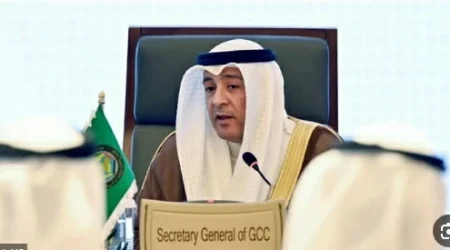
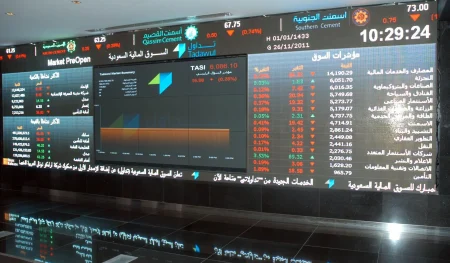
Qatar has pledged strategic investments in Canada’s major nation-building projects. In return, Canada committed to sending a delegation of its leading pension funds to Qatar to explore mutual investment opportunities. Both nations expressed a commitment to finalizing a Foreign Investment Promotion and Protection Agreement (FIPPA) by the summer of 2026.
United Arab Emirates: Strengthening Investment Ties
A key achievement with the UAE was the signing of an agreement to encourage and protect investments. This was coupled with the launch of negotiations for a Comprehensive Economic Partnership Agreement (CEPA), alongside a UAE commitment to invest up to $50 billion in Canada’s critical minerals, artificial intelligence, and clean energy sectors.
China: A Landmark Trade Deal
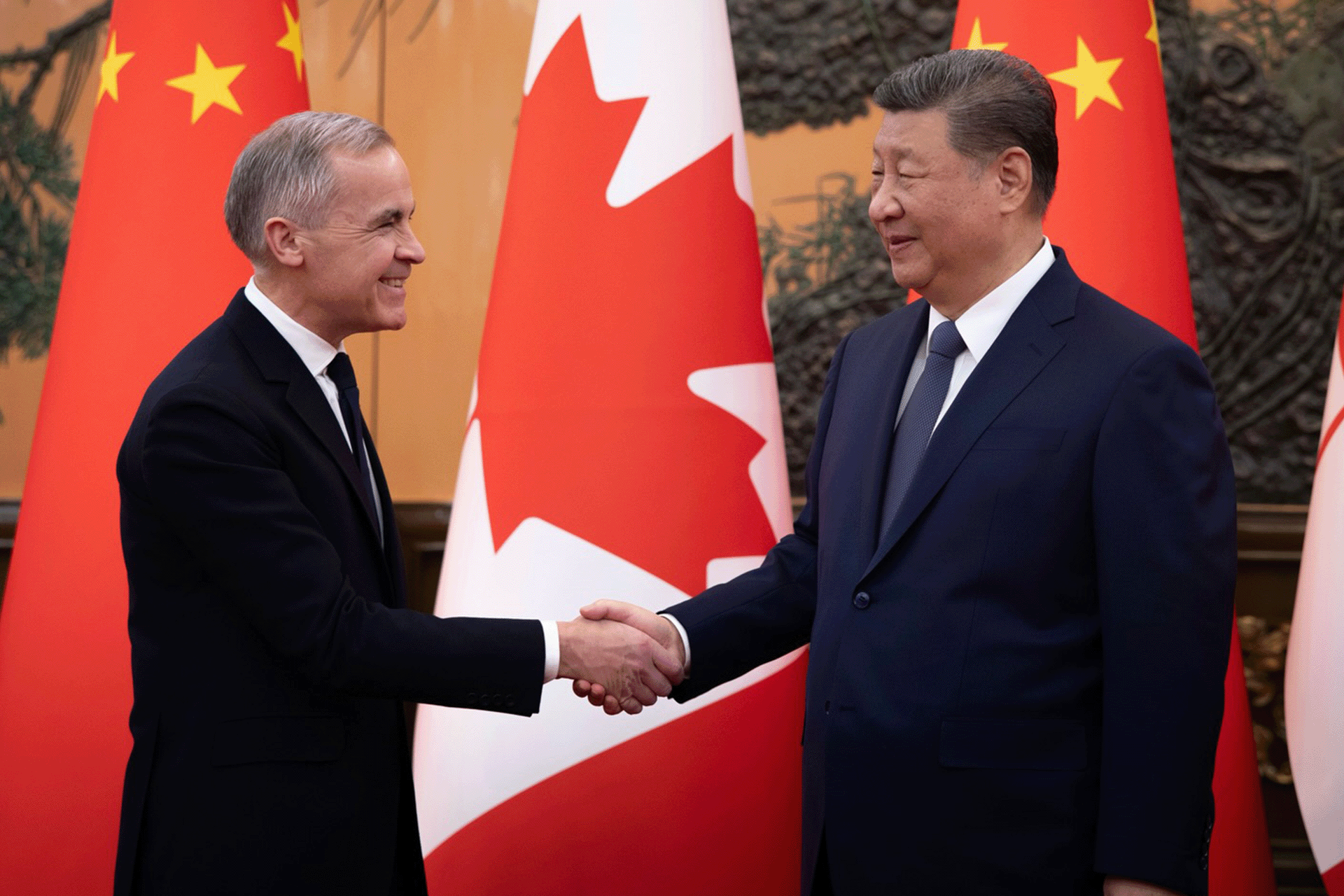
Perhaps the most controversial, yet potentially impactful, agreement was a preliminary trade deal with China. This deal allows for the import of Chinese electric vehicles into Canada, while China agreed to reduce tariffs on Canadian canola seeds from approximately 85% to around 15%. Furthermore, tariffs were eliminated on other Canadian products, including canola meal and certain seafood items. This move towards international trade is a clear signal of intent.
The Gulf Partnership: A Strategic Move?
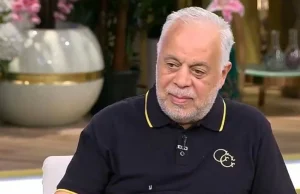
Financial security analyst Madin Salman views the government’s strategy of engaging with Gulf Arab states as a positive step towards mitigating the risks associated with US tariffs. He believes these new partnerships can be a crucial element in Canada’s economic diversification strategy. However, Salman emphasizes the need for balance in managing relationships with Europe, India, Japan, China, and, crucially, the United States. He cautions against any perception of a shift away from Canada’s closest ally.
Dr. Yahya Al-Laheeb, an associate professor at the University of Calgary’s Faculty of Social Work, offers a political interpretation of the Gulf outreach. He suggests that Carney, as a first-principles neoliberal economist now leading a government, is attempting to secure Canada’s economic position in a world increasingly aware of the drawbacks of neoliberal economic policies.
Al-Laheeb argues that Canada doesn’t necessarily view the Gulf states as a primary or substitute economic partner for the US. Instead, he posits that the Gulf represents a temporary leverage point to foster a more equitable relationship with both the US and Europe.
Impact on the Canadian Labor Market
The anticipated impact of these visits on Canadian employment and economic growth is a subject of debate. Al-Laheeb believes the effects will be limited in the short term, characterizing Carney’s outreach as a bargaining chip to improve Canada’s negotiating position with Trump, particularly as many economists believe the neoliberal system is nearing its end. He suggests the visits are an attempt to soften the blow of this potential collapse and find alternative arrangements without significant negative consequences for Canada. Improving the situation for Canadian workers isn’t currently a priority, he contends.
Salman, however, anticipates a gradual positive impact over the next three years, with investments flowing into key sectors like energy, technology, and infrastructure, creating thousands of high-quality jobs and potentially boosting GDP. He acknowledges, however, that the impact will be limited compared to the overall size of the Canadian economy and won’t fully offset the losses from US tariffs in the short term. This makes the move important, but not a complete solution.
The Canadian economy has demonstrably weakened since Trump imposed tariffs on Canadian products (reaching 35% on most goods and 10% on energy). This led to a sharp decline in exports to the US (over 70% of total exports), slower growth, rising unemployment, and a negative impact on tourism, with pressure on manufacturing, automotive, forestry, and metals sectors, despite some temporary exemptions under free trade agreements and a partial easing of tensions in late 2025.
A Significant Opportunity for Canada
Former Member of Parliament George Shehal believes Carney’s focus on diversifying trade relationships globally is a positive development. He points to Canada’s renewed engagement with India and China, alongside strengthened ties with the Gulf states, as evidence of this commitment, resulting in the signing of memorandums of understanding and trade agreements.
Shehal emphasizes that this outward-looking strategy signals Canada’s openness to business and investment, and its willingness to collaborate with new partners for mutual benefit. He urges Canadian companies to capitalize on these “huge commercial opportunities” for Canada. New trade opportunities will attract foreign investment and boost confidence in Canadian businesses, allowing them to expand into new markets. Carney has already signed new MOUs with Canadian provinces regarding infrastructure projects in mining and energy production, which will create thousands of well-paying jobs for Canadians in the coming years.
In conclusion, Canada’s pursuit of economic diversification represents a strategic response to evolving geopolitical realities and the threat of protectionist measures from the US. While the long-term impact remains to be seen, the initial agreements and diplomatic efforts signal a clear intent to build a more resilient and independent Canadian economy. The success of this strategy will depend on careful management of existing relationships and the ability to forge strong, mutually beneficial partnerships with nations around the globe.