







The situation in the Gaza Strip has reached a catastrophic level, leaving a grim legacy of physical and psychological trauma. Recent reports from the Palestinian Central Bureau of Statistics (PCBS) reveal a deeply concerning reality: approximately 42,000 individuals in Gaza now suffer from severe, life-altering injuries requiring long-term, continuous rehabilitation. This article delves into the scale of these injuries in Gaza, the systemic collapse of healthcare services, and the urgent need for international intervention. The figures are not merely statistics; they represent hundreds of thousands of shattered lives and a future burdened by disability.
The Devastating Scale of Injuries in Gaza
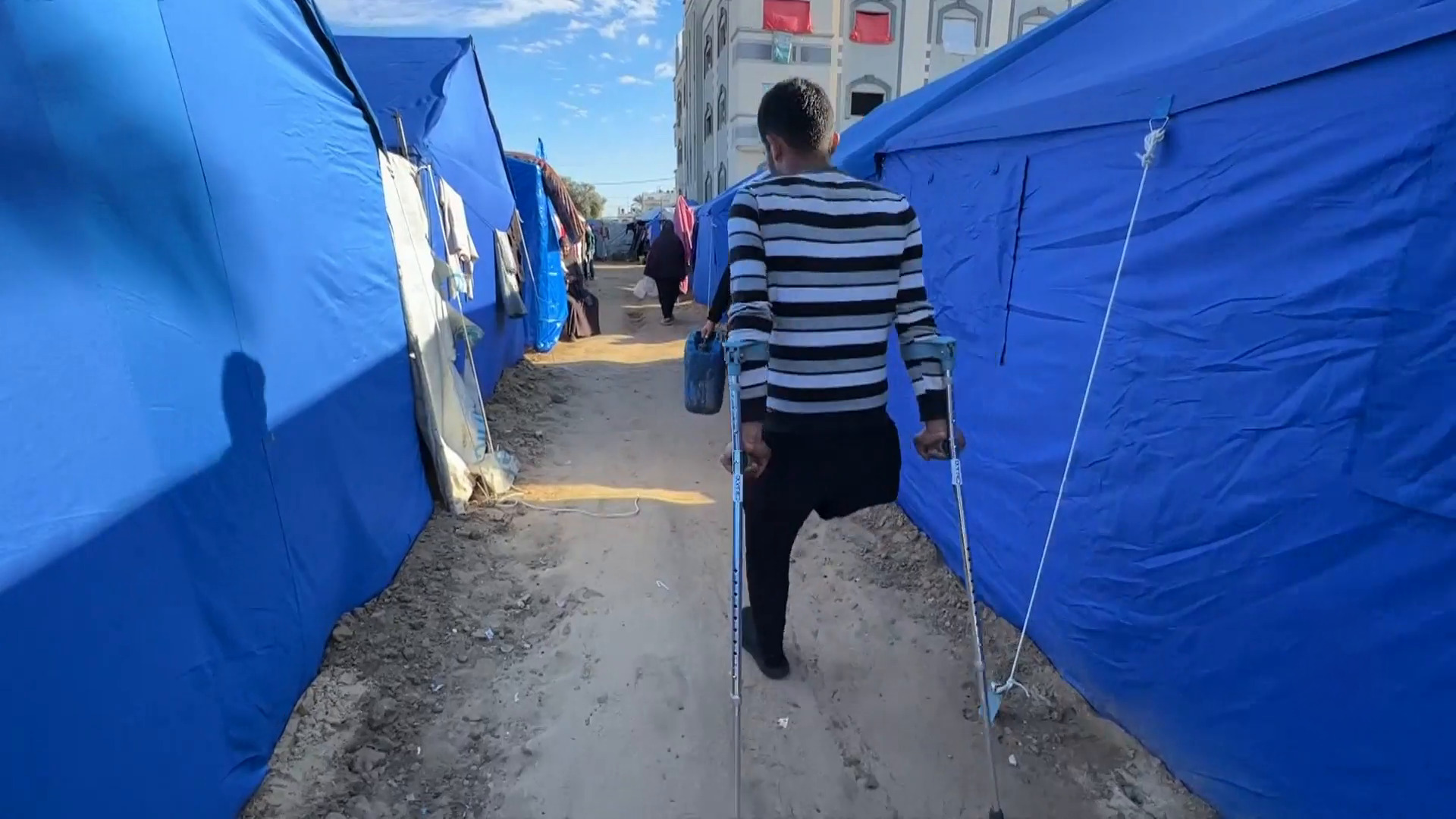
The PCBS report, released to coincide with the International Day of Persons with Disabilities on December 3rd, highlights the dramatic increase in disabling injuries sustained in Gaza. These injuries are predominantly complex limb trauma, amputations, severe burns, and debilitating neurological damage resulting in permanent loss of mobility or sensation. Alarmingly, around 6,000 cases of amputation have been identified, with 75% affecting the lower limbs. This isn’t just a health crisis; it’s a demographic shift, fundamentally altering the societal landscape of Gaza.
The impact extends disproportionately to children. Over 10,000 children now live with severe, disabling injuries, representing 51% of all medical evacuations from the Strip between May 2024 and June 2025. This generation will face lifelong challenges, demanding comprehensive and sustained support that is currently unavailable.
The Breakdown of Rehabilitation Services
The sheer number of injuries has overwhelmed the already fragile healthcare infrastructure in Gaza. The PCBS report emphasizes a staggering 62% reduction in rehabilitation services due to the destruction of facilities and, crucially, the loss of over 1700 healthcare workers. The availability of essential assistive devices like wheelchairs, walkers, and prosthetics is acutely insufficient. This critical gap in care means that even those who survive the initial trauma face a bleak future without the necessary support to regain independence and quality of life.
A particularly concerning detail is the high percentage of burn victims among children, with 70% of those requiring surgery being under the age of five. This points to the intensity of the conflict and the vulnerability of the youngest residents of Gaza. Moreover, complex neurological and brain injuries, also frequently observed, currently lack adequate rehabilitative care within the sector.
The Role of Warfare and Restrictions
The Palestinian Ministry of Foreign Affairs and Expatriates has expressed deep concern over the unprecedented surge in permanent disabilities caused by the ongoing conflict. The statement directly attributes this crisis to indiscriminate shelling and the use of explosive weapons with wide-area effects, along with targeted sniper fire against civilians. These actions have transformed treatable wounds into lifelong impairments.
However, the war isn’t the sole driver. The prolonged blockade, closure of crossings, and restrictions on the entry of vital medical supplies, including pharmaceuticals, medical equipment, and fuel, have dramatically exacerbated the situation. The shortage of resources and timely intervention leads to more complications and a higher likelihood of permanent disability. This situation contributes to the worsening health crisis in Gaza.
Calls for International Accountability and Support
The international community is facing increasing pressure to respond effectively to this unfolding disaster. Both the Ministry of Foreign Affairs and the Popular Organizations Directorate of the Palestine Liberation Organization (PLO) have issued strong calls for action, demanding protection for civilians and an independent investigation into the injuries leading to disability. They emphasize the need for accountability for the use of disproportionate force, targeting of civilians, and violations of international law.
The PLO Directorate also highlighted the dire circumstances faced by wounded individuals with disabilities, emphasizing their deprivation of treatment, rehabilitation, and even the right to travel for medical care. The right to healthcare and rehabilitation, they argued, should not be subjected to political bargaining or conditions.
Furthermore, there’s a growing demand for Israel to facilitate the travel of individuals with disabilities, enable the entry of essential medical equipment, and ultimately be held accountable for the consequences of its actions. Beyond accountability, there’s an urgent need for substantial financial and logistical support to rebuild the healthcare infrastructure and provide long-term care for the thousands affected by these life-altering injuries. The lack of proper care is leading to secondary health issues and a worsening of their overall condition.
Beyond Immediate Trauma: Future Implications and Needs
Current estimates of injuries in Gaza primarily focus on direct trauma resulting from the conflict. However, the long-term consequences are likely to be far more extensive. The deteriorating health conditions caused by the war – including malnutrition, chronic diseases, and displacement – will undoubtedly lead to an increased demand for rehabilitative services. Without address of these compounding factors, the situation will only deteriorate.
The future requires a holistic approach, encompassing not only medical intervention but also psychosocial support, accessible infrastructure, and inclusive policies. Investing in rehabilitation is not merely a humanitarian imperative; it is an investment in the future of Gaza, enabling individuals to regain their dignity, participate fully in society, and contribute to the rebuilding of their communities. Failing to address the long-term needs stemming from these widespread injuries represents a dereliction of our collective responsibility. We must emphasize the need for immediate and protracted assistance to mitigate the severe impact of conflict on civilians within Gaza.