







For decades, lung cancer carried a heavy weight of social stigma, anxiety, and loss. However, significant advancements in screening, treatment, and survival rates are reshaping this reality. Today, lung cancer screening is increasingly recognized as a viable path to early detection and improved outcomes, transforming the disease from a death sentence to a manageable, chronic condition for many. A special issue of the American College of Radiology journal, published by Elsevier and in collaboration with the National Lung Cancer Roundtable of the American Cancer Society (ACS NLCRT), details this crucial shift, highlighting how radiology is evolving beyond diagnosis to deliver equitable care.
The Changing Landscape of Lung Cancer
Lung cancer remains a leading cause of death in the United States, and the primary driver of years of life lost due to cancer. Statistics for 2025 paint a stark picture: an estimated 226,650 new lung cancer cases and 124,730 deaths. These numbers underscore the urgent need for effective prevention and early detection strategies. Historically, the diagnosis often came at a late stage, severely limiting treatment options and survival chances. This contributed to the pervasive sense of hopelessness surrounding the disease.
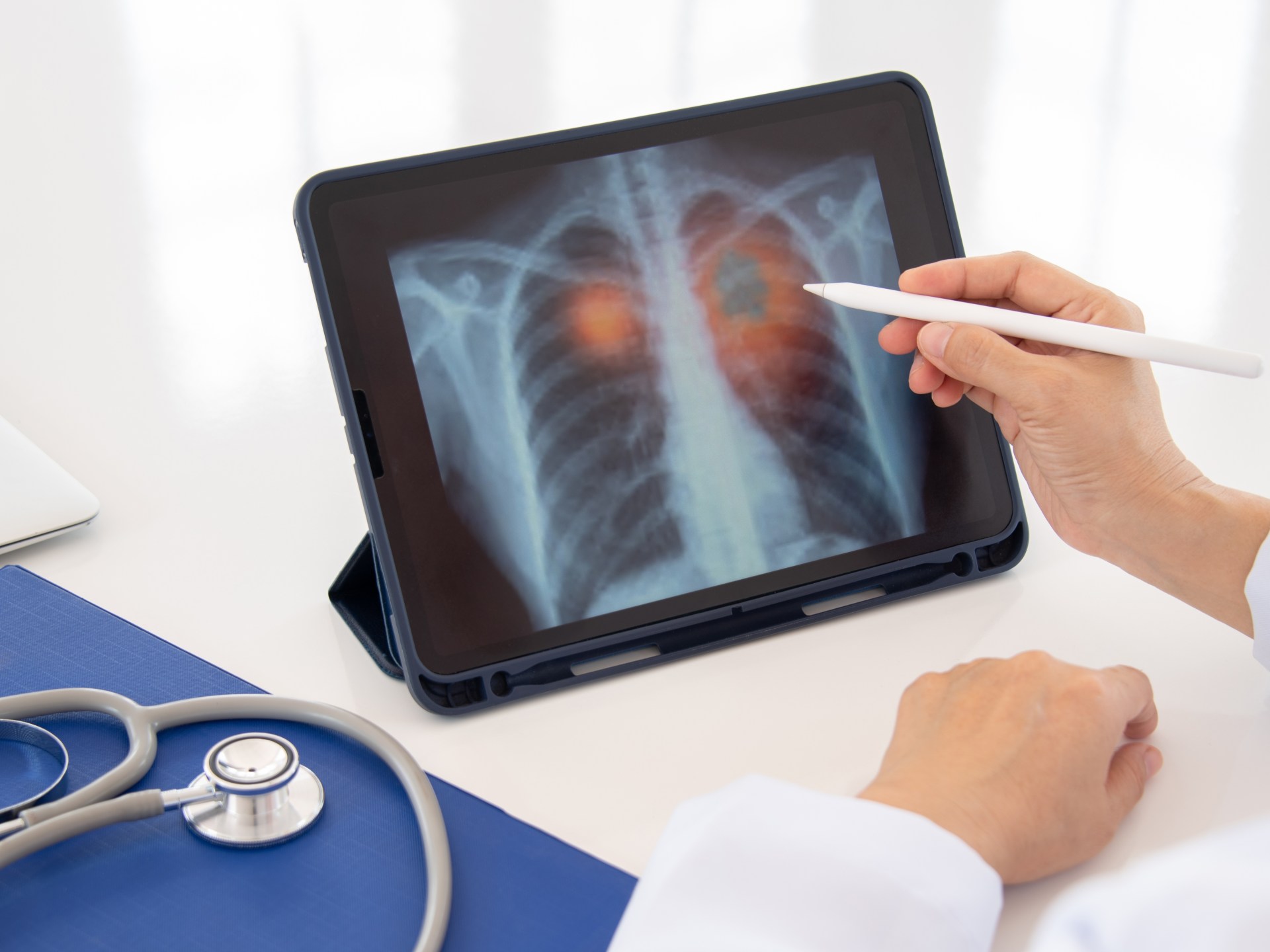
However, the introduction and refinement of low-dose computed tomography (LDCT) lung cancer screening has dramatically altered the outlook. These scans can detect smaller, earlier-stage tumors, significantly increasing the chances of successful intervention.
Lung Cancer Screening: An Integrated System of Care
Dr. Lisa Carter-Bawa, co-editor of the special issue, emphasizes this evolution: “Lung cancer screening has evolved into an integrated health care system.” This isn’t simply about increasing the number of scans performed. It’s about ensuring equitable access to screening for those who need it most, providing appropriate follow-up care, and offering comprehensive support throughout the process. The ultimate goal is a humane, coordinated, and fair screening experience for every patient.
This integrated approach necessitates a shift in how healthcare is delivered. It requires breaking down silos between radiology, tobacco treatment programs, diagnostic pathways, biomarker testing, and survivorship resources. Effective coordination minimizes delays and ensures patients receive the right care at the right time.
Four Pillars of Transformation
The contributors to this special issue have identified four core principles driving this transformation in lung cancer screening and treatment:
- Radiology as an Integrated Hub: Moving beyond a standalone service, radiology now connects all aspects of lung cancer care, from prevention to long-term survival.
- Value Over Volume: Success isn’t solely measured by the number of LDCT scans performed, but by equitable access, appropriate follow-up, patient adherence, radiation management, and minimizing harm.
- The Human Experience Matters: Addressing anxieties surrounding screening and the stigma associated with smoking history is crucial for building patient trust, encouraging participation, and ensuring long-term compliance.
- Targeted Screening: Utilizing epidemiological studies to identify high-risk individuals for screening is essential for maximizing benefits while minimizing potential risks.
The Role of Radiology in Equitable Access
Dr. Ashley Prosper, another co-editor, highlights the proven benefits of lung cancer screening: “Clinical trials and reports from field screening programs have confirmed that lung cancer screening has the potential to significantly improve outcomes.” However, realizing this potential requires strategic partnerships, effective communication, and the use of informatics tools to bridge data gaps between radiology, primary care, and oncology. This collaboration is vital for timely diagnosis, appropriate follow-up, and achieving equitable results.
Addressing disparities in access to screening is a critical component of this effort. Factors such as geographic location, socioeconomic status, and racial/ethnic background can all create barriers to care. Proactive outreach programs and targeted interventions are needed to ensure that all eligible individuals have the opportunity to benefit from early detection. Early detection of lung cancer is key to improving survival rates.
Moving Forward with Hope and Compassion
Dr. Julie Barta emphasizes the ongoing need for research: “While we know that lung cancer screening improves early detection and reduces lung cancer deaths, there is still much work to be done to understand how to identify high-risk patients for screening and deliver high-quality care.”
Dr. Ella A. Kazerouni powerfully states, “Lung cancer is treatable, and lung cancer is survivable. Every patient deserves to know that.” Radiologists and their teams are integral to the medical community, and by collaborating with primary care physicians and specialists, they can increase awareness of the possibilities, replacing pessimism and stigma with empathy and hope for patients and their families.
The question is no longer if lung cancer screening saves lives – it demonstrably does. The focus now is on ensuring that its benefits are widely available, delivered equitably, and provided with dignity. Radiology is uniquely positioned to lead this charge, driving a future where lung cancer is detected earlier, treated more effectively, and faced with greater hope.