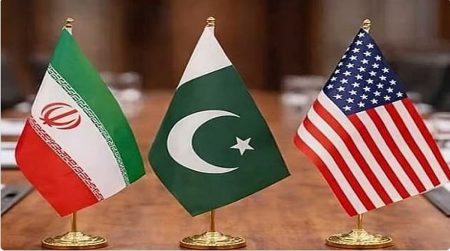






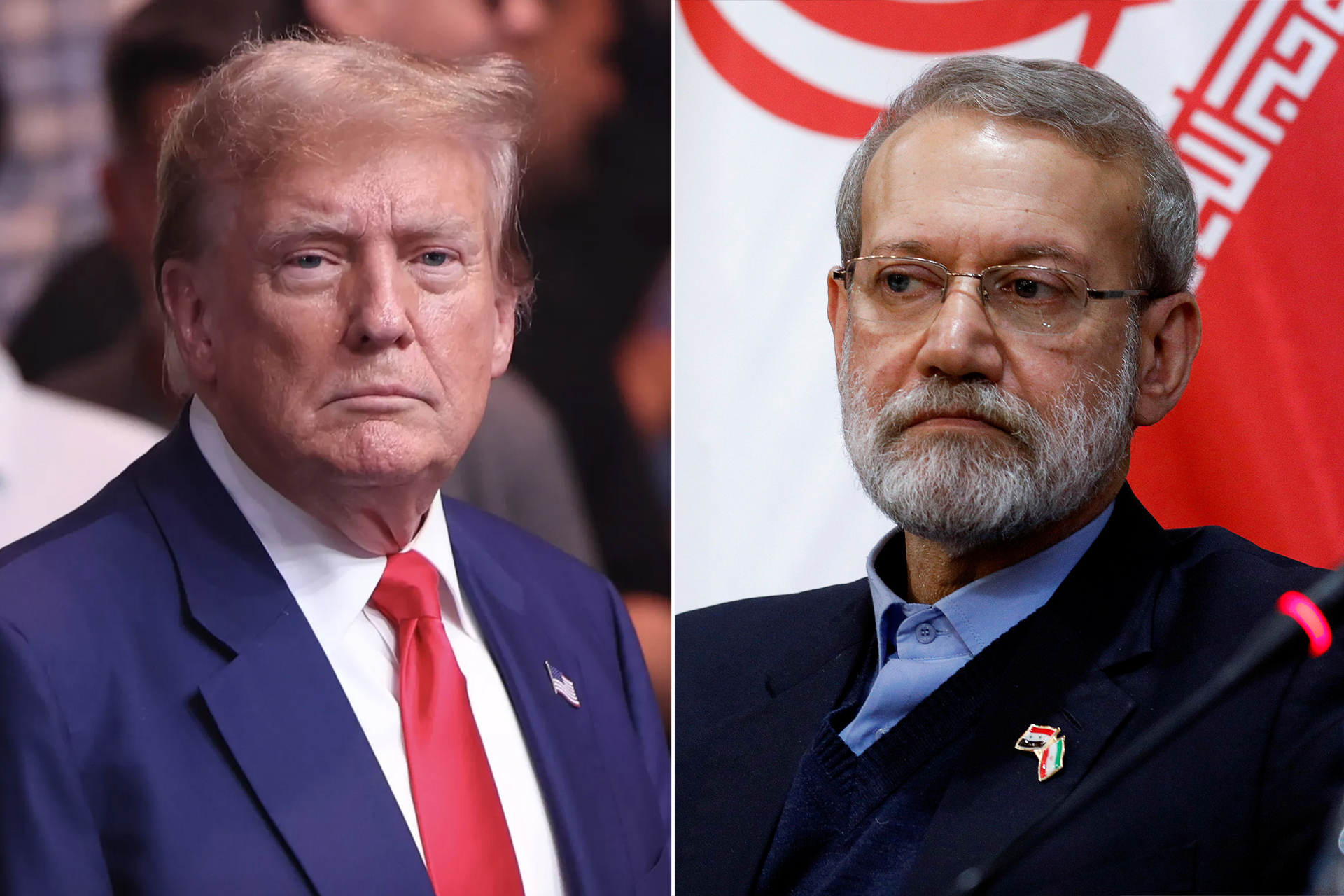
The escalating tensions between Iran and the United States have reached a new peak, marked by direct accusations and fiery rhetoric. Recent exchanges between Iranian Security Council Secretary Ali Larijani and former US President Donald Trump highlight a deepening crisis fueled by ongoing protests in Iran and concerns over its nuclear program. This article delves into the details of this escalating conflict, analyzing the statements made by both leaders and exploring the potential ramifications for the region. The core of the issue revolves around the Iranian protests and the external actors perceived to be influencing them.
رد فعل لاريجاني الحاد على تصريحات ترامب
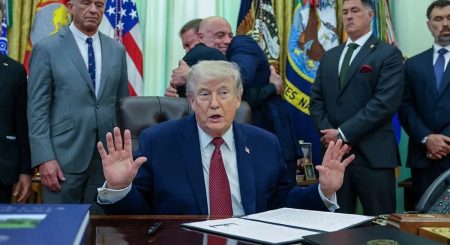
The immediate catalyst for the current escalation was a post by Donald Trump on his “Truth Social” platform, where he urged Iranian citizens to continue protesting and promised repercussions for those he deemed responsible for the crackdown. He stated, “To the proud Iranian people, continue your protests! Seize your institutions! Remember the names of the murderers and aggressors, they will pay a heavy price.” He further added that he had cancelled meetings with Iranian officials until the “senseless killing of protesters” ceased, promising assistance and a renewed effort to “Make Iran Great Again.”
Ali Larijani responded directly and forcefully, declaring, “We announce the main murderers of the Iranian people: Trump and Netanyahu.” This statement represents a significant escalation in the Iranian government’s rhetoric, directly blaming foreign leaders for the unrest within its borders. The directness of the accusation is unprecedented and signals a potential shift in Iran’s approach to the crisis.
تحليل دعوة ترامب وموقف طهران
Analysts and activists have been quick to dissect Trump’s call to action and Larijani’s response. Many view the exchange as a clear indication of escalating hostility between Tehran and Washington. The accusations leveled by both sides are fueling regional tensions and raising concerns about potential miscalculation.
Some commentators believe Trump’s primary goal isn’t necessarily regime change, but rather leveraging the unrest to force Iran back to the negotiating table regarding its nuclear program and ballistic missile arsenal. They suggest he aims to secure agreements that would bring Iran back within the US sphere of influence concerning oil and gas. These observers argue that the Iranian system, despite facing internal challenges, is unlikely to collapse.
اتهامات متبادلة وتصعيد دبلوماسي
Larijani’s accusation goes beyond simply blaming external actors for supporting the protests. It frames Trump and Netanyahu as directly responsible for the deaths of Iranian citizens, a charge that further poisons the already strained relationship between Iran and both countries. This level of animosity suggests a temporary suspension of diplomatic efforts, a move towards what some are calling a “zero-sum confrontation.”
The situation is further complicated by the Iranian government’s recent admission that approximately 2,000 people have been killed during the ongoing protests in Iran. This is the first official death toll released by Iranian authorities, and it underscores the severity of the internal conflict. The number itself is likely to be a point of contention, with opposition groups claiming significantly higher figures.
هل نشهد “الاستئصال” أم حلول وسط؟
Several analysts question whether the United States can successfully navigate this complex situation. They ask whether a viable alternative to the current Iranian regime exists, or if the situation will be left to unfold organically, potentially leading to further instability. The question of whether the West can afford to push Iran towards chaos is also being raised.
The prevailing sentiment among some observers is that the situation has reached a point of “eradication,” where compromise is unlikely. They believe that the current trajectory points towards a more confrontational approach, with both sides digging in their heels. The possibility of a “Venezuelan scenario” – a prolonged period of economic and political crisis – is considered less likely in Iran due to the country’s unique political and security structure.
Instead, some fear a more volatile outcome, where igniting the flames of unrest and continuously fueling them could lead to widespread destruction and unpredictable consequences. The complexity of the Iranian political landscape suggests that simply “lighting a fuse” could have far-reaching and devastating effects. The regional stability is directly threatened by this escalation.
مستقبل الاحتجاجات والعلاقات الدولية
The future remains uncertain. The Iranian protests show no signs of abating, and the government’s response continues to be harsh. The involvement of external actors, particularly the United States and Israel, adds another layer of complexity to the situation.
Ultimately, the path forward will depend on a number of factors, including the willingness of all parties to engage in meaningful dialogue, the ability to address the underlying grievances driving the protests, and the broader geopolitical context. The current escalation, however, suggests that a peaceful resolution is becoming increasingly difficult to achieve. Continued monitoring of the situation and a nuanced understanding of the motivations of all involved are crucial to preventing further deterioration and safeguarding regional peace.
This article aims to provide a comprehensive overview of the current situation, offering insights into the perspectives of both Iran and the United States. It is vital to stay informed and critically assess the information available as this situation continues to evolve.