





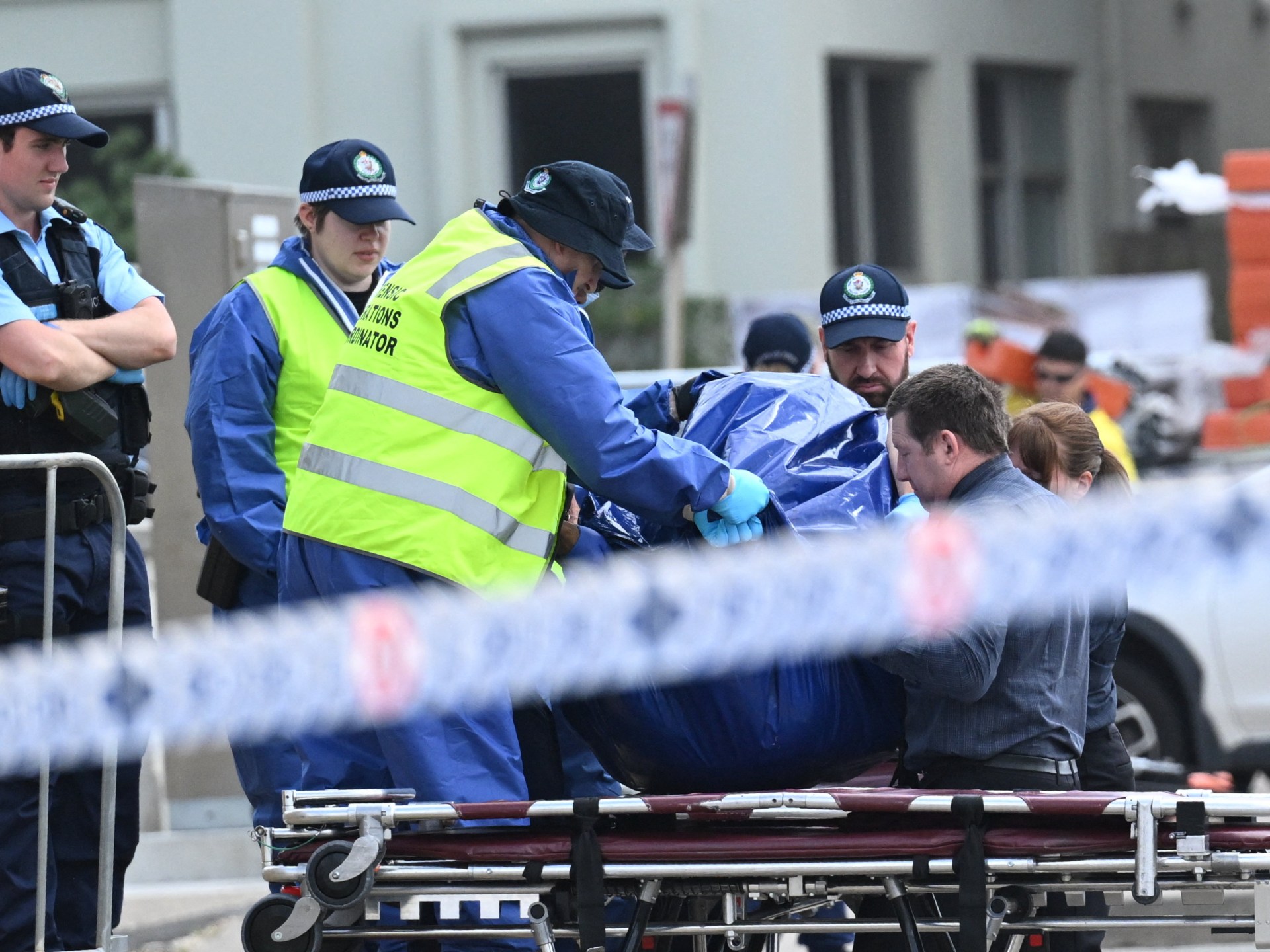
The tragic events unfolding in Bondi, Sydney, have sent shockwaves across Australia and the international community. A horrific attack on Sunday, December 15th, 2024, has resulted in a devastating loss of life and left many injured, prompting a national conversation about security, extremism, and the response to Sydney attack and potential legislative changes. As of the latest reports, the death toll has risen to 16, with 40 individuals sustaining injuries. The Australian government is now actively considering stricter gun control laws in the wake of this tragedy.
Details of the Bondi Beach Attack
Australian police have confirmed that one of the attackers was killed during a confrontation with law enforcement. The other assailant suffered critical injuries and remains hospitalized under police guard. Investigations have identified the perpetrators as Sajid Akram, who died at the scene, and his son, Navid Akram.
Australian media outlets report that Sajid Akram arrived in the country on a student visa, while his son, Navid, was born in Australia. Authorities are currently investigating whether a third individual was involved in planning or executing the attack. New South Wales Police Commissioner Mal Lanyon stated that the investigation is ongoing and comprehensive.
Government Response and Potential New Legislation
The attack has immediately triggered a review of national security protocols and a commitment from the Australian government to address potential vulnerabilities. Prime Minister Anthony Albanese announced that his government will prioritize examining stricter gun control measures.
“This issue will be on the government’s agenda today,” Albanese stated. “The new laws will include restrictions on the number of firearms owned or licensed by individuals, and periodic reviews of firearm licenses.” He further emphasized Australia’s unwavering commitment to combating antisemitism and rejecting division, violence, and hatred. The Prime Minister unequivocally labeled the incident a terrorist attack, specifically targeting the Australian Jewish community.
Links to Extremist Ideology and Investigation Focus
Intelligence agencies are actively investigating potential connections between Navid Akram and extremist groups. Reports indicate that authorities are scrutinizing his ties to a Sydney-based cell affiliated with the Islamic State (ISIS). Investigators believe the father and son may have pledged allegiance to ISIS following the 2019 imprisonment of Issac Mati, who was identified as the self-proclaimed leader of ISIS in Australia and sentenced to seven years in prison. This line of inquiry suggests a potential radicalization process and a deliberate targeting of the Jewish community. The Bondi shooting is being treated with the utmost seriousness, and all possible avenues are being explored.
Heroic Actions During the Crisis
Amidst the chaos and tragedy, stories of bravery and selflessness have emerged. Ahmed Al-Ahmad, a 43-year-old man, has been hailed as a hero for disarming one of the attackers. Witnesses describe Al-Ahmad rushing towards the danger to assist others, despite having no prior experience with firearms. He is currently undergoing surgery after being shot twice during the struggle. His courageous act undoubtedly saved lives and prevented further harm. This act of bravery highlights the resilience and community spirit in the face of terrorism in Australia.
Condemnation and International Reactions
The attack has been widely condemned by religious leaders and international figures. The Grand Mufti of Australia and New Zealand, Ibrahim Abu Mohammed, described the incident as a “terrorist act” and expressed his deepest condolences to the victims and their families. He stressed that targeting individuals based on their religion or nationality is unacceptable.
However, the response from Israeli Prime Minister Benjamin Netanyahu has been particularly critical. He accused the Australian government of “leniency” in addressing the rise of antisemitism, suggesting this contributed to the attack. Netanyahu referenced a letter he sent to the Australian Prime Minister in August, warning that support for a Palestinian state would embolden antisemitic sentiments and endanger Australian Jews. He further stated that the lack of action from the Australian government led to the “horrific attacks” witnessed on Sunday. The Israeli National Security Council has also advised Israelis abroad to avoid unsecured public gatherings.
Ongoing Concerns and Future Security Measures
The incident has raised serious questions about the effectiveness of current security measures and the potential for further attacks. Authorities are reviewing intelligence gathering and analysis processes to identify and mitigate threats from extremist groups. The focus is on understanding the factors that contributed to the radicalization of the perpetrators and preventing similar tragedies from occurring in the future. The investigation into the Sydney terror attack will be crucial in shaping Australia’s counter-terrorism strategy.
The Australian government faces a delicate balancing act between strengthening security measures and upholding civil liberties. Any new legislation must be carefully considered to ensure it is proportionate, effective, and does not unfairly target specific communities. The coming days and weeks will be critical in determining the long-term impact of this devastating event and the steps Australia will take to protect its citizens.
This article aims to provide a comprehensive overview of the Bondi Beach attack, its aftermath, and the ongoing investigations. It is crucial to remain informed and vigilant in the face of extremism and to support efforts to build a more inclusive and secure society.