





The situation in the Middle East is rapidly evolving, with heightened tensions surrounding Iran dominating regional headlines. A confluence of military movements, official statements, and reactions from allied factions has created a volatile atmosphere, sparking fears of a broader conflict. This article will delve into the key developments of Monday, 26th January 2026, analyzing the escalating rhetoric and potential repercussions for the region. The day witnessed a significant build-up that requires careful examination, and understanding the role of major players is crucial.
تصاعد التوترات الإقليمية حول إيران (Escalating Regional Tensions Around Iran)
The past 24 hours have seen a marked increase in anxieties concerning a potential confrontation involving Iran. The deployment of US military assets, coupled with increasingly assertive statements from both Washington and Tel Aviv, has been met with a firm response from Tehran and its regional allies. This isn’t simply a bilateral issue; the interconnectedness of regional power dynamics means any escalation could quickly spiral out of control. The core concern revolves around the possibility of a preemptive strike against Iranian interests, particularly in response to perceived threats to regional stability and the ongoing support for proxy groups.
تعزيز الوجود العسكري الأمريكي في الشرق الأوسط (Strengthening US Military Presence in the Middle East)
A key catalyst for the current tension is the arrival of the USS Abraham Lincoln Carrier Strike Group in the Middle East. The US Central Command (CENTCOM) announced the deployment as a measure to bolster American firepower amidst the escalating situation with Iran. Images released by CENTCOM showed sailors conducting routine maintenance aboard the carrier while in the Indian Ocean, emphasizing the group’s mission to enhance regional security and stability.
However, this move has been interpreted by some as a clear signal of intent, particularly following statements from US officials regarding potential military action. CENTCOM’s actions are being closely monitored by all parties involved, and the presence of such a powerful naval force undoubtedly contributes to the heightened sense of alert.
التهديدات الأمريكية والإسرائيلية المحتملة (Potential US and Israeli Threats)
General Brad Cooper, commander of US Central Command, indicated in statements carried by Israeli media that the US military is prepared to execute a “short, swift, and clean” operation inside Iran. He acknowledged that achieving full readiness for such an operation would take time, but reiterated the US commitment to being prepared for limited action.
This assertion is particularly concerning given the stated rationale for potential strikes – targeting individuals responsible for harming protestors. The implication is a willingness to intervene directly in Iran’s internal affairs. Simultaneously, Israeli officials have confirmed discussions with the US regarding defensive coordination in the event of an Iranian ballistic missile attack. The head of Israel’s Northern Command stated that Tel Aviv is monitoring the US force build-up and preparing for potential escalation, though the ultimate direction of events remains uncertain. This highlights the close coordination between the two allies and their shared concerns regarding Iran’s capabilities.
رد فعل طهران واستعداداتها الدفاعية (Tehran’s Reaction and Defensive Preparations)
Iran has responded to these developments with a firm and resolute stance. The Iranian armed forces have emphasized that any threat to national security is being closely monitored from its earliest stages, and that any response will be determined based on careful on-the-ground assessments.
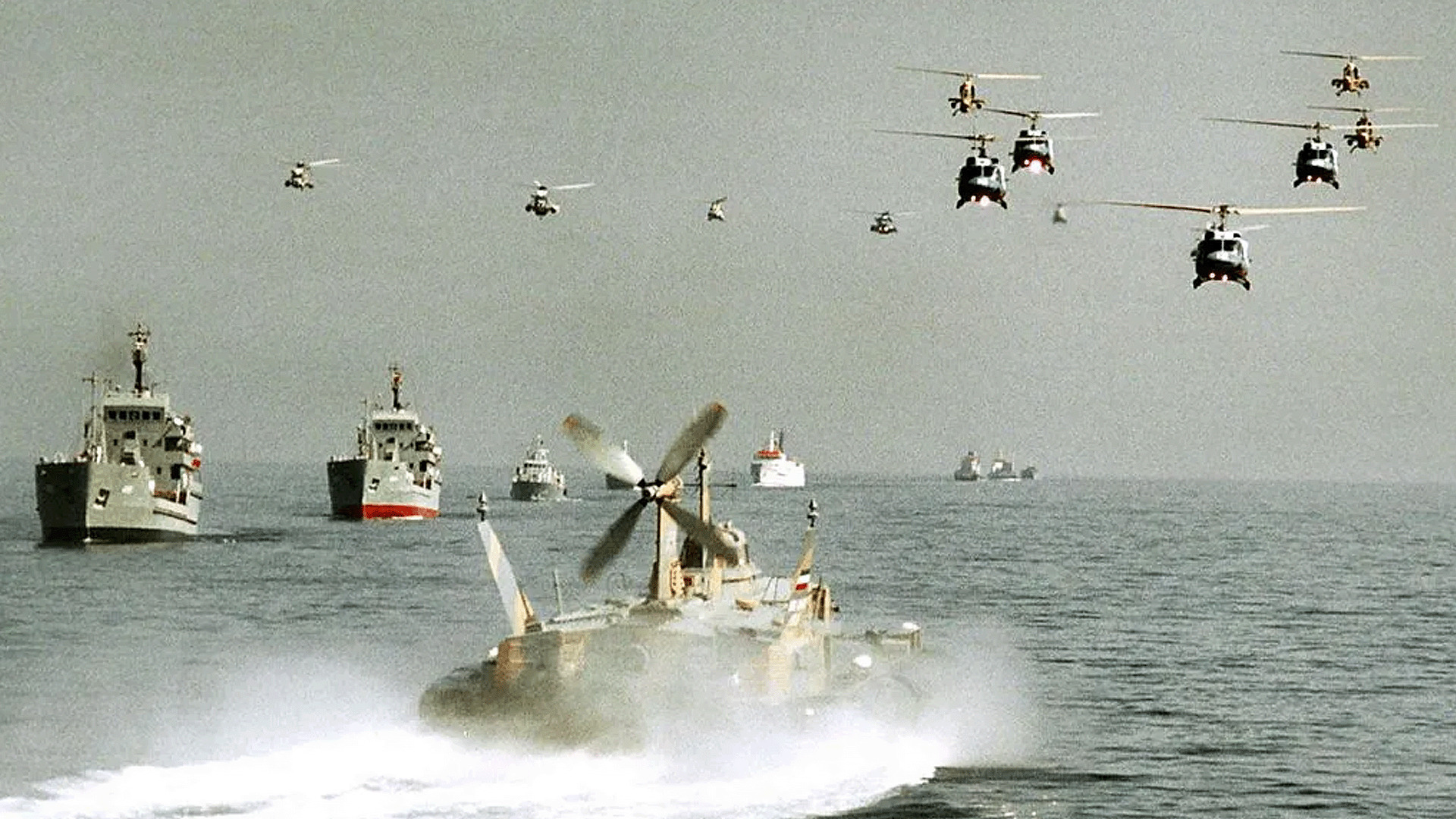
A senior military official from the Khatam al-Anbiya Central Headquarters stated that Iran is not only tracking the movements of its adversaries but also meticulously analyzing the nature and origins of any potential threat. They dismissed the notion of a “limited and swift” operation as a miscalculation of Iran’s defensive and offensive capabilities, asserting that any scenario relying on surprise would quickly unravel. Furthermore, Iran maintains that the US military presence in the region is exaggerated in the media and that its own forces have complete control over the surrounding maritime environment. Iran has repeatedly stated it will not initiate war, but will defend its national security with force. This position underscores the delicate balance between deterrence and escalation.
مواقف الفصائل الإقليمية (Positions of Regional Factions)
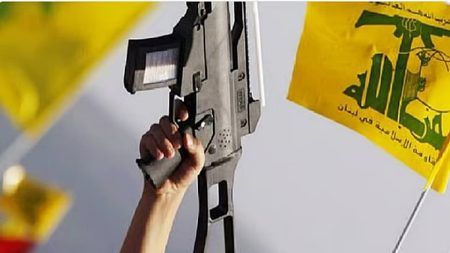
The escalating tensions have also prompted reactions from various regional factions. Lebanon’s Hezbollah, led by Secretary-General Naeem Qassem, declared it would not remain neutral if Iran were attacked, emphasizing that any threat to Iran is a direct threat to the entire axis of resistance.
In Iraq, Abu Hussein al-Hamidawi, Secretary-General of Kata’ib Hezbollah, warned that war with Iran would not be a “walk in the park” and called on “mujahideen” to prepare for a comprehensive war to support the Islamic Republic, including the possibility of defensive suicide attacks if a call to jihad is issued by religious authorities. Meanwhile, in Yemen, the Houthi group’s military media announced the targeting of the British ship Marlin Luanda in the Gulf of Aden with a domestically produced “Red Sea” missile, demonstrating their ability to reach vessels in areas of increased naval security. These statements demonstrate a unified front in support of Iran and a willingness to engage in conflict if necessary.
موقف الإمارات العربية المتحدة (The UAE’s Position)
Amidst the rising tensions, the United Arab Emirates has adopted a clear position of neutrality. The UAE has affirmed its commitment to preventing the use of its territory, airspace, or waters for any military operations against Iran, and has pledged not to provide any logistical support for such actions.
The UAE’s Ministry of Foreign Affairs stressed the importance of dialogue, de-escalation, adherence to international law, and respect for national sovereignty as the best means of resolving the current crisis. They reiterated that disputes should be addressed through diplomatic channels. This stance reflects the UAE’s desire to avoid being drawn into a regional conflict and its commitment to maintaining stability.
الخلاصة: مستقبل التوترات الإقليمية (Conclusion: The Future of Regional Tensions)
The current situation represents a period of unprecedented tension in the region, characterized by a strengthened US military presence, Iranian military preparedness, and the readiness of allied factions in Lebanon, Iraq, and Yemen to respond. Israel continues to monitor the situation and prepare its defenses, while the UAE maintains a committed “neutral line” to prevent its involvement. These developments within a single day signal a new, potentially dangerous phase. The possibility of limited escalation or a wider confrontation looms large, demanding careful diplomacy and restraint from all parties involved. Understanding the complexities of this situation and monitoring future developments concerning Iran are crucial for maintaining regional stability. Further analysis and real-time updates will be vital to navigate this evolving crisis.