





The recent developments in Aleppo, particularly concerning the Sheikh Maqsoud neighborhood, have sparked intense debate and scrutiny. The entry of Syrian government forces and the subsequent withdrawal of elements from the Syrian Democratic Forces (SDF) have triggered regional and international reactions, notably from the United States. This article delves into a comprehensive analysis of these events, exploring the shifting dynamics on the ground and the political implications for Syria’s future. Understanding the Aleppo developments is crucial for grasping the evolving landscape of the Syrian conflict.
تطورات حلب: تحليل شامل للمشهد الميداني والسياسي (Aleppo Developments: A Comprehensive Analysis of the Field and Political Landscape)
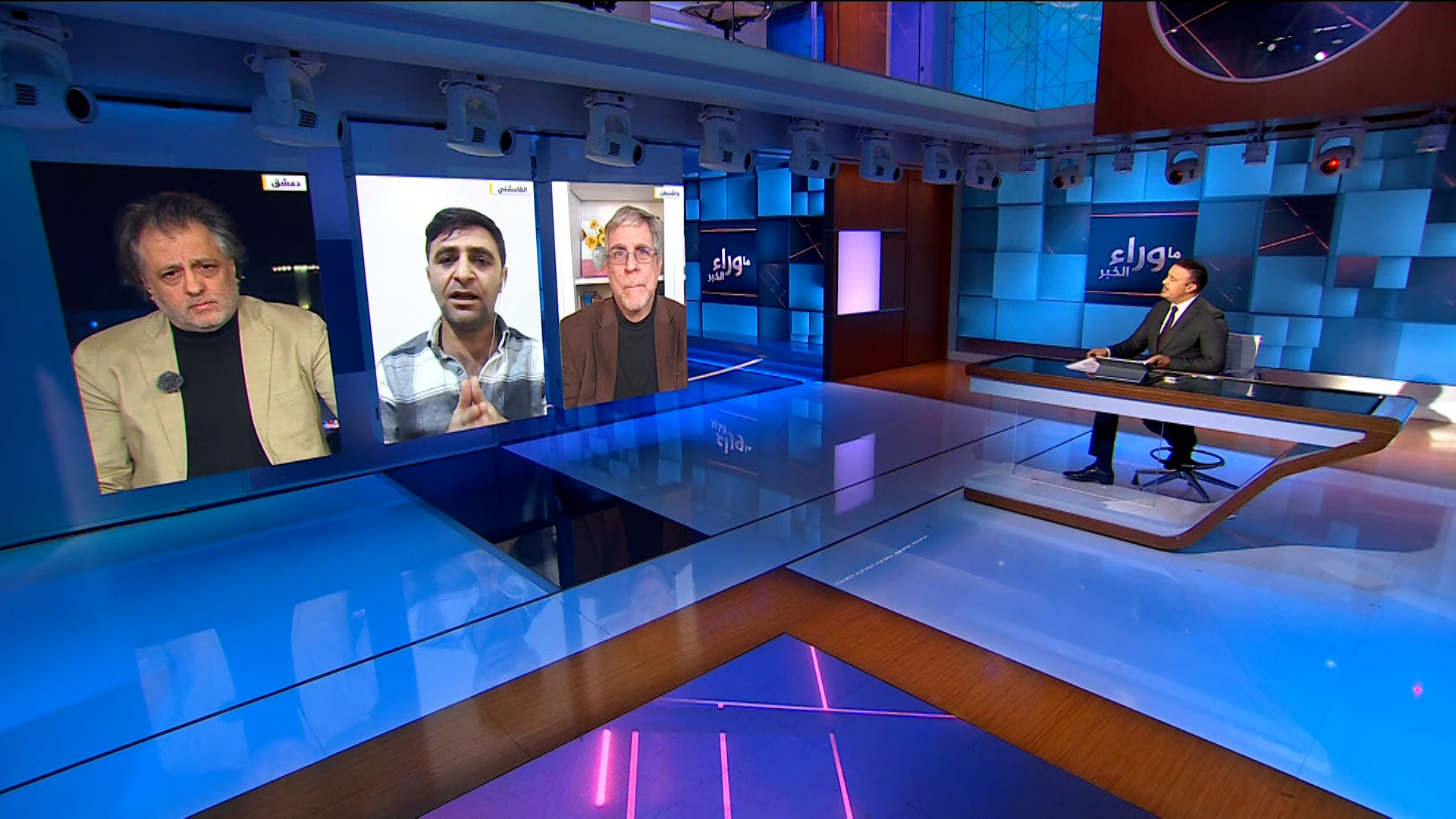
The situation in Aleppo, specifically Sheikh Maqsoud, has been rapidly unfolding. The program “Beyond the News” on Al Jazeera provided a detailed examination of these events, focusing on the military and political ramifications. The core of the discussion revolved around the Syrian government’s attempt to consolidate control over the city, the SDF’s loss of leverage in their negotiations with Damascus, and the messaging embedded within the US response. The program identified three key areas of focus: the changes brought about by the Syrian government’s actions, the impact of losing the Sheikh Maqsoud card for the SDF, and the potential role of Washington in resolving the disputes between the Syrian government and the SDF regarding the implementation of the March 10th agreement.
الوضع الميداني في الشيخ مقصود (The Field Situation in Sheikh Maqsoud)
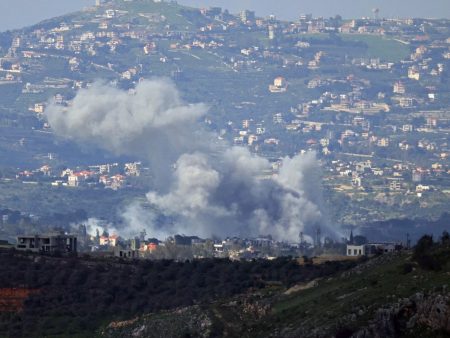
Journalist Ahmed Mohammed, reporting from Qamishli, cautioned against prematurely declaring complete Syrian government control over Sheikh Maqsoud. He emphasized that Kurdish forces remain present within the neighborhood, and sporadic clashes and artillery shelling continue. Mohammed clarified that the buses seen leaving the area were carrying civilians aged 18-50, not necessarily withdrawing SDF fighters. He described the situation as “street fighting in the alleys,” indicating the battle is far from decisively settled. This ongoing conflict highlights the complexities of the Syrian conflict and the challenges to achieving lasting stability.
الموقف الأمريكي وتأثيره على المشهد (The American Position and its Impact on the Scene)
James Robbins, a senior researcher at the American Council on Foreign Policy, stated that the recent developments “undermine the agreements and progress made in integrating these forces within the Syrian framework.” He affirmed the United States’ commitment to the March and April agreements, seeking a ceasefire and addressing disputes through dialogue and diplomacy. Robbins warned that continued fighting would exacerbate divisions within Syrian society and benefit external actors. He stressed that altering the facts on the ground through force would not serve the negotiation process but rather weaken its chances of success. The US stance, while advocating for de-escalation, is being closely watched for its long-term implications on the political settlement in Syria.
إفلاس سياسي أم إعادة ترتيب الأوراق؟ (Political Bankruptcy or a Reordering of the Cards?)
From Damascus, writer and political researcher Muayyad Ghazlan Qablawi argued that the events in Aleppo reflect a “political bankruptcy” following the failure to use civilians as leverage. He asserted that the SDF had violated the terms of the March 10th agreement by introducing new demands, including the form of a decentralized state and constitutional guarantees, which were not part of the original agreement. Qablawi believes the continued clashes demonstrate the desperation of a hardline faction within the SDF seeking international attention and a lost political cover.
He also pointed to a noticeable shift in the US position, particularly in the statements of envoy Tom Brack, towards calling for de-escalation, restraint, and dialogue, without criticizing the Syrian government’s actions in Aleppo. This, he argues, reflects a change in the international balance of power in favor of Damascus. This shift in international perception is a significant factor in understanding the current Aleppo crisis.
الرسائل الأمريكية وإعادة ترتيب الأولويات (American Messages and Reordering Priorities)
Commenting on Brack’s statements, Ahmed Mohammed suggested the American messages were directed at multiple parties. He explained that Washington seeks to bring all regional actors surrounding Syria back to what he termed the “American vision” and work towards implementing the agreement through US-sponsored dialogue. James Robbins echoed this sentiment, acknowledging the legitimacy of Kurdish demands but emphasizing Washington’s primary goal of unifying Syria, stopping the fighting, and moving towards a stable political process. He considered a cessation of hostilities as a necessary entry point for any progress in this direction.
نحو توحيد سوريا: آفاق الحل السياسي (Towards Unifying Syria: Prospects for a Political Solution)
Qablawi concluded that the Syrian government’s calculations are based on protecting civilians and adhering to the logic of the state, insisting on implementing the agreements without unilateral expansion or modification. Meanwhile, the US continues to call for calm and dialogue. The situation remains open to multiple possibilities. The future of Syria hinges on finding a sustainable solution that addresses the concerns of all parties involved. The future of Syria remains uncertain, but the recent events in Aleppo have undoubtedly reshaped the political landscape and highlighted the urgent need for a comprehensive and inclusive political settlement.
This analysis underscores the complexity of the situation in Aleppo and the broader Syrian conflict. Continued monitoring of the developments and a commitment to diplomatic solutions are essential for achieving lasting peace and stability in the region. Further research into the specific terms of the March 10th agreement and the evolving roles of regional and international actors will be crucial for understanding the trajectory of the Syrian conflict.