





With the arrival of the American aircraft carrier “USS Abraham Lincoln” in the waters of the Middle East region, the military rhetoric between Tehran and Washington has entered a new phase of escalation. The situation is fraught with tension, and the potential for conflict is a growing concern. This article delves into the escalating tensions, the positions of both sides, and the potential ramifications for the region. The focus will be on the تصعيد التوتر في الخليج (escalation of tensions in the Gulf), a critical issue demanding attention.
وصول حاملة الطائرات الأمريكية وتصعيد التوتر في الخليج
The deployment of the USS Abraham Lincoln, accompanied by three destroyers capable of launching Tomahawk missiles, significantly expands the military capabilities President Trump has positioned in the region. According to American officials cited by Reuters, this is intended to defend US forces and prepare for potential military action against Iran. This move comes amidst heightened anxieties over Iran’s nuclear program and its regional activities. The arrival of the carrier is not merely a show of force; it represents a tangible increase in the potential for a military confrontation.
ردود الفعل الإيرانية والتهديدات المتبادلة
Iran has responded to the American military buildup with increasingly strong rhetoric. A senior official from the “Khatam al-Anbiya” military headquarters, affiliated with the Iranian General Staff, stated that Tehran is not simply monitoring US movements but is prepared to respond preemptively. This official warned that any US attempt at a “quick, clean, and limited” strike would be a miscalculation, asserting that any conflict would rapidly escalate beyond control and engulf the entire region.
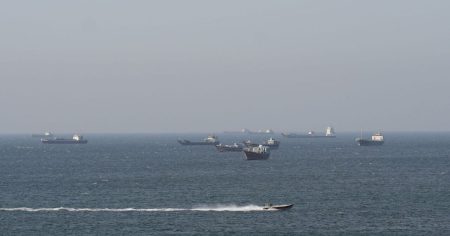
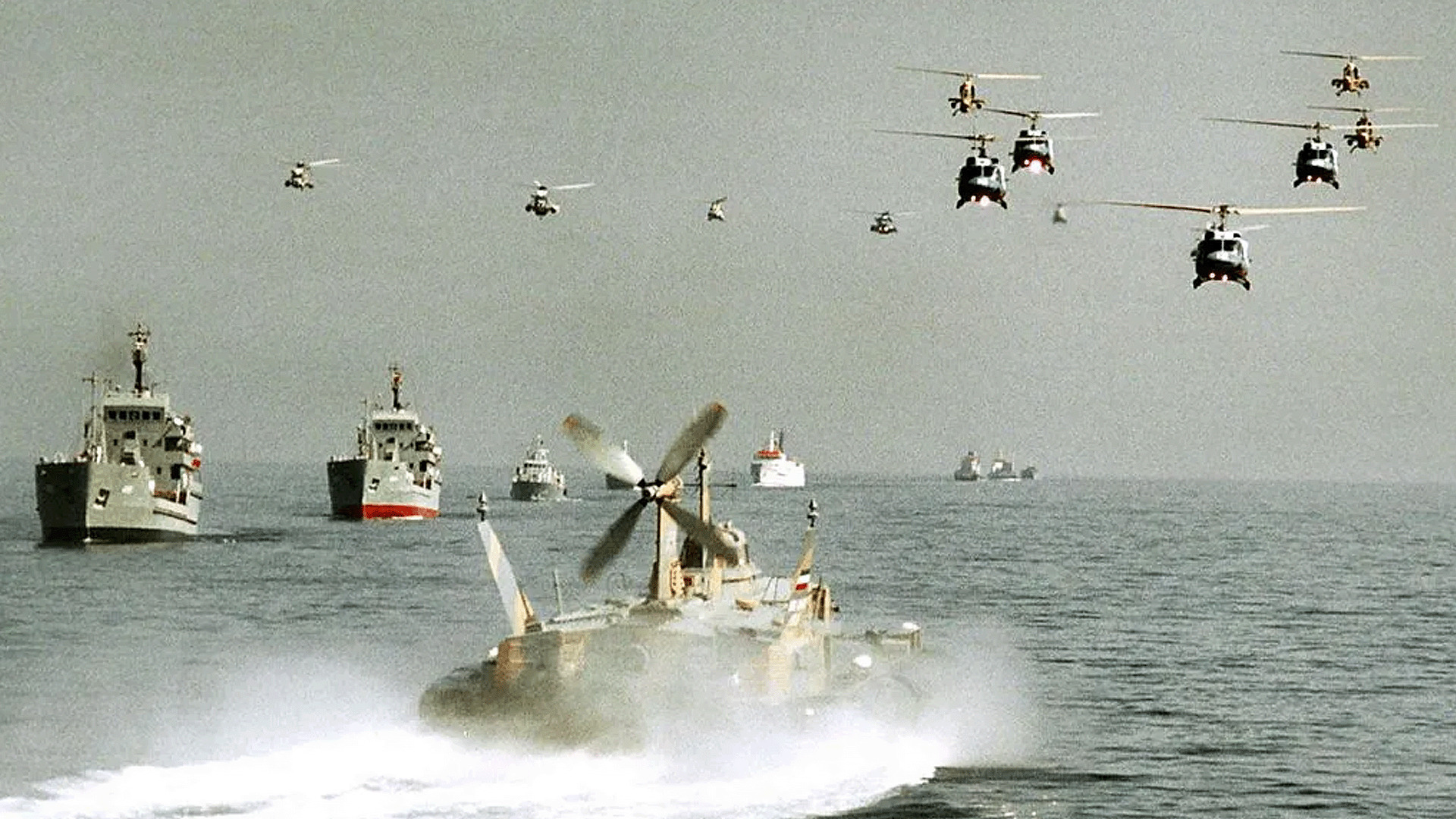
This isn’t just empty posturing. Iran has explicitly threatened to target American assets in the Gulf and the Sea of Oman, viewing them as legitimate military objectives. Furthermore, Tehran recently sent a stern message to regional countries, warning that providing any facilities or bases for a potential attack against Iran would make those areas part of Iran’s targeting bank. This demonstrates a willingness to broaden the scope of any potential conflict. The الوضع الأمني في الخليج (security situation in the Gulf) is becoming increasingly precarious.
الموقف الأمريكي: خيارات متعددة على الطاولة
Despite President Trump’s repeated statements expressing a desire to avoid military conflict, the US administration is actively preparing for all contingencies. White House correspondent, Wadad Waqfi, confirmed that the possibility of military confrontation remains real. The deployment of the Lincoln and its accompanying battle group is presented as a measure to enhance “regional security and stability” in response to Iranian threats.
Trump has reportedly requested his top military advisors to develop plans for “decisive” military operations, although the ultimate objectives of these operations remain unclear. This preparation is occurring alongside close monitoring of the situation in Tehran, particularly in light of threats to use “overwhelming force” should Iran proceed with executions of protestors. The US maintains that all options are on the table, a common diplomatic phrase that underscores the seriousness of the situation. This includes potential diplomatic efforts, but the military option is clearly being considered. The السياسة الأمريكية تجاه إيران (American policy towards Iran) is currently characterized by a mix of deterrence and preparation.
غموض الأهداف الأمريكية المحتملة
While the US is bolstering its military presence, the precise goals of any potential military action remain shrouded in ambiguity. Is the aim to dismantle Iran’s nuclear program? To curb its regional influence? Or simply to deter further aggression? The lack of clarity adds to the instability and increases the risk of miscalculation. Analysts suggest that the US is attempting to signal resolve without explicitly committing to a specific course of action.
سيناريوهات التصعيد المحتملة
Analysts on both sides agree that the region is on high alert. Iran asserts that the presence of US ships and military equipment in the Gulf and the Sea of Oman places them within range of its missiles, and that its armed forces – encompassing the army, the Revolutionary Guard, and the Basij militia – are prepared for all scenarios.
Meanwhile, the US continues to strengthen its military presence as a deterrent. The final decision, however, rests with President Trump, who has yet to commit to a specific course of action, despite keeping all options open. The potential for a miscalculation, a localized incident spiraling out of control, or a deliberate act of aggression remains a significant threat. The الأمن الإقليمي (regional security) is hanging in the balance.
الخلاصة: مستقبل غائم للخليج
The arrival of the USS Abraham Lincoln has undeniably escalated tensions in the Gulf. The increasingly assertive rhetoric from both Tehran and Washington, coupled with the military buildup, paints a picture of a region bracing for potential conflict. While both sides claim to desire de-escalation, the current trajectory is concerning.
It is crucial for all parties involved to exercise restraint and prioritize diplomatic solutions. The consequences of a military confrontation would be devastating, not only for Iran and the United States but for the entire region and the global economy. Continued dialogue, transparency, and a commitment to avoiding miscalculation are essential to navigating this dangerous period. We encourage readers to stay informed about this evolving situation and to engage in constructive discussions about potential pathways to peace and stability.