






The plight of Gaza’s fishermen has become a harrowing symbol of the ongoing crisis, a desperate struggle for survival overshadowed by conflict and restriction. In November, a group of five fishermen from Gaza, led by Ahmad Rashad al-Hissi, ventured out to sea in search of sustenance for their families, disappearing without a trace. Their story, highlighted by the British newspaper The Telegraph, underscores the daily dangers and increasing desperation faced by those who rely on the sea for their livelihood. This article delves into the circumstances surrounding their disappearance, the broader context of the Gaza fishermen’s struggle, and the impact of the ongoing blockade.
The Disappearance of the Al-Hissi Family and Growing Fears
The disappearance of Ahmad Rashad al-Hissi, along with his relatives Muhammad al-Hissi, Mahmoud al-Hissi, Alaa Rajab al-Hissi, and Muhammad Ahmad Talaba, has left their family in agonizing uncertainty. They departed on a routine fishing trip, hoping to provide for their families amidst the severe food shortages plaguing the Gaza Strip. However, a month has passed with no communication, no wreckage found, and no sign of the men or their boat.
The family fears the worst – that the fishermen were arrested by the Israeli Navy. If confirmed, this would bring the total number of fishermen detained since the ceasefire on October 11th to sixteen. This grim statistic is compounded by the already devastating loss of 65 fishermen killed by gunfire while fishing since the start of the war, as reported by The Telegraph. The lack of information and the potential for arbitrary detention add layers of trauma to an already vulnerable community.
Restrictions and the “Mood” of the Israeli Navy
The situation for Gaza fishermen is far from new. For years, they have operated under increasingly stringent restrictions imposed by the Israeli blockade. Initially allowed to fish up to six nautical miles, the permitted zone was reduced to just three nautical miles in 2018. Despite these limitations and the inherent risks, fishing remains a vital source of food and income for many Gazan families.
However, even within the permitted zone, safety is not guaranteed. The Telegraph reports that fishermen describe their work as being dictated by the “mood” of the Israeli naval forces. “Sometimes they are in a good mood and allow us to fish, but when their mood is bad, they shoot at us and arrest us,” explained Muhammad Murad al-Hissi, a cousin of the missing fisherman. This arbitrary enforcement creates a climate of fear and unpredictability, turning a necessary act of survival into a dangerous gamble.
The “Cat and Mouse” Game at Sea
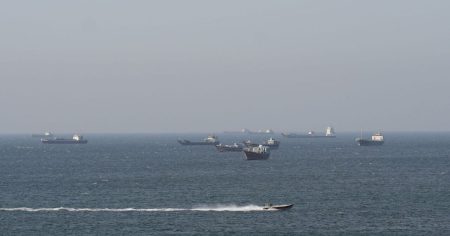
The report vividly portrays the ongoing dynamic as a “cat and mouse” game. Following the October 7th attacks, Israel completely banned fishing in Gaza. While some access has been restored, it remains precarious. Fishermen are forced to adopt strategies to minimize risk, such as venturing out in groups for mutual protection and displaying white flags on their boats to signal peaceful intent. They also attempt to avoid areas where people gather on the shore, fearing that any perceived gathering could be misinterpreted and lead to a violent response. These measures, while offering a degree of protection, highlight the constant state of alert and the erosion of dignity experienced by the fishing community in Gaza.
Devastating Impact on Gaza’s Fishing Industry
The war has inflicted significant damage on Gaza’s fishing infrastructure. The Gaza port has been largely destroyed, and fishermen have suffered millions of dollars in losses due to damaged or confiscated equipment. Before the war, Gaza produced over 4,600 tons of fish annually, according to the United Nations. Now, production has plummeted to just 7% of its former level, exacerbating the already dire food security situation.
The restrictions aren’t solely about physical access to fishing grounds. Data reveals that Israel has detained approximately 6,000 Palestinians under the “unlawful combatants” law as of May of this year. A significant portion of these detentions, The Telegraph notes, are not linked to any proven involvement in armed groups. This broader context of arbitrary detention adds to the anxiety and vulnerability of the fishermen and their families. A UN official, as reported by the newspaper, witnessed Israeli tanks directly firing upon fishermen in the water.
The Future Remains Uncertain
As international discussions focus on the future of Gaza, the blockade remains in place, perpetuating the cycle of danger and hardship for the Gaza fishermen. The situation is a stark reminder of the human cost of the conflict and the urgent need for a lasting resolution that addresses the root causes of the crisis.
The wife of Ahmad al-Hissi, like many others, simply desires news – any news – that confirms her husband is still alive. Their story, and the stories of countless other Gazan fishermen, demand attention and underscore the critical need for humanitarian access and a just and sustainable future for the people of Gaza.
This ongoing struggle highlights the importance of supporting organizations working to provide aid and advocate for the rights of the fishing community in Gaza. Sharing this information and raising awareness can contribute to a more informed and compassionate response to this critical humanitarian issue.