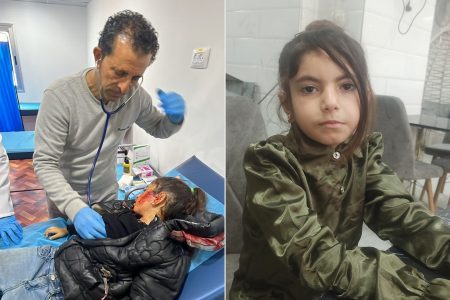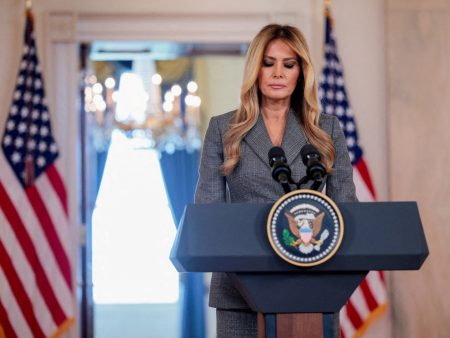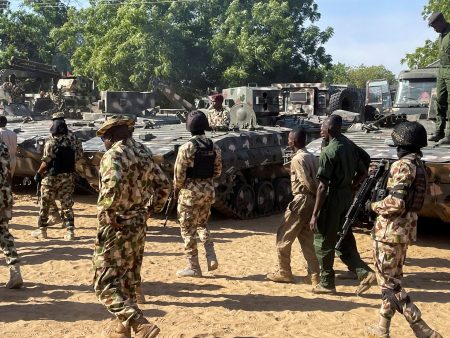






The international media landscape remains focused on a series of complex geopolitical events, with the situation in Gaza, the Israeli decision to ban humanitarian organizations, and the unfolding crisis in Venezuela taking center stage. This article will delve into these topics, drawing insights from prominent global newspapers and analyzing their potential long-term implications. Central to the discussions is the evolving dynamic of power and influence in the region, and how these events are impacting the lives of ordinary people and international relations. The continuous presence of Israeli drones over Gaza, in particular, is shaping the daily reality for Palestinian civilians.
Gaza Under Constant Surveillance: The Impact of Israeli Drones
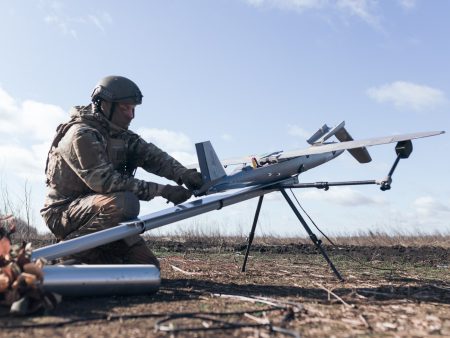
Recent investigations by the Israeli newspaper Haaretz highlight the pervasive and intensifying presence of Israeli drones in the airspace over the Gaza Strip. The report details how this constant aerial surveillance is deeply affecting the psychological wellbeing and daily lives of the region’s inhabitants. The drones aren’t limited to monitoring specific targets; their omnipresence has created a climate of perpetual observation.
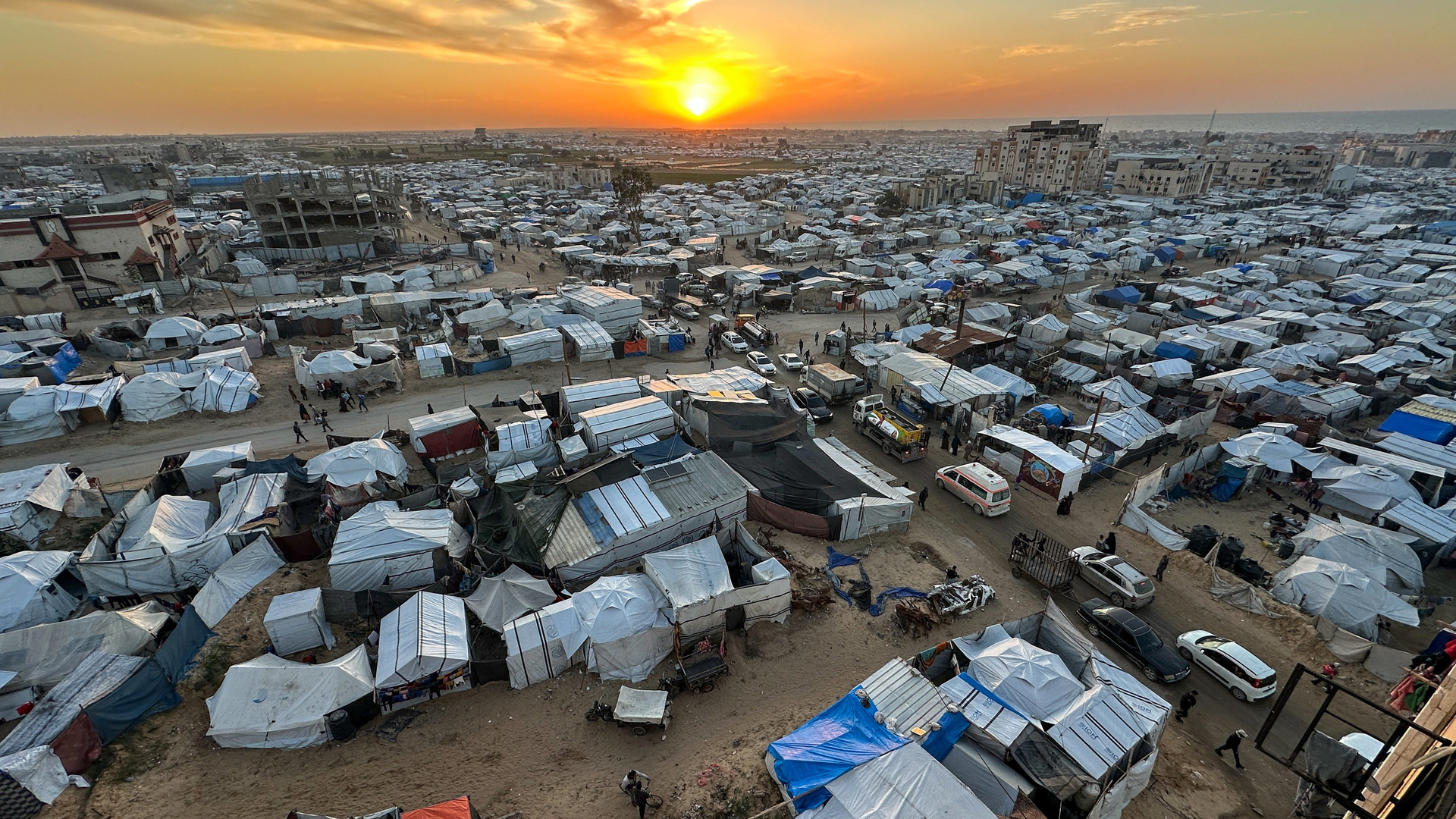
Palestinian residents interviewed by Haaretz described the unsettling feeling of being constantly watched. One individual remarked that while they’ve become accustomed to the buzzing sound, it serves as a consistent reminder of the surveillance overhead. Another expressed how fear escalates during nighttime, as the drones’ capabilities remain unknown, turning every movement into a potential risk. This sustained scrutiny creates a challenging environment, fostering anxiety and limiting freedom of movement for people in Gaza. The psychological toll of living under such intense surveillance is a significant concern, often overlooked in discussions surrounding the conflict.
The sheer scale of the drone operation signifies a strategic shift, moving beyond targeted strikes to implement a broader, continuous monitoring system. Understanding the implications of this shift is crucial to assessing future developments in the region. This is compounded by the already strained living conditions within the Gaza Strip, making the situation even more precarious.
The Ban on Humanitarian Organizations and its Consequences
The decision by Israel to prohibit approximately 40 international aid organizations from operating within the Palestinian territories has sparked widespread criticism. The Washington Post reports that this ban will immediately halt the vital work these groups were doing, impacting their ability to deliver crucial assistance and maintain a dedicated field presence. This measure is particularly concerning given the immense humanitarian needs in the area.
According to the report, the Israeli government is imposing new conditions for humanitarian work, including mandatory provision of employee data – both international and local staff. The organizations have largely refused to comply with these demands, citing concerns about the safety and security of their personnel. This impasse creates a complex situation that risks exacerbating the existing humanitarian crisis. The move raises questions about the intent behind the restrictions and the potential impact on the Palestinian population that relies on these organizations for basic support.
This situation emphasizes the importance of international humanitarian law and the need for unfettered access to deliver aid to vulnerable populations. The resulting lack of support could lead to increased hardship and instability.
Escalating Tensions in Lebanon: Potential for Military Intervention
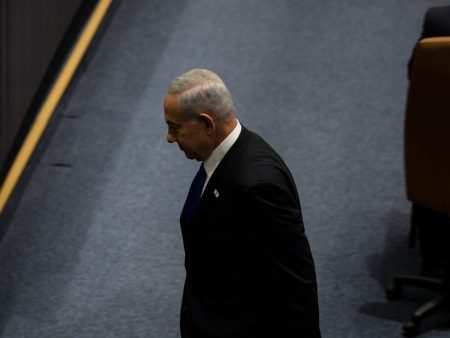
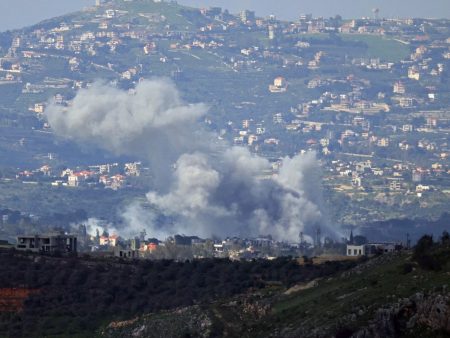
The situation in Lebanon continues to be a source of concern, as indicated by reporting in the Jerusalem Post. According to sources, Israeli Prime Minister Benjamin Netanyahu recently convened a meeting of the Security-Political Cabinet to discuss the outcome of his meeting with former US President Donald Trump.
The report suggests that Netanyahu secured Trump’s tacit approval for potential military action against Hezbollah, should the Lebanese army fail to disarm the group entirely. While the specifics remain confidential, this alleged agreement represents a significant escalation of the already tense relationship between Israel and Hezbollah. The possibility of a military intervention adds another layer of complexity and risk to the already unstable situation in Lebanon.
Venezuela: A Geopolitical Reversal and Shifting Power Dynamics
The events in Venezuela have drawn substantial attention from international analysts. The Guardian published an analysis emphasizing the divisions amongst European leaders regarding the recent political upheaval. While many welcomed the ousting of Nicolás Maduro, they simultaneously expressed reservations about the United States potentially violating international law, particularly concerning President Trump’s statements about controlling Venezuela’s resources.
The article points to a shift in global power dynamics, where self-interest seems to be increasingly prioritizing over established norms. It suggests that actions in Venezuela are establishing a new order dominated by the interests of a few major powers, with force being equated to right.
Meanwhile, Le Monde (France) views the situation as a double-edged sword for Russia. While the removal of Maduro weakens allies Russia considers defenders of international law, it also constitutes a geopolitical setback for Moscow, potentially losing a crucial ally and oil-rich partner.
Challenges for the US in Venezuela
From an American perspective, The Wall Street Journal points out the political challenges facing President Trump regarding the escalating situation in Venezuela. The newspaper notes that American voters are primarily focused on domestic economic issues—rising prices and a slowing job market—and a protracted involvement in Venezuela could prove politically costly.
Republican officials are reportedly cautioning Trump behind the scenes about the potential for Venezuela to become a long-term political liability. This suggests a growing awareness of the risks associated with a deeper intervention and a prioritization of domestic concerns. The Israeli drones situation, while geographically separate, exemplifies the complexity of governing with ongoing international involvement.
In conclusion, the current geopolitical landscape, as reported by leading international publications, is marked by heightened tensions and shifting power dynamics. The pervasive use of Israeli drones in Gaza, the restrictions on humanitarian aid, the potential for escalation in Lebanon, and the crisis in Venezuela all contribute to a climate of uncertainty and instability. These events underscore the importance of diplomatic engagement, adherence to international law, and a continued focus on the humanitarian consequences of political decisions. Further analysis and monitoring of these situations are vital to understanding their long-term implications for global security and cooperation. Readers are encouraged to follow updates from these trusted sources and to engage in informed discussions about these critical issues.