





The situation of Palestinian prisoners in Israeli jails remains a critical and often overlooked issue. A global digital campaign, “Red Ribbons,” launched on January 15th, 2026, aims to change that, uniting international voices under the hashtags #FreePalHostages and #الحريةللأسرى (Freedom for the Prisoners). This initiative seeks to highlight the plight of Palestinian detainees and push for their release or, at the very least, improved conditions of detention. The campaign builds on momentum gained since its initial launch in November 2025 by the Palestinian Forum in Britain, and is calling for a “Global Mobilization Day” on January 31st.
حملة الأشرطة الحمراء: تصعيد عالمي للمطالبة بإطلاق سراح الأسرى الفلسطينيين (The Red Ribbons Campaign: A Global Escalation Demanding the Release of Palestinian Prisoners)
The “Red Ribbons” campaign isn’t simply a call for the release of asra (prisoners); it’s a deliberate shift in framing the issue. Organizers are intentionally using the terms “hostages” and “abductees” – rehanin and mukhtatifin – instead of the more traditional “prisoners of war” or “detainees.” This linguistic strategy, according to campaign coordinator Adnan Humaidan, is rooted in the reality that many of those held are civilians – doctors snatched from hospitals, women and children taken from their homes, and students removed from university campuses. They are not combatants, and their detention is viewed as a form of unlawful abduction.
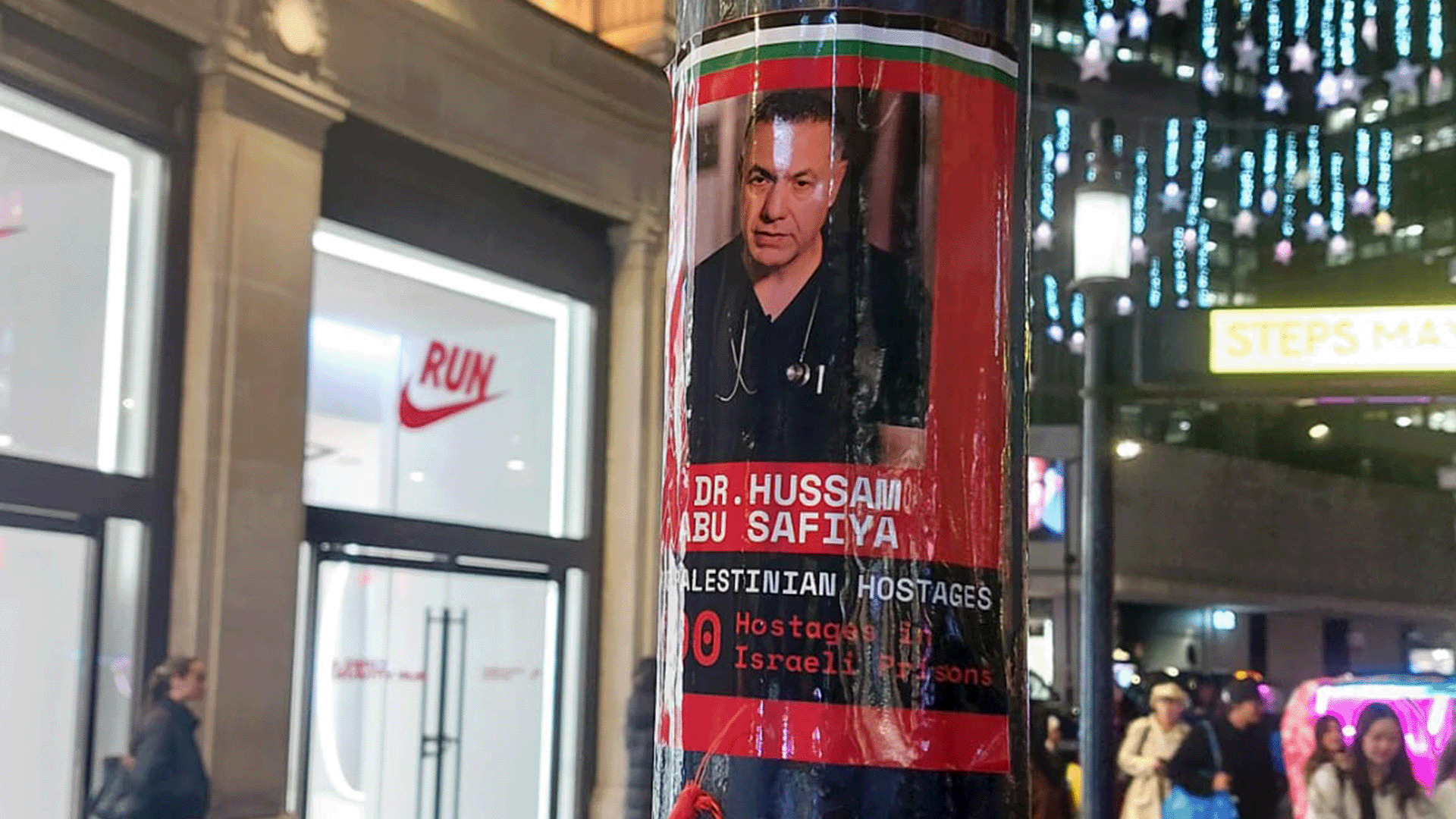
The campaign gained traction quickly, spreading beyond the UK to countries like Canada, Australia, and Sweden. This unexpected response has fueled a determination to intensify efforts and broaden the campaign’s reach. The visual element of the campaign – posters featuring prisoners surrounded by red ribbons – has been particularly effective in creating a lasting public presence. These posters have been strategically placed in public areas, including outside the British Parliament and at major train stations.
دوافع الحملة وتوقيتها: بعد اتفاق غزة (Campaign Motivations and Timing: After the Gaza Agreement)
The impetus for this renewed push stems from the ceasefire agreement reached in the Gaza Strip in March 2025. While the agreement led to the release of approximately 2,000 Palestinian prisoners, it left around 9,100 others in Israeli custody, facing an uncertain future. This disparity, coupled with reports of deteriorating conditions within the prisons, sparked outrage and a sense of urgency.
Humaidan emphasizes that the current political complexities necessitate direct public action. Testimonies from within the prisons paint a grim picture, describing conditions that have reportedly become “the worst on Earth” in the past two years, with allegations of severe abuses and crimes. The campaign aims to bypass political stagnation and appeal directly to global public opinion. The use of the term “hostages” is also a direct response to the Israeli Minister of National Security, Itamar Ben-Gvir, who replaced the yellow ribbon – a symbol of support for Israeli hostages held in Gaza – with an image of a hangman’s noose, signaling a dangerous escalation in rhetoric and potential intent.
رمزية اللون الأحمر: رسالة تحدٍ وتضامن (The Symbolism of Red: A Message of Challenge and Solidarity)
The choice of red as the campaign’s color is deeply symbolic. It represents the Palestinian flag, the blood shed in the ongoing conflict, and the universal desire for freedom. Furthermore, the vibrant color is designed to attract attention and serve as a counterpoint to the yellow ribbons associated with the Israeli hostages.
“If the world is raising the color yellow for them, our movement raises the color red and at its center carries the Palestinian flag to remind of the thousands of Palestinian hostages,” Humaidan explained. He highlighted the alarming “death penalty for prisoners” law being promoted by Ben-Gvir, and the disturbing fact that 100 Israeli doctors have reportedly volunteered to administer lethal substances to Palestinian prisoners. This underscores the urgent need for international intervention.
استهداف الرأي العام الغربي وصناع القرار (Targeting Western Public Opinion and Decision-Makers)
The campaign’s primary focus is on influencing public opinion and policymakers in Western countries, particularly in Europe and the UK. Organizers believe that public pressure in these nations, where citizens have the power to hold their governments accountable through elections, can be a powerful catalyst for change. To maximize its reach, the campaign is producing materials in both Arabic and English, aiming to become a truly global movement.
Activist Yafa Nabil stresses the importance of reviving the issue of Palestinian prisoners, which had been largely forgotten amidst recent events. She warns that without strong public opposition, the Israeli occupation will continue to commit atrocities that violate the fundamental rights and dignity of the Palestinian people. Nabil encourages individuals to change their profile pictures and utilize the campaign hashtags to raise awareness and build momentum. She also links this grassroots activism to the legal efforts being pursued by international lawyers in global courts.
بصيص أمل في ظل الظروف القاسية (A Glimmer of Hope Amidst Harsh Conditions)
For families of Palestinian prisoners, campaigns like “Red Ribbons” offer a much-needed glimmer of hope. Ikhlas al-Sayed, the wife of long-term prisoner Abbas al-Sayed, who is serving multiple life sentences, believes that such initiatives can help expose the crimes of the occupation and bring the issue of justice closer to reality.
She emphasizes that any effort to support the prisoners is valuable, especially after years of marginalization and silence that allowed the occupation to act with impunity. Al-Sayed expresses gratitude to everyone who stands in solidarity with the Palestinian cause and urges continued and escalated support to ensure that the plight of the prisoners remains at the forefront of international attention.
The current situation in Israeli prisons, particularly since October 7th, 2023, is dire. The number of detainees has soared, exceeding 11,000 at its peak, and reports of systematic torture, deliberate medical neglect, and starvation are deeply concerning. As of early 2026, data from prisoner advocacy groups indicates that approximately 9,300 Palestinians are held in Israeli prisons, including 350 children and 49 women. This campaign represents a crucial attempt to break the silence and demand accountability for the inhumane treatment of these rehanin and to advocate for their immediate and unconditional release.