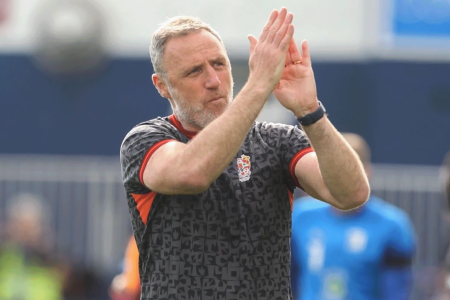








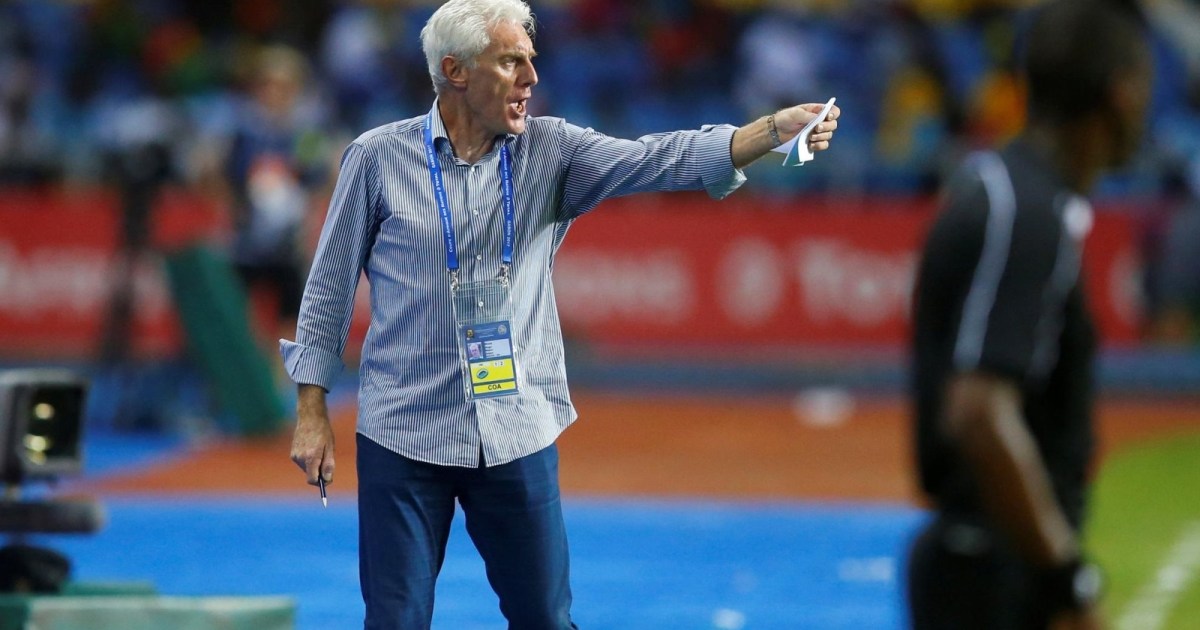
The controversy surrounding Belgian coach Hugo Broos and his recent statements has ignited a fierce debate in South Africa, prompting accusations of racism and sexism. The incident, stemming from a press conference following a player’s travel mishap, has escalated into a formal complaint filed with the South African Human Rights Commission. This article delves into the details of the Hugo Broos controversy, examining the statements, the backlash, and the South African Football Association’s (SAFA) response.
تفاصيل الأزمة: تصريحات هوغو بروس تثير الجدل
The core of the issue lies in comments made by Broos regarding young defender Mbekezeli Mbokazi, who missed his flight to join the national team, Bafana Bafana. Broos expressed considerable frustration, stating that Mbokazi’s actions were “another example of the unprofessional behaviour of many footballers in South Africa.” However, it was his subsequent remark – “He is a young black boy, but he will leave my office as a white boy, because I cannot accept this” – that sparked widespread outrage.
This statement was immediately interpreted by many as racially charged and deeply offensive, reopening old wounds in a country still grappling with the legacy of apartheid. The timing, just ahead of the Africa Cup of Nations 2025, added to the sensitivity of the situation. The phraseology used, particularly the comparison to “leaving as a white boy,” was seen as implying a need to “correct” or “discipline” Mbokazi based on his race.
الشكوى الرسمية وتدخل لجنة حقوق الإنسان
The United Democratic Movement (UDM), a party within the ruling coalition, formally lodged a complaint with the South African Human Rights Commission on December 11th. The complaint specifically cites Broos’s statements as potentially violating the Equality Act and constituting hate speech. The UDM argues that the comments perpetuate harmful stereotypes and contribute to a climate of racial discrimination.
The Human Rights Commission has confirmed it is investigating the matter, promising a thorough examination of the evidence and a fair hearing for all parties involved. This investigation could lead to sanctions against Broos, ranging from a formal apology to more severe penalties, depending on the Commission’s findings. The seriousness of the allegations cannot be understated, given South Africa’s history and constitutional commitment to equality.
رد فعل الاتحاد الجنوب أفريقي لكرة القدم (SAFA)
Faced with mounting pressure, SAFA swiftly issued a lengthy statement defending Broos. The association vehemently denied any racist or sexist intent behind the coach’s words, claiming they were “misconstrued and taken out of context.” SAFA maintained that Broos was solely addressing issues of discipline, professionalism, and career management, particularly in the context of preparing for the upcoming AFCON tournament.
Furthermore, SAFA pointed to a “language barrier” as a contributing factor to the misunderstanding, suggesting that Broos struggled to articulate his thoughts precisely. They also highlighted the role of the media and political circles in amplifying the controversy. This defense, however, has been met with skepticism by many, who argue that the coach’s words were clear enough to be considered offensive regardless of linguistic nuances.
الانتقادات الإضافية وتصعيد الأزمة
The situation escalated further when Broos directed criticism towards Mbokazi’s agent, a woman, stating, “I know the reason for all this… this (small woman) is his agent, and she thinks she understands football. If she were smarter, she would wait until the end of the tournament to receive offers, what will he do in Chicago? He’s not even in the best teams in the United States. He is not a good option.”
This remark was widely condemned as sexist and belittling, adding another layer of complexity to the Hugo Broos controversy. Critics pointed out the inherent bias in dismissing a woman’s expertise in a traditionally male-dominated field. The combination of alleged racial and gender discrimination has fueled calls for Broos’s resignation or dismissal.
حساسية قضية العرق في جنوب أفريقيا
The intensity of the reaction to Broos’s comments underscores the enduring sensitivity surrounding race relations in South Africa. Thirty years after the end of apartheid, the country continues to grapple with systemic inequalities and the psychological scars of racial segregation. Any perceived instance of racial bias, particularly from a figure in the public eye, is likely to be met with strong condemnation.
The incident serves as a stark reminder that the fight against racism is far from over and that vigilance is required to prevent the resurgence of discriminatory attitudes. The debate surrounding Broos’s statements has reignited conversations about representation, privilege, and the ongoing need for reconciliation.
الخلاصة: تداعيات الأزمة ومستقبل هوغو بروس
The Hugo Broos controversy has undoubtedly cast a shadow over South African football. While SAFA has attempted to defend the coach, the damage to his reputation and the potential for long-term repercussions are significant. The investigation by the Human Rights Commission will be crucial in determining the extent of his liability and shaping the future of his career in South Africa.
This incident highlights the importance of cultural awareness and sensitivity, particularly for individuals in leadership positions. It also underscores the power of language and the need to carefully consider the potential impact of one’s words. The outcome of this case will likely set a precedent for how similar incidents are handled in the future, reinforcing the commitment to equality and non-discrimination within South African society. The situation remains fluid, and further developments are expected as the investigation progresses.
Keywords: Hugo Broos controversy, South African Football Association (SAFA), Bafana Bafana, racism in football, sexism in sports, Africa Cup of Nations 2025.