






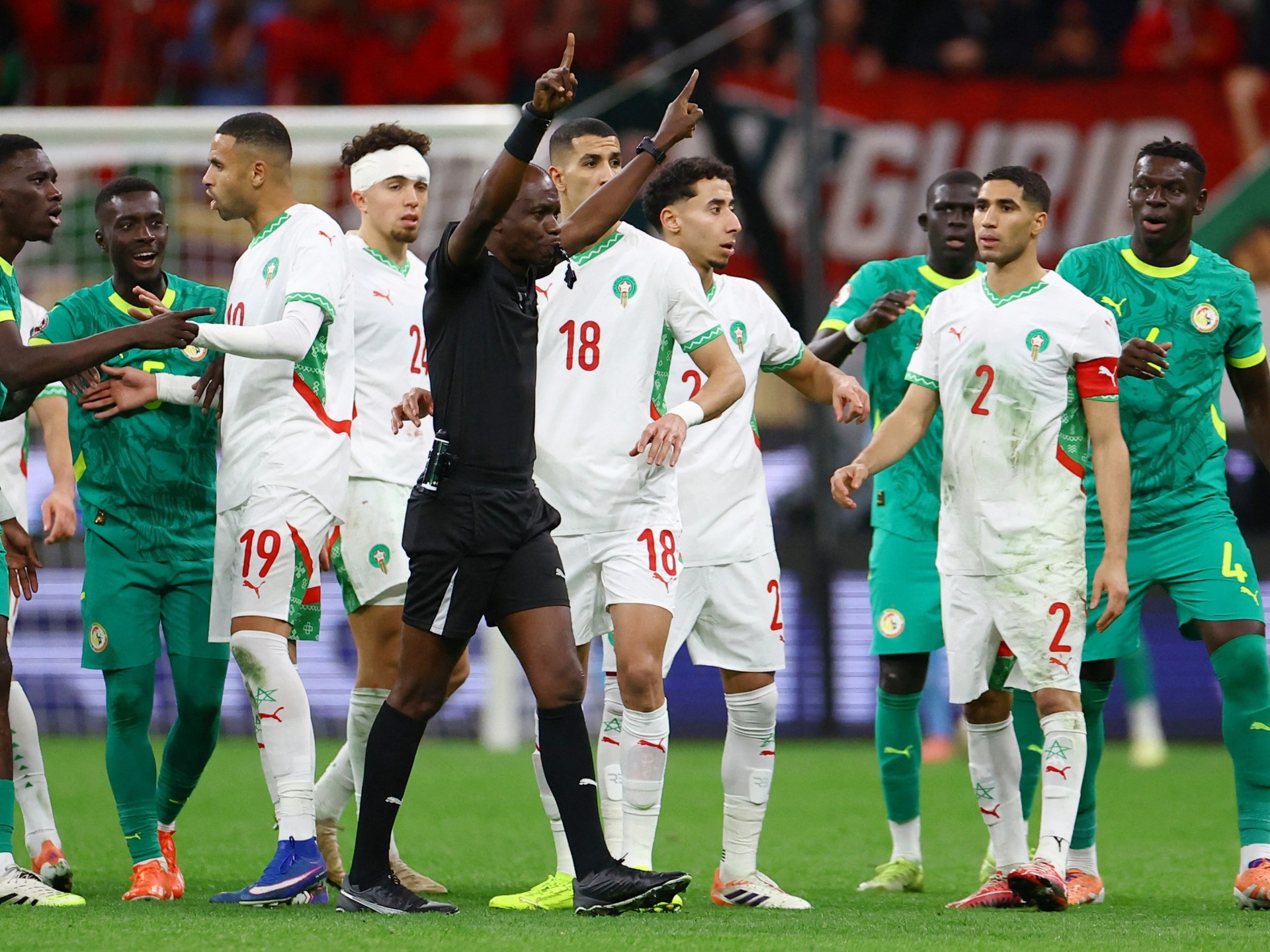
The final whistle of the Africa Cup of Nations (AFCON) final between Morocco and Senegal didn’t end the contest; instead, it ignited a battle shifting from the green pitch to the legal corridors of the Confederation of African Football (CAF). While Senegal celebrated their victory on the field with a 1-0 win over Morocco, the aftermath of the controversial final has sparked a complex legal crisis initiated by the Moroccan Football Federation, aiming to challenge Senegal’s actions, a situation that has embarrassed both CAF President Patrice Motsepe and FIFA President Gianni Infantino, who were present at the event. This article delves into the details of this unfolding situation, focusing on Morocco’s legal challenge and its potential ramifications.
Morocco’s “Legal Siege” of Senegal Following AFCON Final
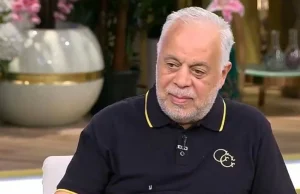
According to Tariq Al-Deeb, a sports governance consultant and former head of information at CAF, the events surrounding the final represent a significant setback for African football. He emphasized in exclusive statements to Al Jazeera Net that the presence of Infantino in the stands made the situation particularly awkward for Motsepe. “The sight of one team leaving the field is reminiscent of scenes from the 70s and 80s, which we thought we had moved past,” he stated.
While Video Assistant Referee (VAR) technology is intended to safeguard the technical decisions of referees, it failed to protect CAF’s credibility in the eyes of the public. This fueled narratives of “conspiracy,” despite the referee’s decision regarding the penalty being correct, leading to Senegal’s walk-off, with only captain Sadio Mané remaining.
Beyond Protest: A Comprehensive Legal Maneuver
Drawing on his extensive 23-year experience at CAF, including contributions to organizing 22 major tournaments, Al-Deeb explained that the legal memorandum being prepared by the Royal Moroccan Football Federation isn’t merely a protest. It’s a comprehensive legal maneuver designed to discipline Senegal.
He clarified that Morocco isn’t necessarily aiming to have Senegal’s title revoked – a difficult task – but is focusing on four key areas to inflict substantial disciplinary losses. The primary goal of the “Atlas Lions” is to achieve a legal victory that asserts Morocco’s organizational authority and sets a precedent, making Senegal a cautionary tale through stringent penalties. This is a clear demonstration of Morocco’s legal challenge extending beyond the immediate result.
The Four Pillars of Morocco’s Case
The Moroccan legal team is building its case around the following points:
- Article 148: Unsportsmanlike Conduct: The act of leaving the field, regardless of any subsequent return, is being framed as “unsportsmanlike conduct” under CAF regulations.
- Article 133: Damage to the Reputation of the Game: The incident is being presented as “tarnishing the reputation of the game” on a global stage, particularly in the presence of FIFA officials. The empty field in front of the FIFA President is considered significant damage to the tournament’s brand. Morocco argues that leniency in punishment would set a dangerous precedent, jeopardizing future investment and sponsorship rights.
- Security Concerns: Senegal’s walk-off is being interpreted as “incitement” that threatened the safety of the 60,000 enthusiastic fans and organizers present. Legally, such an action during a major continental final is categorized as “high-risk behavior” with the potential to escalate into riots or disasters.
- Provocation and Escalation: The Moroccan argument highlights their own restraint in the face of provocation. They contend that Senegal’s actions jeopardized public safety, justifying harsher financial and administrative penalties. Furthermore, they are seeking to extend the suspension of Senegal’s coach, Aliou Cissé, to include the 2026 World Cup, citing FIFA regulations. This aspect of Morocco’s legal challenge is particularly aggressive.
Morocco Claims the “Moral and Legal Victory”
Al-Deeb concluded by stating that while Senegal will retain their second star on their jersey, the cost could be substantial, particularly for head coach Aliou Cissé, who faces a potentially lengthy ban due to his role in leading the team off the pitch.
However, Morocco appears to have already secured a “moral and legal victory.” The Moroccan Football Federation aims to compel CAF to strengthen its regulations in the future and solidify Morocco’s image as an organizationally and ethically disciplined nation. This serves the Kingdom’s ambitions and preparations for hosting the 2030 World Cup, demonstrating their capability to manage high-stakes events responsibly. The broader implications of this Morocco’s legal challenge are therefore significant for the future of African football governance.
The Future of AFCON and Disciplinary Measures
The outcome of this legal battle will undoubtedly have a lasting impact on the organization and disciplinary procedures of AFCON. The incident has raised serious questions about player conduct, the role of VAR in maintaining credibility, and CAF’s ability to enforce its regulations effectively. The secondary keyword, AFCON regulations, is central to this debate.
Furthermore, the situation highlights the growing importance of sports governance in Africa, and the need for transparency and accountability in decision-making processes. Morocco’s assertive approach is likely to encourage other nations to scrutinize CAF’s actions more closely and demand stricter adherence to the rules.
Ultimately, this controversy serves as a wake-up call for CAF, urging them to address the underlying issues that led to this crisis and prevent similar incidents from occurring in the future. The resolution of Morocco’s legal challenge will be closely watched by the entire football community.