





The recent developments surrounding Venezuela and its oil reserves have sent ripples through the global energy market and ignited a complex geopolitical situation. Following a surprising turn of events, including a US military operation and diplomatic overtures, the United States appears poised to significantly increase its influence over Venezuela’s vast oil resources. This article delves into the details of the unfolding situation, examining the agreements reached, the political maneuvering, and the potential implications for both countries and the wider world.
اتفاقيات النفط الجديدة: صفقة الطاقة الكبرى مع فنزويلا
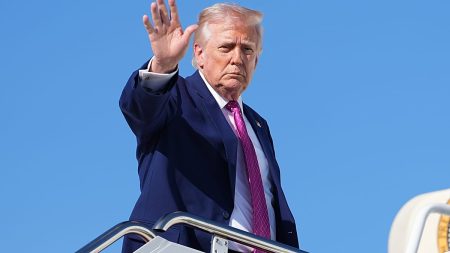
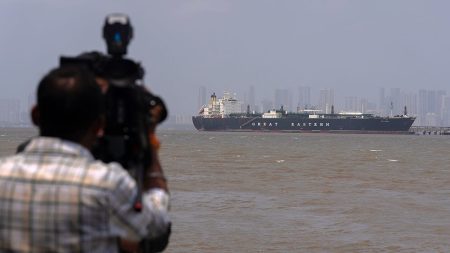
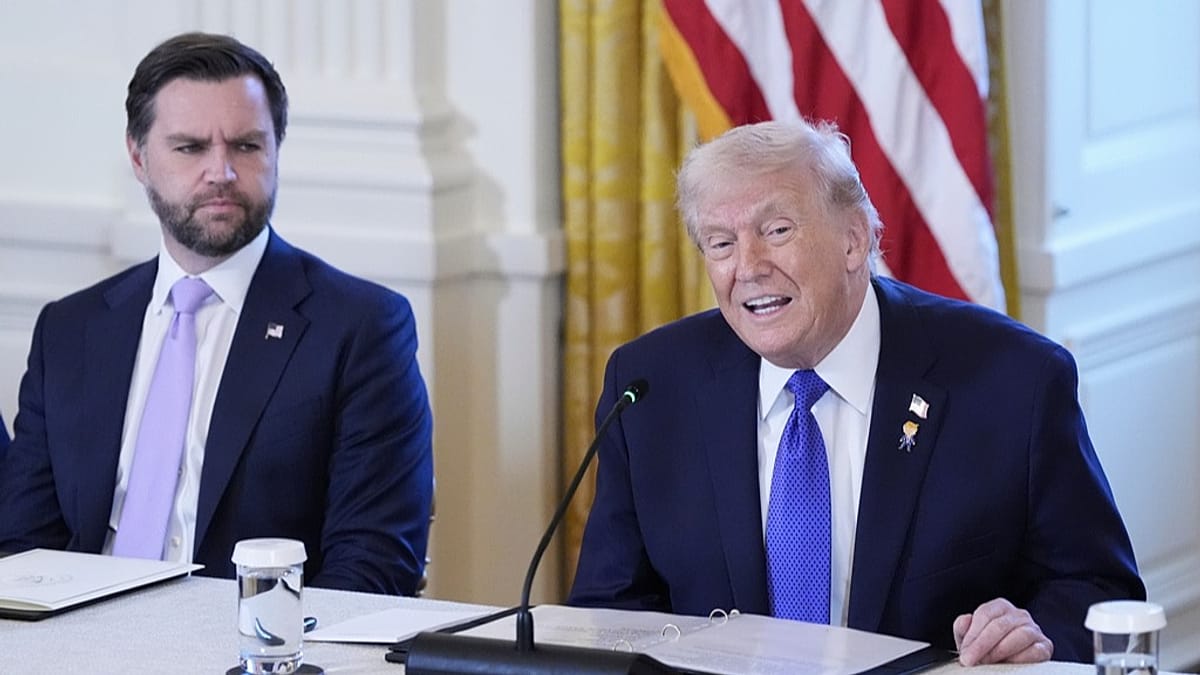
Donald Trump announced on Friday that Venezuela has agreed to allow US companies to begin immediately refining Venezuelan oil. The agreement encompasses the refining and sale of 50 million barrels of Venezuelan oil, a volume expected to continue indefinitely. He further stated that 30 million barrels are already en route to the United States. This move, framed as a “great energy deal,” signals a dramatic shift in US policy towards Venezuela, previously characterized by sanctions and diplomatic isolation. Trump emphasized a positive atmosphere in dealings with both the Venezuelan leadership and its people, hinting at future discussions regarding US investment in rebuilding Venezuela’s oil sector. He believes increased oil production will contribute to lowering global energy prices.
The sheer scale of Venezuela’s oil reserves – described by Trump as “huge and massive,” ranking among the largest globally – is a key driver behind this renewed engagement. He claimed that combined with Venezuela, the US would control 55% of the world’s oil reserves. Trump also alluded to the recovery of previously seized US oil assets in Venezuela, stating, “We are taking them back now.”
التحركات العسكرية والدبلوماسية: اعتقال مادورو وفتح قنوات الاتصال
The announcement of the oil deal was preceded by a bold US military operation in Caracas, resulting in the arrest of President Nicolás Maduro and his transfer to New York to face charges related to drug trafficking. This operation, while lauded by opposition forces, resulted in reported casualties, with official figures indicating at least 100 deaths.
Simultaneously, high-level US officials visited Caracas. According to an anonymous US official, John McNamara, a senior diplomat based in neighboring Colombia, led a delegation to assess the feasibility of reopening the US embassy, which has been closed since 2019. The reopening would be phased, beginning with logistical evaluations. The Venezuelan Foreign Ministry confirmed the arrival of the US diplomatic mission for logistical assessments and announced its intention to send a reciprocal mission to the United States. The Ministry stressed the importance of peaceful resolution through diplomatic channels.
ترامب والمعارضة الفنزويلية: موازنة القوى السياسية
Trump’s approach has also involved engaging with the Venezuelan opposition. He announced his anticipation of meeting with María Corina Machado, a prominent opposition leader and 2025 Nobel Peace Prize laureate, next week. However, he expressed reservations about her current ability to lead the country, citing a perceived lack of popular support within Venezuela.
Opposition figures in exile, such as Edmundo González, insist that any political transition must acknowledge the opposition’s claimed victory in the 2024 presidential election, which was disputed by Maduro amid widespread allegations of fraud. González claims to have detailed voting records supporting these allegations. He briefed Spanish Prime Minister Pedro Sánchez on the need for international recognition of the election results, with Sánchez pledging support for a peaceful, Venezuelan-led transition.
التعاون مع رودريغيز وتأثيره على المعارضة
Interestingly, Trump appears to be prioritizing cooperation with Delcy Rodríguez, Venezuela’s acting president, over traditional opposition leaders. Analysts suggest this approach is linked to Caracas’ willingness to cooperate with Washington, particularly regarding access to its energy sector. Reports indicate the US administration aims to gain influence over the Venezuelan state oil company, PDVSA, granting the US direct leverage over the region’s oil reserves. Rodríguez, however, maintains that Venezuela is “not subject to” the United States. This highlights the delicate balance of power and the ongoing negotiations.
الآثار المترتبة على صفقة النفط والخطوات المستقبلية
The implications of this shift in US-Venezuela relations are far-reaching. Beyond the immediate impact on global oil supply and prices, the agreement could reshape the political landscape of Venezuela. While the US claims its actions are aimed at restoring democracy, critics argue that the focus on oil access overshadows genuine concerns for human rights and political freedom.
The success of this new approach hinges on several factors, including the continued cooperation of Venezuelan officials, the ability to navigate the complex political dynamics within Venezuela, and the willingness of the US to invest in the long-term reconstruction of the country’s oil infrastructure. The coming weeks and months will be crucial in determining whether this “great energy deal” will lead to a more stable and prosperous Venezuela, or simply a new chapter in its ongoing political and economic turmoil. The situation remains fluid, and continued monitoring of developments is essential for understanding the evolving dynamics of this critical region.
This article provides a comprehensive overview of the recent developments, offering insights into the motivations and potential consequences of the US-Venezuela agreement. For further information on Venezuela’s political situation, you can explore resources from [insert link to reputable news source about Venezuela here]. Stay tuned for updates as this story unfolds.