





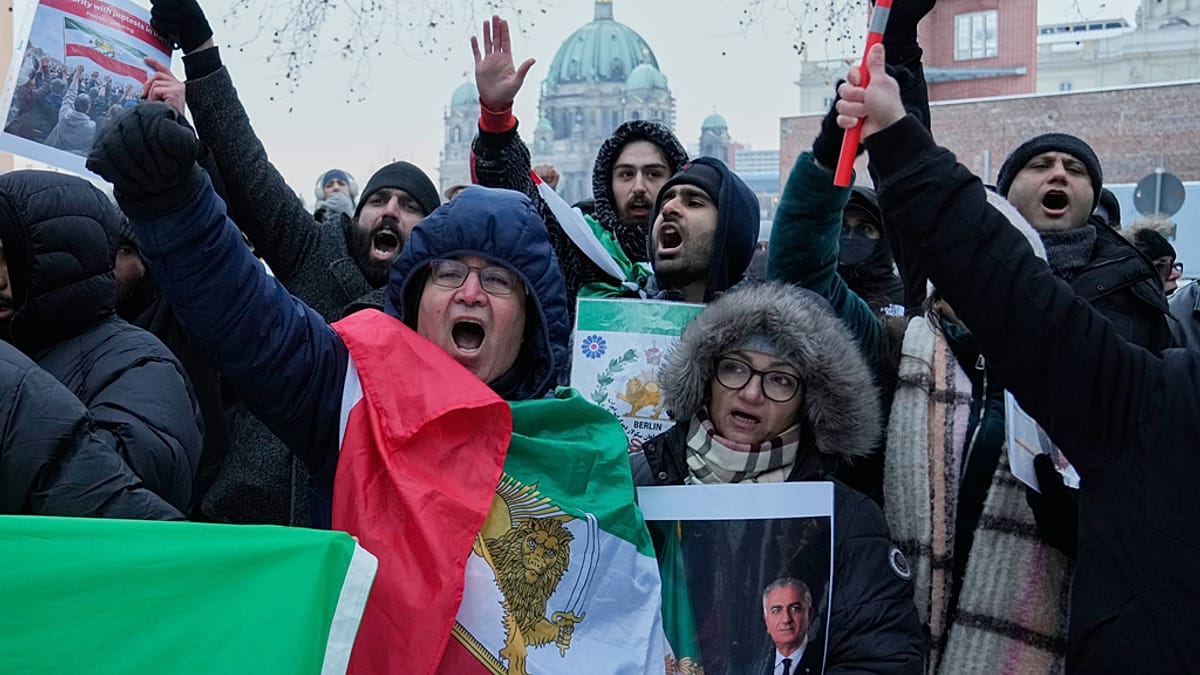
The escalating unrest in Iran continues to draw international concern, with reports of increasing violence against protestors and a near-total internet shutdown. The situation, sparked by recent events, has led to widespread demonstrations across the country, met with a harsh response from Iranian security forces. This article will delve into the details of the احتجاجات إيران (Iran protests), the international reaction, and the growing fears for the safety of Iranian citizens.
قلق دولي متزايد بشأن احتجاجات إيران
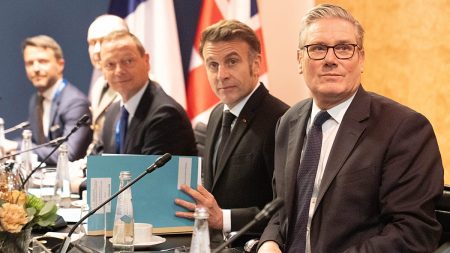
Three European nations – France, Germany, and the United Kingdom – have voiced deep concern over reports of violence used by Iranian security forces against protestors. In a joint statement released by French President Emmanuel Macron, British Prime Minister Keir Starmer, and German Chancellor Friedrich Merz, they strongly condemned the killing of protestors and urged Iranian authorities to exercise restraint. The statement emphasized Iran’s responsibility to protect its population and guarantee freedom of expression and peaceful assembly without fear of reprisal.
However, monitoring the situation within Iran has become exceedingly difficult due to the nationwide internet blackout, which remains in effect. This deliberate disruption of communication is raising alarm bells internationally, hindering independent verification of events on the ground and potentially enabling further abuses.
ارتفاع عدد القتلى وتصاعد العنف
The human cost of the احتجاجات إيران is tragically rising. The Norway-based human rights organization, Iran Human Rights, reports that over 50 protestors have been killed in approximately two weeks of demonstrations. Specifically, the organization states that at least 51 protestors, including nine children under the age of eighteen, have lost their lives, with hundreds more injured. This figure represents an increase from their previous report of 45 fatalities.
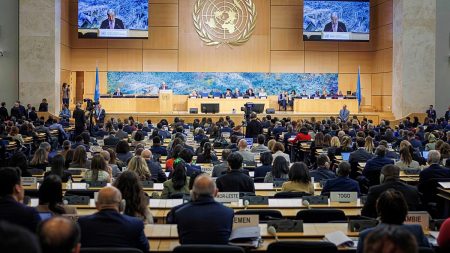
The United Nations has also called for an independent investigation. UN High Commissioner for Human Rights Volker Türk has demanded a “swift, independent and transparent” investigation into the deaths of protestors during the ongoing demonstrations. He stressed the need to hold those responsible for violations accountable under international standards and expressed concern over the continued internet shutdown.
حجب الإنترنت وتأثيره على المعلومات
The near-complete internet blackout imposed by Iranian authorities is a significant development. NetBlocks, an organization that monitors global network connectivity, confirmed that internet access has been severely restricted across the country for the past 24 hours amidst the ongoing احتجاجات إيران. Connectivity has plummeted to approximately 1% of normal levels.
This deliberate disruption isn’t merely a technical issue, but a calculated tactic, according to Nobel Peace Prize laureate Shirin Ebadi. She warned of the potential for a “massacre” under the cover of the widespread communication outage. Ebadi, currently in exile, reported receiving information about hundreds being transferred to a Tehran hospital on Thursday with “serious eye injuries” caused by shotgun pellets. This suggests a particularly brutal response to protestors.
مطالبات بالتدخل الخارجي
As the situation deteriorates, calls for external intervention are growing. Reza Pahlavi, son of the late Shah of Iran, directly appealed to U.S. President Donald Trump for urgent assistance. He posted on social media, urging the President to pay attention, offer support, and take action to help the Iranian people.
Pahlavi called on people to take to the streets to fight for their freedom and pressure security forces with their numbers, stating they did so the previous night. He acknowledged previous threats against the regime but emphasized the urgency of the situation, stating that people would return to the streets within the hour and requesting assistance. This plea highlights the desperation felt by some Iranians who believe international pressure is crucial to ending the violence. The issue of external intervention remains a sensitive one, with varying opinions on its effectiveness and potential consequences.
تداعيات أوسع نطاقاً و مستقبل الاحتجاجات
The احتجاجات إيران are not simply a response to immediate triggers; they represent a deep-seated frustration with the political and economic conditions within the country. Years of economic hardship, coupled with restrictions on personal freedoms, have created a volatile environment. The current crackdown risks further fueling this discontent and potentially leading to a prolonged period of instability.
The international community faces a difficult balancing act. While respecting Iran’s sovereignty, there is a growing consensus that the human rights violations occurring require a strong and unified response. This includes supporting independent investigations, imposing targeted sanctions on those responsible for the violence, and advocating for the restoration of internet access.
Ultimately, the future of the protests and the fate of Iran remain uncertain. However, the current situation underscores the urgent need for dialogue, respect for human rights, and a genuine effort to address the grievances of the Iranian people. Continued monitoring of the situation and a commitment to supporting those advocating for peaceful change are essential in the days and weeks to come.
This article aims to provide a comprehensive overview of the current situation in Iran, focusing on the protests and the international response. For further information and updates, please refer to reputable news sources and human rights organizations.