



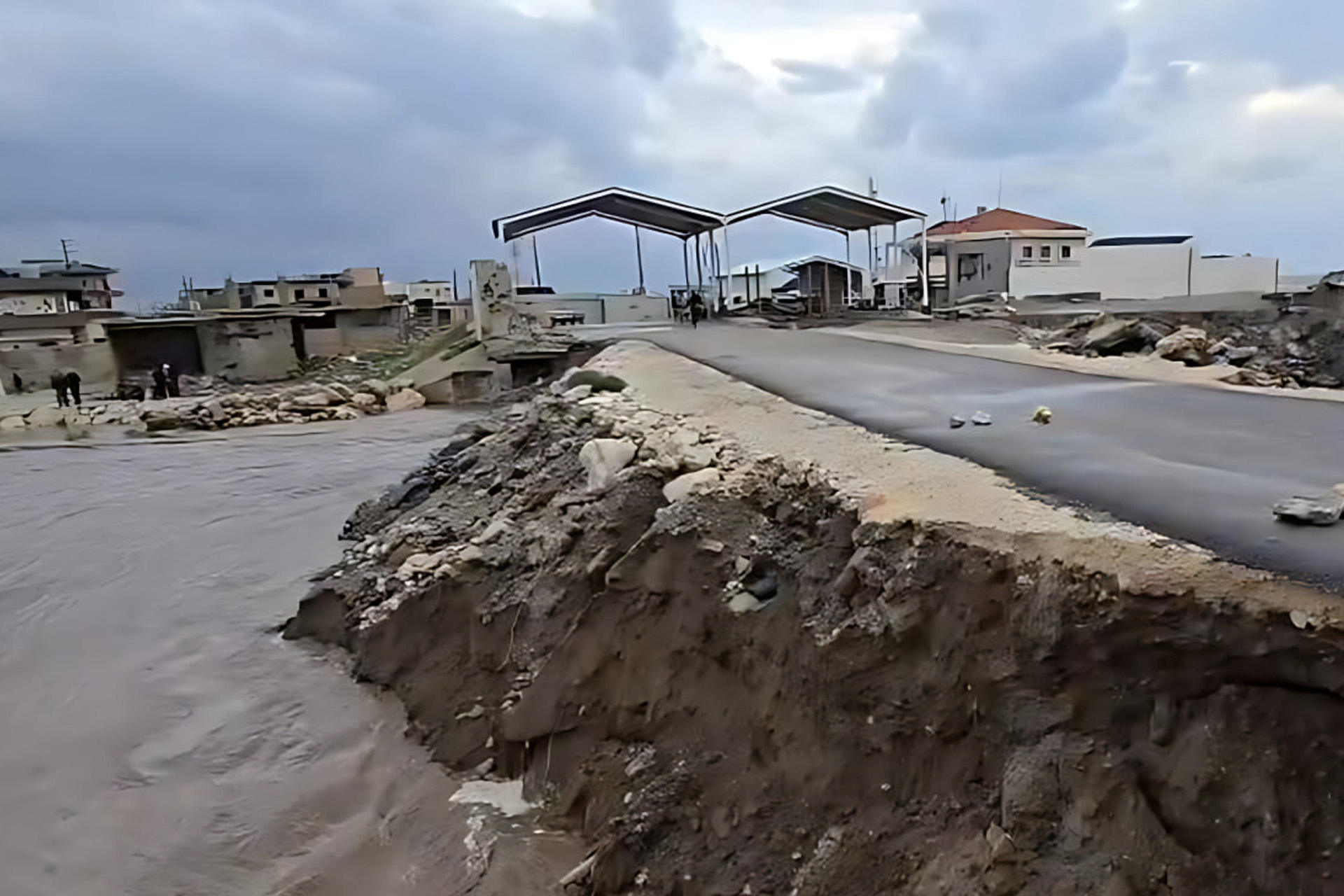
The recent severe weather conditions impacting the Levant region have led to significant disruptions, most notably the temporary closure of the Al-Araida border crossing between Syria and Lebanon. The closure, resulting from damage to the connecting bridge caused by torrential rains and rising water levels in the Al-Kabir Al-Janoubi River (Southern Grande River), highlights the vulnerability of infrastructure to extreme weather events. This article provides a comprehensive overview of the situation at the منفذ العريضة (Al-Araida Border Crossing), alternative routes for travelers, and the broader context of the ongoing weather crisis.
أسباب إغلاق منفذ العريضة (Reasons for the Closure of Al-Araida Border Crossing)
The decision to halt traffic at the Al-Araida border crossing was a preventative measure taken by the Syrian General Authority of Border Crossings and Customs. The rapid increase in water levels within the Al-Kabir Al-Janoubi River, exacerbated by recent heavy rainfall, inflicted damage on the bridge serving as the crucial link between the Syrian and Lebanese sides of the crossing.
This damage posed a direct threat to the safety of travelers. Continuing operations, even with reduced capacity, would have been irresponsible given the potential for further structural compromise. The Syrian authorities swiftly reacted, prioritizing public safety and initiating assessments to determine the extent of the damage and formulate a repair plan. This proactive response is commendable, reflecting a commitment to ensuring the well-being of those utilizing the border facilities. The conditions were deemed too dangerous to allow passage.
تأثير الفيضانات (Impact of the Floods)
The powerful polar low-pressure system sweeping across the region has brought unprecedented levels of precipitation and snowfall. These conditions inevitably led to widespread flooding in various areas, including those surrounding the Al-Kabir Al-Janoubi River. The river’s surge not only compromised the bridge at Al-Araida but also threatened other infrastructure along its banks. This highlights the need for increased investment in maintaining and strengthening vital infrastructure to withstand increasingly frequent and intense weather events. Understanding the الوضع الجوي (weather situation) is key to addressing these challenges.
بدائل السفر عبر المنافذ الأخرى (Alternative Travel Routes Via Other Border Crossings)
For travelers affected by the closure of the منفذ العريضة (Al-Araida Border Crossing), the Syrian authorities have identified two alternative routes: the Jousseh Crossing (west of Homs) and the جديدة يابوس (Jadeed Yabous) crossing in the western Rif Dimashq (Damascus countryside).
Both crossings are currently operational, facilitating daily travel between 6:00 AM and 12:00 AM. This provision ensures that essential travel can continue despite the disruption at Al-Araida. However, it’s important to note that these alternative routes may experience increased congestion due to the diverted traffic flow.
Travelers are strongly advised to plan their journeys accordingly, allowing for extra travel time and potential delays. They should also check for any updated information regarding the capacity and conditions at these alternative crossings before commencing their travel. The increased traffic may lead to longer أوقات الانتظار (waiting times) at the alternative borders.
الحملة الجوية القطبية وتداعياتها (The Polar Weather Campaign and its Repercussions)
Syria is currently experiencing a particularly strong and active polar low-pressure system. This system is characterized by heavy snowfall and extensive rainfall. The resulting floods have impacted not only the Al-Araida crossing but also other regions across the country. The challenging ظروف الطقس (weather conditions) have caused specific infrastructural problems.
The severity of the situation underscores the importance of preparedness and effective disaster management strategies. Coordinating efforts between relevant authorities, providing timely warnings to the public, and ensuring access to emergency services are crucial steps in mitigating the impact of such events. Furthermore, proactive measures to reinforce vulnerable infrastructure, such as bridges and roads, are essential for building resilience against future extreme weather.
تحديثات حول الوضع وإعادة فتح المنفذ (Updates on the Situation and Reopening the Crossing)
The Syrian General Authority of Border Crossings and Customs continuously monitors the situation at the Al-Araida crossing. Technical teams are actively assessing the damage to the bridge and developing a plan for repairs. As of the last update, the precise timeline for reopening the crossing remains uncertain and is contingent on the completion of the necessary repairs and ensuring the absolute safety of travelers.
The authorities are committed to providing regular updates on the progress of the repair work. Travelers are urged to stay informed through official channels, such as the website of the Syrian General Authority of Border Crossings and Customs and reliable news sources. Checking for real-time تحديثات المنافذ (border crossing updates) will be crucial for informed travel planning. Patience and understanding are appreciated as authorities work diligently to restore normal operations at the منفذ العريضة (Al-Araida Border Crossing).
In conclusion, the temporary closure of the Al-Araida border crossing serves as a critical reminder of the powerful impact of extreme weather events. While disruptions are inevitable, the Syrian authorities are actively working to mitigate the effects, providing alternative routes, and prioritizing the safety of travelers. Staying informed about the الوضع الجوي (weather situation) and following official updates will ensure a smoother transition for those affected by the closure. We encourage readers to share this information to help others navigate the current situation.