


The situation in Iran remains highly volatile, with recent reports detailing escalating tensions between the government and protestors. The ongoing unrest, sparked by economic grievances, has evolved into a widespread challenge to the Iranian leadership. This article will delve into the latest developments, including arrests, casualties, international reactions, and government responses, focusing on the احتجاجات إيران (Iran Protests).
تطورات الاحتجاجات في إيران: اعتقالات وتصعيد في العنف
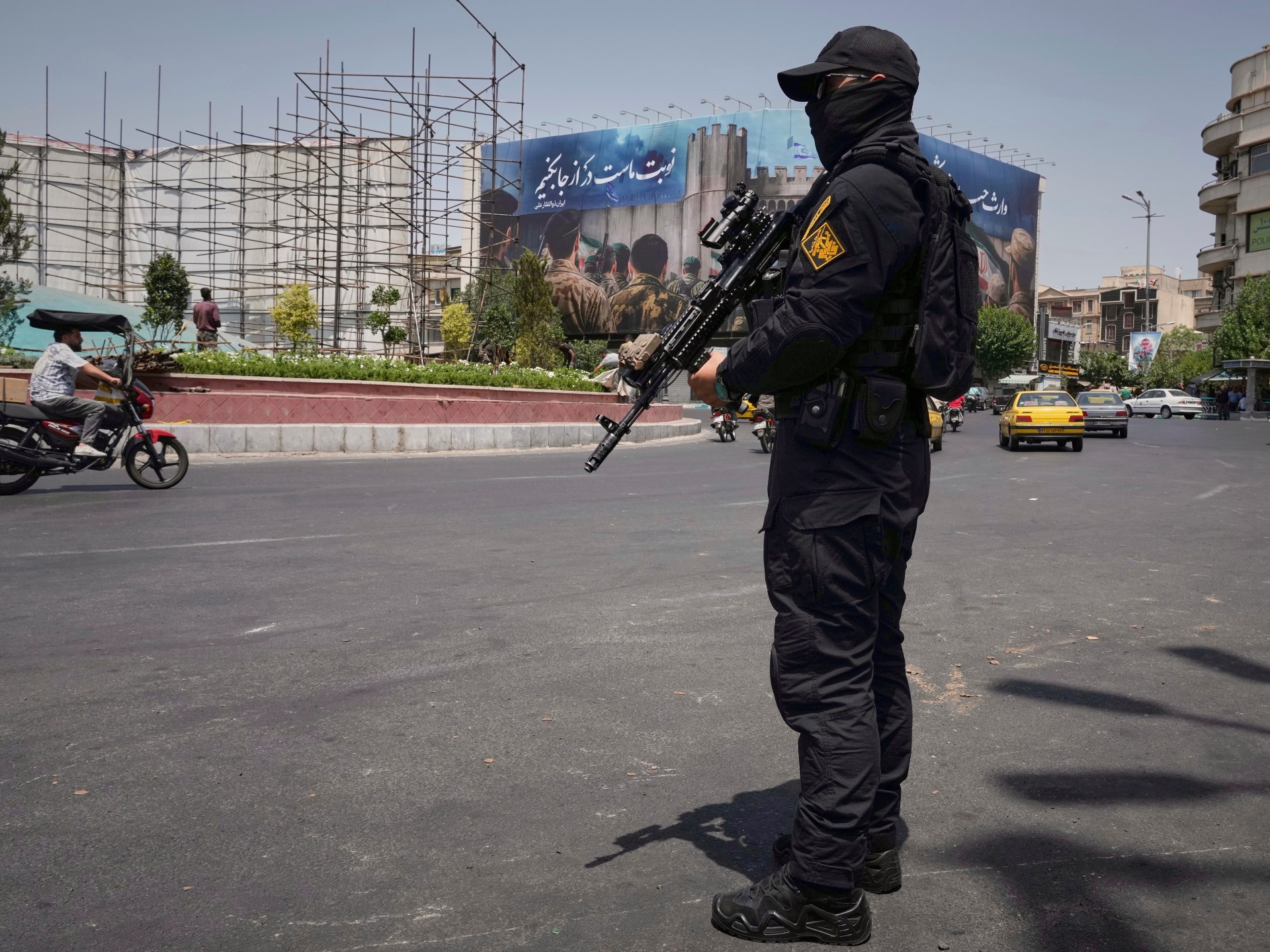
Recent days have witnessed a significant escalation in the Iranian government’s response to the ongoing protests. The Islamic Revolutionary Guard Corps (IRGC) announced the arrest of eight individuals in the Razavi Khorasan province on Tuesday. This group included three individuals affiliated with the monarchist movement and five members of the People’s Mujahedin Organization of Iran (MEK). Authorities also reported the seizure of weapons and explosives linked to the detainees, signaling a perceived threat to national security.
Simultaneously, Iranian Police Chief Ahmad Reza Radan issued a three-day ultimatum to individuals involved in what the government terms “riots,” demanding their surrender. Radan emphasized that compliance with this demand is a prerequisite for any potential leniency, framing those who participated “unintentionally” as misled rather than enemies of the state. This offer of “leniency” is a calculated move, attempting to differentiate between core instigators and those drawn into the unrest.
حصيلة الضحايا المقلقة وتوثيق انتهاكات حقوق الإنسان
The human cost of the احتجاجات إيران is tragically mounting. The Human Rights Activists News Agency (HRANA), based in the United States, reports that the death toll has reached 4,029, with over 26,000 arrests made across the country. HRANA stresses that these figures are based on a broad network of on-the-ground sources, given the lack of comprehensive official data from Iranian authorities.
Further corroborating these concerns, the organization “Iran Human Rights” has documented the deaths of 3,428 protestors at the hands of security forces. They warn that the actual number could be significantly higher, potentially exceeding 5,000 or even reaching tens of thousands, due to severe restrictions on media access and internet censorship hindering independent verification. The lack of transparency is a major point of contention for international observers.
جذور الاحتجاجات وتصاعد المطالب السياسية
Initially triggered by economic hardship – specifically the declining value of the currency and rising prices – the احتجاجات إيران quickly broadened to encompass political demands challenging the authority of the Iranian government. This represents one of the most significant challenges to the leadership since the 2022 protests following the death of Mahsa Amini.
While the intensity of the demonstrations has reportedly decreased in some areas, human rights organizations attribute this to a widespread and brutal crackdown, coupled with near-total internet shutdowns since January 8th. This suppression of information and freedom of assembly is a key factor driving international condemnation. The economic situation in Iran, including الأزمة الاقتصادية في إيران (Iran’s Economic Crisis), remains a central grievance.
ردود الفعل الدولية والتحذيرات الأممية
The international community has expressed growing alarm over the escalating violence and human rights abuses in Iran. The United Nations has strongly condemned the Iranian authorities’ use of the death penalty as an “instrument of state terror.” In 2025 alone, reports indicate that Iran executed approximately 1,500 individuals.
UN High Commissioner for Human Rights, Volker Türk, stated that the scale and pace of executions reflect a systematic policy of using the ultimate punishment to intimidate politically and security, disproportionately affecting ethnic minorities and migrants. The UN Human Rights Council is planning an emergency session to discuss the situation, focusing on reports of “horrific violence” against protestors since late December.
دعوات للمحاسبة والتحقيق المستقل
Türk has called for accountability for those responsible for the violations and for the guarantee of respect for human rights, including freedom of expression and peaceful assembly. Reports suggest Iranian authorities have acknowledged the deaths of at least 5,000 people during the protests, a figure that underscores the severity of the crisis. The need for an تحقيق مستقل (Independent Investigation) into the events is becoming increasingly urgent.
مبادرات حكومية وقيود على الإنترنت
In response to the mounting pressure, Iran’s three heads of power – President Masoud Pezhshkian, Parliament Speaker Mohammad Bagher Ghalibaf, and Judiciary Chief Gholam Hossein Mohseni Ejei – have pledged to work “around the clock” to address the economic and livelihood crises fueling the protests.
Government officials have also announced plans to gradually restore internet access, emphasizing the need for “better management” of the digital space. This move is likely aimed at calming public opinion, but concerns remain about continued censorship and surveillance. The issue of الوصول إلى الإنترنت (Internet Access) is crucial for transparency and accountability.
التوترات الإقليمية والدور الخارجي
These developments occur against a backdrop of escalating political and diplomatic pressure on Tehran from the United States and its ally, Israel. Iran, however, rejects these accusations, attributing the unrest to “foreign plots.” It accuses Washington of using sanctions and political pressure, alongside what it describes as inciting unrest and spreading chaos, to create a pretext for intervention and regime change.
The situation in Iran is complex and multifaceted, with deep-rooted economic and political grievances driving the احتجاجات إيران. The government’s response, characterized by repression and limited transparency, has only served to exacerbate the crisis and draw international condemnation. Continued monitoring of the situation and a commitment to upholding human rights are essential in the days and weeks to come.