




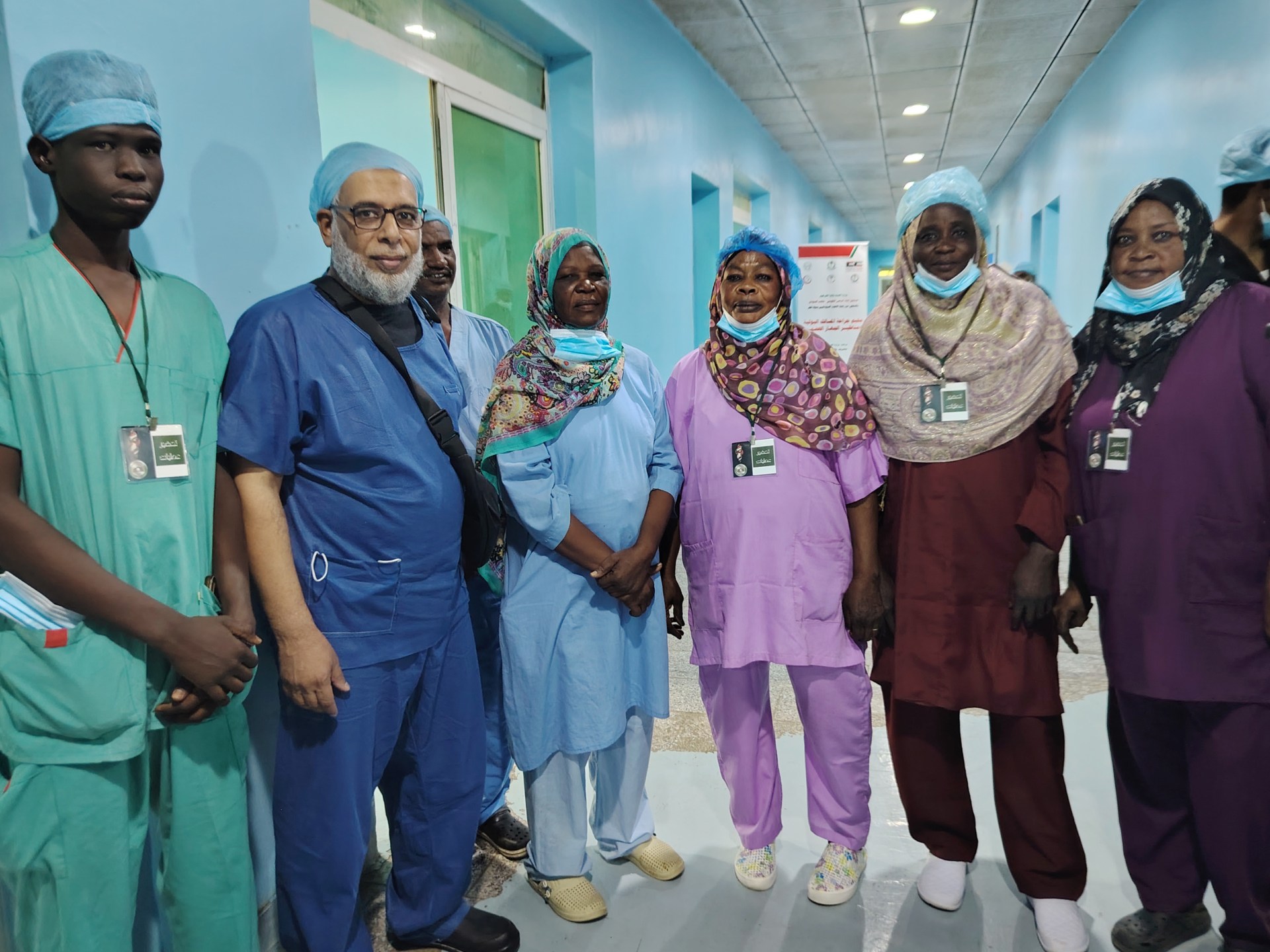
The Sudanese healthcare system has been severely strained since the outbreak of conflict in April 2023, with numerous facilities damaged or destroyed. However, amidst the challenges, a surge of medical convoys and support initiatives has emerged, offering a lifeline to citizens and working to alleviate the immense pressure on the sector. This article focuses on these vital efforts, particularly highlighting the recent “Urology Surgery, Digestive Endoscopy & Pediatric Surgery Camp,” a significant undertaking demonstrating the resilience and dedication to providing healthcare in Sudan despite ongoing turmoil.
تزايد المبادرات الطبية لدعم السودان (Increasing Medical Initiatives to Support Sudan)
The war has had a devastating impact on Sudan’s already fragile healthcare infrastructure. Many hospitals have been forced to close, medical personnel have fled, and access to essential medicines and supplies has become severely limited. This has led to a critical shortage of care, particularly for those with chronic illnesses or requiring urgent surgical intervention. Recognizing this dire need, numerous organizations, both domestic and international, have stepped up to provide assistance. These efforts range from deploying mobile clinics to donating medical equipment and supplies, and crucially, organizing specialized medical camps like the one recently concluded. The situation demands sustained and coordinated medical aid to Sudan to prevent a complete collapse of the system.
مخيم الجراحة المتكامل: بصيص أمل للمرضى (The Integrated Surgery Camp: A Beacon of Hope for Patients)
The recently launched “Urology Surgery, Digestive Endoscopy & Pediatric Surgery Camp” represents a substantial and compassionate response to the healthcare crisis. Organized jointly by the Sudanese Doctors Association in Qatar and the Kuwaiti Patients’ Aid Fund, in partnership with the Federal Ministry of Health and the Ministries of Health of Khartoum and Kassala states, the camp aimed to provide advanced and free medical services to Sudanese patients. This collaborative effort underscores the importance of regional solidarity in addressing humanitarian challenges.
The camp operated for seven days, split between Khartoum and Kassala, and successfully performed approximately 250 advanced surgical procedures across urology, pediatrics, and digestive endoscopy. This included complex operations that were previously inaccessible to many due to the war and the resulting economic hardship. The scale of the operation is particularly noteworthy given the logistical difficulties of operating in a conflict zone.
أهداف المخيم وتأثيره على الكوادر الطبية (Camp Objectives and Impact on Medical Personnel)
Nader Ibrahim Abdoun, the coordinator of the Sudanese Doctors Association in Qatar, explained that the primary goal of the camp was to deliver high-quality, free medical care to patients who had been deprived of treatment due to the war. He emphasized that such treatments often required patients to travel abroad at considerable expense.
The camp was strategically divided between two hospitals:
- Al-Nilim Teaching Hospital (formerly Khartoum Teaching Hospital) in Khartoum: Focused on urological surgery and digestive endoscopy.
- Kassala Hospital: Dedicated to pediatric surgery and congenital anomalies, where around 500 surgeries were performed.
Importantly, the camp also prioritized the training of local medical staff at Al-Nilim Hospital. This knowledge transfer aimed to equip Sudanese doctors with the skills to independently perform complex surgeries within the country, fostering long-term sustainability of surgical care in Sudan.
شهادات المرضى: قصة أمل وسط الأزمة (Patient Testimonials: A Story of Hope Amidst the Crisis)
The impact of the camp is best illustrated through the experiences of the patients it served. Al-Haber Mohamed Omar, a beneficiary of the surgical intervention, shared his story of suffering for over two years due to the high cost of treatment for urethral stricture. He expressed immense relief and gratitude after undergoing a successful operation performed by Sudanese and Qatari specialists. His experience highlights the critical gap in access to care that the camp helped to bridge. He described the care as exceeding his expectations.
مبادرات أخرى وجهود مستمرة لتحسين الوضع الصحي (Other Initiatives and Ongoing Efforts to Improve the Health Situation)
The surgical camp is just one example of the numerous medical initiatives undertaken in Khartoum during 2025. The Khartoum Ministry of Health launched a mobile clinic program in August, collaborating with the Federal Ministry of Health, the World Health Organization (WHO), UNICEF, and community organizations. This program focused on combating epidemics like dengue fever, malaria, and cholera, providing free medical services across all localities of the state.
Hajer Idris Mohamed, Director of Quality and Development at the Khartoum Ministry of Health, stated that the mobile clinics were a direct response to the outbreak of these diseases and the difficulties patients faced in reaching hospitals. She affirmed that the initiative represented a significant improvement in healthcare and awareness services, contributing to the control of epidemics in Khartoum. Currently, 40 hospitals and 241 health centers are operational, indicating a positive trend in the recovery of the healthcare sector.
إعادة إعمار القطاع الصحي: تحديات وآفاق (Rebuilding the Healthcare Sector: Challenges and Prospects)
A report released by the Sudanese Doctors Network at the end of December 2025 revealed a relative improvement in the health landscape following efforts to rehabilitate damaged facilities in Khartoum. The report estimated that the war had caused approximately $14 billion in losses to the healthcare sector.
The network reported the reopening of 40 hospitals and 244 health centers, out of a total of 120 hospitals and 282 health centers that were affected or forced to close. While this represents a positive step, the network emphasized that it does not fully meet the existing needs.
The Federal Ministry of Health, in coordination with Khartoum’s Ministry of Health, has been working to rehabilitate hospitals and healthcare centers and ensure the continued provision of medical services. The National Blood Bank, previously located in Khartoum, relocated to Port Sudan after being directly targeted during the conflict. However, it has recently been reopened, signaling a return to normalcy and a commitment to restoring essential services. The ongoing efforts to provide healthcare in Sudan are crucial for the well-being of the population and the future stability of the nation.
In conclusion, the situation regarding healthcare in Sudan remains challenging, but the increasing number of medical convoys and initiatives, like the recent surgical camp, offer a glimmer of hope. These efforts, coupled with the rehabilitation of existing facilities and the training of local medical personnel, are vital steps towards rebuilding a sustainable and accessible healthcare system for all Sudanese citizens. Continued support and collaboration are essential to overcome the obstacles and ensure a healthier future for Sudan.