





The geopolitical landscape is shifting rapidly, marked by rising tensions and evolving strategies. Recent reports from leading international news sources paint a picture of interconnected conflicts and concerns, ranging from internal unrest in Iran to strategic anxieties in the Arctic. This analysis explores these developments, focusing on the escalating situation in الاحتجاجات في إيران (Iranian Protests) and its potential ramifications, alongside emerging power dynamics concerning Greenland. Recent developments suggest a complex interplay of domestic issues, regional rivalry, and global interests.
تطورات الاحتجاجات في إيران وتصعيد العنف (Developments in Iranian Protests and Escalating Violence)
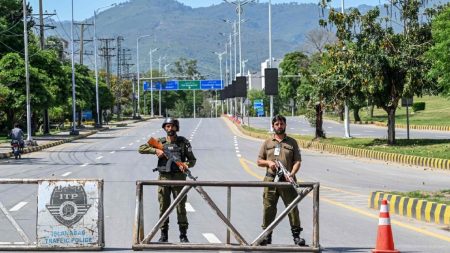
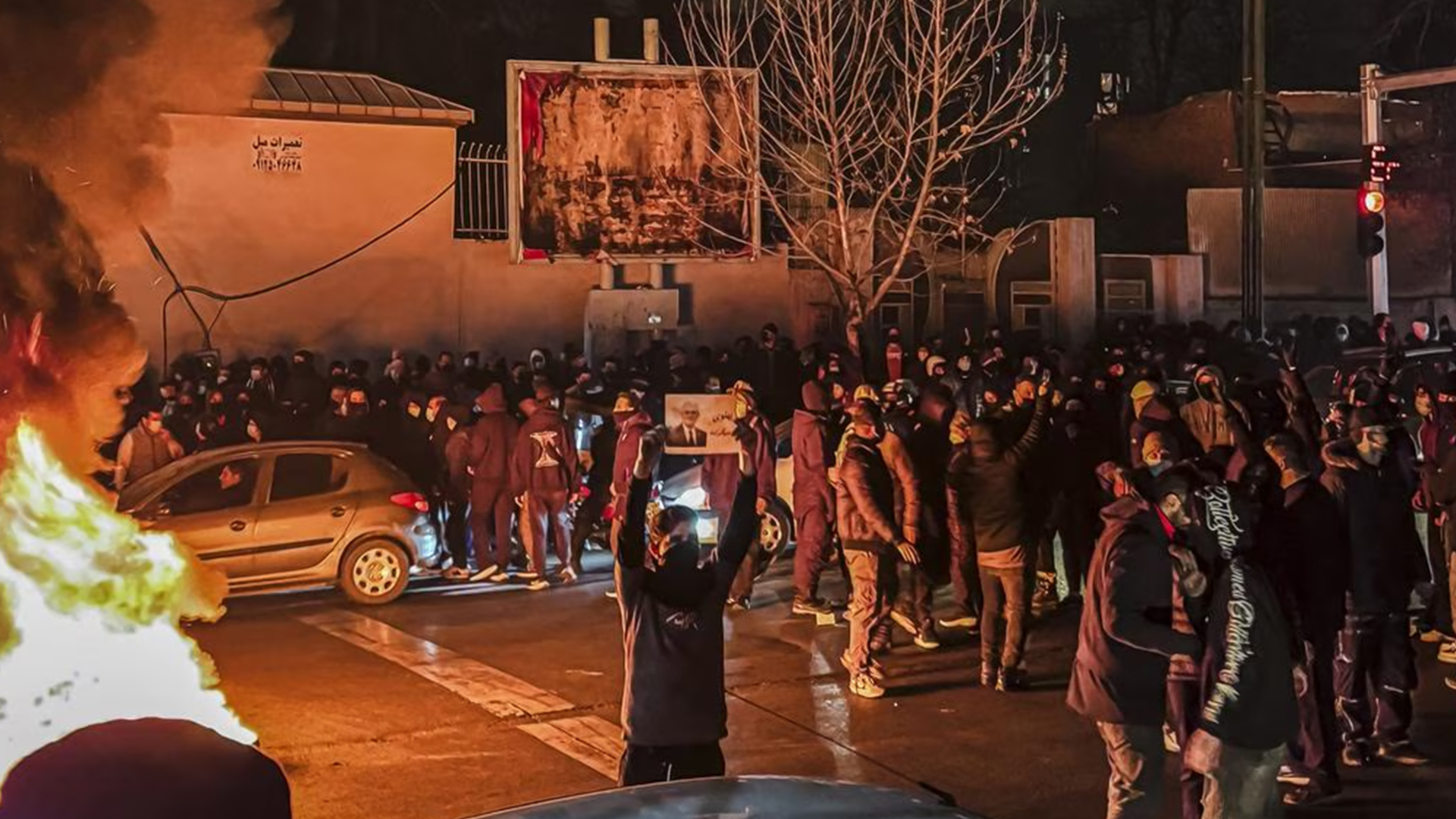
Recent coverage of Iran highlights a disturbing trend: the evolution of initially peaceful demonstrations into violent clashes. According to a Washington Post report citing an anonymous Iranian diplomat, the protests have taken a dangerous turn, with attacks directed at police officers and civilians, alongside the deliberate destruction of public property. This shift, the diplomat alleges, isn’t organic, but fueled by the infiltration of Israeli agents actively seeking to exacerbate instability.
This accusation links the current unrest to the broader regional conflict, specifically referencing the recent 12-day war between Iran and Israel, with US involvement. The diplomat further justified the Iranian government’s decision to cut off internet access, framing it as a necessary measure to disrupt the communication networks of what they term “terrorist cells.”
دوافع حكومة إيران وراء قطع الإنترنت (Iran’s Government Motives Behind Cutting Internet Access)
The internet shutdown is a controversial tactic, but the Iranian government reportedly views it as crucial to regaining control of the narrative and hindering the organizational capabilities of opposition groups. By limiting external communication, authorities aim to prevent the further dissemination of protest movements and limit access to information that contradicts the official state narrative. This action raises serious concerns about freedom of information and the right to peaceful assembly.
نظرة الغارديان على التدخل الأمريكي المحتمل (The Guardian’s View on Potential US Intervention)
While some within Iran are appealing for direct support from the US, particularly from President Trump, the situation is fraught with risk. Patrick Wintour, writing for The Guardian, cautions against a hasty American response. He points out that improper intervention could inadvertently strengthen the Iranian regime by allowing it to portray itself as a victim of foreign aggression. A significant number of advisors are urging caution to President Trump.
This argument centers around the potential for a backfire effect – any perceived overreach by the US could undermine the legitimacy of the pro-democracy movement and galvanize support for the government. International observers are similarly advising restraint, warning that escalation, including potential military strikes, could have unforeseen and negative consequences, further destabilizing the region. The delicate balance risks turning external support into a self-fulfilling prophecy for the Iranian government’s rhetoric.
القوانين الجديدة في إسرائيل وتأثيرها على القيادة القانونية (New Laws in Israel and Their Impact on Legal Authority)
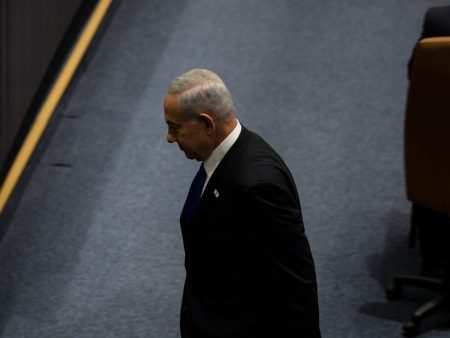
Turning to Israel, recent internal developments signal a potential weakening of its legal institutions. The Times of Israel reports that Prime Minister Benjamin Netanyahu’s government, currently facing scrutiny from the International Criminal Court, has tasked its Justice Minister with pushing through a new wave of legislation. The stated aim is to reduce legal constraints on governmental action and enhance executive power.
This package of proposed laws includes measures that would diminish the authority of the government’s legal advisor, politicize legal positions within ministries, grant the Justice Minister greater oversight of police investigations, and subject the military’s top legal counsel to the command of the Chief of Staff. The passage of a law last year, already expanding political influence over judicial appointments, is seen as a precursor to this broader shift. This ongoing legislative effort raises concerns about the separation of powers and the rule of law within Israel. الاحتجاجات في إيران and parallel situations like this highlight the importance of strong legal frameworks.
التنافس الاستراتيجي: أمريكا وغرينلاند (Strategic Competition: America and Greenland)
The focus then shifts to the Arctic, specifically to Greenland and the growing interest from the United States. A Newsweek investigation from Copenhagen reveals a growing sense of unease amongst Danes regarding American intentions towards the island. Historically, relations between Denmark and the US have been close, particularly since the 9/11 attacks, with Denmark positioned as a key ally in Europe.
However, this long-standing partnership is now being viewed with increasing suspicion. While Danes have traditionally held a favorable view of the US, anxieties are rising, with some now perceiving America as a greater threat than Russia. These fears are reportedly fueled by concerns over potential US targeting of Danish wind energy technology, a crucial export for the country. This escalating tension is a significant aspect of the broader geopolitical landscape.
نشاط روسي وصيني حول غرينلاند: تقييم الناتو (Russian and Chinese Activity Around Greenland: NATO Assessment)
Adding to the complexity, The Times reports that NATO has received no intelligence confirming any increased Russian or Chinese military activity near Greenland, despite claims made by President Trump. Norway has corroborated this assessment, stating that any observed activity from those nations has been limited and focused on other areas of the Arctic. This discrepancy raises questions about the accuracy of information driving the US’s perceived strategic urgency regarding Greenland, and further emphasizes the need for clear communication and reliable intelligence sharing within the alliance. The potential for accelerated الاحتجاجات في إيران and the strategic considerations surrounding Greenland demonstrate a highly volatile international setting.
In conclusion, these interconnected events – the volatile situation surrounding الاحتجاجات في إيران, the internal legal challenges facing Israel, and the escalating strategic competition in the Arctic – underscore a period of significant global uncertainty. Understanding the nuances of these developments and the motivations of the key players is essential for navigating this increasingly complex world. Further research and continued monitoring of these situations are crucial for informed analysis and proactive policy-making. Are there lessons to be learned from these events to foster stability and peaceful resolutions? Share your thoughts in the comments below.