





The dust hadn’t fully settled from the June conflict before Iran embarked on a comprehensive overhaul of its defense systems, military arsenal, and security leadership. This restructuring, occurring as of December 31, 2025, underscores a strategic preparation for looming regional and international challenges. The recent summit at Mar-a-Lago and subsequent statements from former US President Donald Trump, suggesting support for potential Israeli strikes against Iran’s nuclear and ballistic missile programs, have significantly shaped this response. The situation demands a serious analysis of Iran’s military capabilities and its evolving strategic doctrine.
Assessing the Threat: Trump’s Stance and the ‘Red Line’
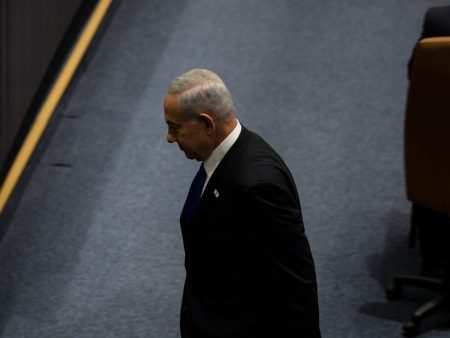
Following the Mar-a-Lago meeting, Tehran interprets Trump’s assurances of support for Israel as confirmation of a hardened stance. The implication – that Israel has a green light to attack Iranian facilities if concerns over missile and nuclear development persist – is viewed as a direct threat. Simultaneously, Iranian observers believe Israeli Prime Minister Benjamin Netanyahu’s visit achieved a key objective: establishing Iran’s nuclear and ballistic missile programs as a “red line” within US policy. This effectively raises the probability of future clashes, fueled by Iran’s firm rejection of demands to dismantle its nuclear program and discuss its missile capabilities and regional policies.
This creates a complex and tense security environment, increasing the importance of understanding Iranian defense strategy. The risk of miscalculation is high, making a thorough evaluation of Tehran’s preparations crucial.
A New Military Doctrine: From Second Strike to Proactive Defense
The recent skirmishes exposed vulnerabilities within Iran’s security apparatus, sparking internal debate about performance and coordination. In response, Tehran appears to be shifting away from a purely “second-strike” doctrine, previously centered on retaliatory measures. This evolution is driven by a desire to avoid a prolonged state of “neither war nor peace,” which severely impacts the national economy.
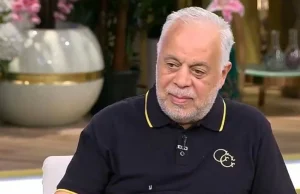
Abdul Reza Daveri, a conservative political activist and former advisor to Iranian President Mahmoud Ahmadinejad, highlighted that Iran is actively drawing lessons from the previous conflict, leading to a reassessment of its military creed. Daveri noted a growing sentiment within Iranian circles favoring proactive operations and a withdrawal of the previous reluctance to support regional proxy forces actively in any future conflict with Israel. He indicated a move toward taking the initiative in securing its interests.
Strategic Armaments and Enhanced Readiness
Adding to the sense of heightened preparation, retired Brigadier General Hussein Kanaani Moghadam, a former commander in the Islamic Revolutionary Guard Corps (IRGC), described the potential future conflict with Israel as “existential.” He revealed significant advancements in Iran’s military arsenal, including the acquisition of Russian Su-35 fighter jets and Chinese J-10C (Mighty Dragon) aircraft, alongside other undisclosed weaponry.
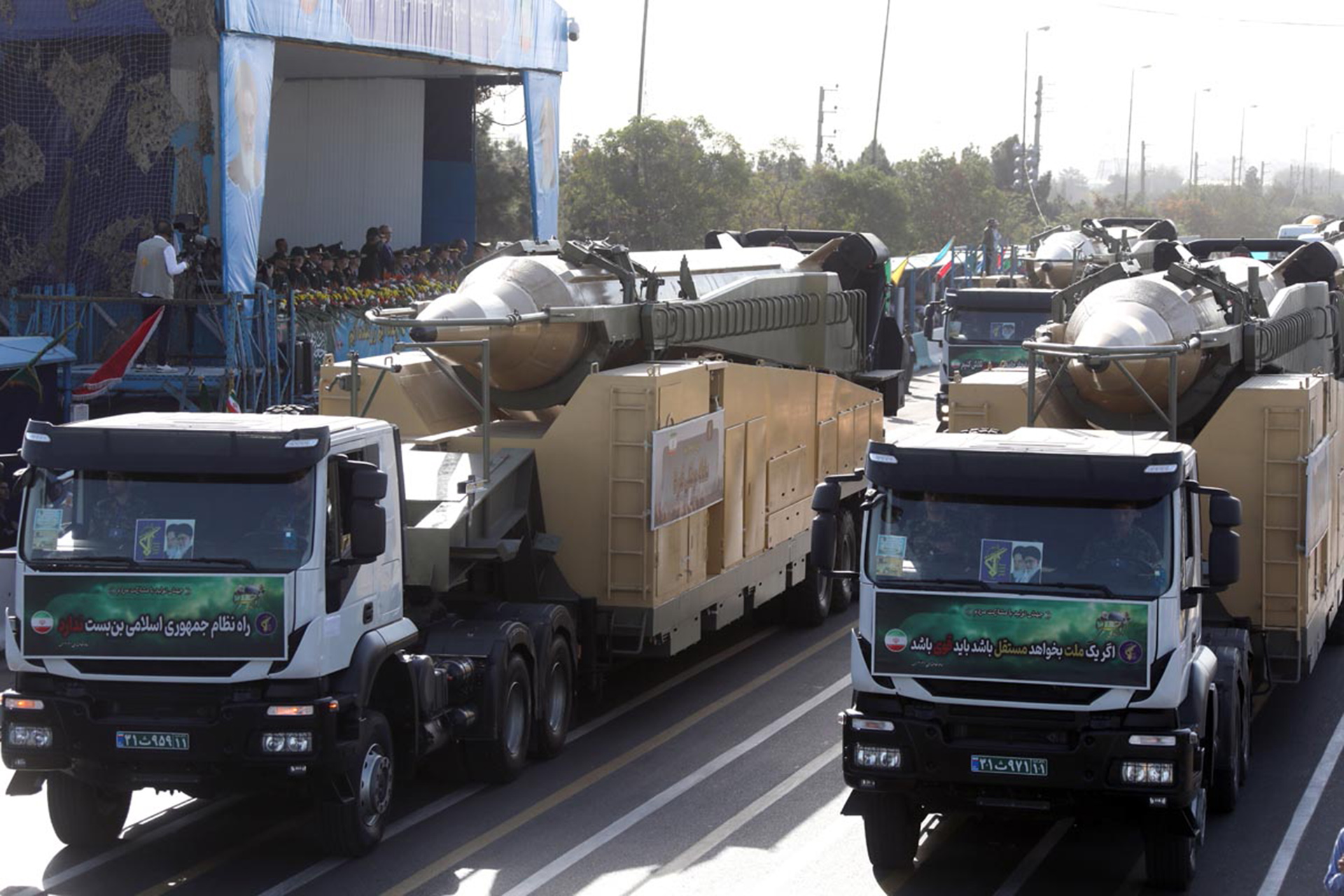
Kanaani Moghadam emphasized that Iran has learned to absorb an initial strike and effectively retaliate through coordinated waves of attacks. He stated that Iran currently possesses 2000 ballistic missiles, each with a 2-ton warhead, launched from subterranean and underwater facilities, as well as mobile platforms dispersed across the country. These would be strategically positioned to evade preemptive strikes against known launch sites.
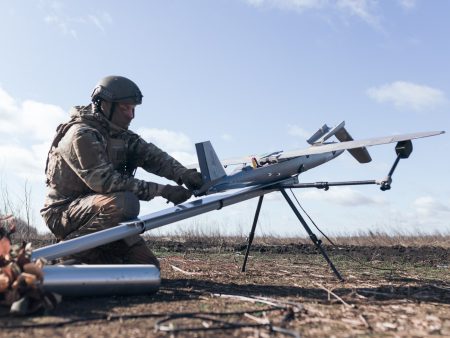
Furthermore, Iran has reportedly restored and upgraded its air defense systems, damaged during the previous conflict through cyberattacks. They’ve also focused on domestic production of anti-aircraft systems, reducing reliance on foreign technologies and GPS-dependent systems. This includes a new generation of air defense systems developed through reverse engineering foreign models and implementing deceptive tactics, launching waves of older, less sophisticated missiles and drones to saturate enemy defenses. The development of plasma weapons and laser technology is also underway, showcasing Iran’s ambitions in advanced military technologies.
The “Corridor War” Strategy & Naval Power
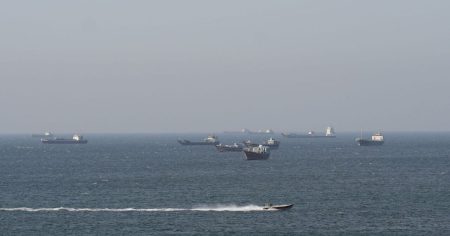
Iran is also developing a defensive strategy centered on controlling vital waterways – dubbed the “corridor war” strategy. Colonel (Ret.) Mohammad Reza Mohammadi, a former naval officer with the IRGC, explained the integration of the regular army and the IRGC in safeguarding regional waters and deterring potential adversaries. This strategy aims to threaten enemy fleets and undermine the possibility of a large-scale war, potentially removing the “green light” offered by the US.
Specifically, Mohammadi highlighted the development of capabilities to transform strategic chokepoints—Strait of Hormuz, Bab al-Mandeb, and the Red Sea—into leverage. This will be achieved through the deployment of fast attack craft, cruise missiles, suicide drones, uniquely equipped submarines, and advanced naval mines. This reinforces the crucial role of naval capabilities in Iran’s security posture. The strategy emphasizes a layered defense, aiming to make any intervention prohibitively costly.
Internal Restructuring and Centralized Command
Reinforcing these military developments, Iran has initiated significant internal organizational changes. A coordinating council, bringing together the heads of various intelligence agencies, has been established, with long-term plans for full integration into a centralized intelligence authority. This streamlining aims to enhance coordination and strengthen Iran’s overall security architecture. Moreover, within six weeks after the end of the recent 12-day war, changes were made across all branches of the armed forces, including the appointment of Ali Larijani as the head of the Supreme National Security Council and subsequent establishment of a “Defense Council” responsible for strategic planning.
Conclusion: A Nation Prepared
Iran’s response to perceived threats, triggered by the recent tensions and amplified by the statements from the Mar-a-Lago summit, is far-reaching. The modernization of its military, a shift in strategic doctrine toward proactive defense, and internal restructuring all point towards a nation preparing for potential conflict. The focus on both conventional and asymmetric warfare, coupled with advancements in missile technology and naval capabilities, suggests a multifaceted approach to safeguarding its interests. Understanding Iran’s military capabilities is paramount to de-escalation efforts and preventing a further escalation of instability in the region. Further analysis of this evolving landscape is crucial for policymakers and observers alike to accurately assess the risks and opportunities ahead.