





The recognition of the self-declared Somaliland region by Israel as an independent state in December 2025 represents a significant geopolitical shift in the Horn of Africa and the Red Sea region. This decision, making Tel Aviv the first UN member capital to grant Hargeisa full sovereignty recognition, wasn’t a spontaneous event but the culmination of a long, complex history of strategic interest dating back to Somalia’s initial independence in 1960. This article delves into the motivations behind this recognition, its implications for regional dynamics, and the challenges that lie ahead.
جذور الاعتراف الإسرائيلي بأرض الصومال: تاريخ من الاهتمام الاستراتيجي (Roots of Israeli Recognition of Somaliland: A History of Strategic Interest)
Israel’s engagement with Somaliland isn’t new. During the five days Somaliland enjoyed sovereignty after its independence from Britain in 1960, before uniting with Italian Somaliland, Israel was among the 35 nations to officially recognize it. Formal relations were severed after that unification, as Somalia refused to acknowledge Tel Aviv or normalize ties. However, this didn’t end Israeli interest. Historical sources suggest Israel was potentially the only country to formally call for international attention to the atrocities committed by the Siad Barre regime against the Isaaq clan in Somaliland during the 1980s. Yohanan Bein, Israel’s UN representative, sent a formal letter to the Security Council in 1990 warning of these abuses.
Following Somaliland’s unilateral declaration of independence in 1991, Ibrahim Egal, its president, sought diplomatic relations with Israel in 1995. Further overtures came in 2005, with then-President Dahir Riyale Kahin stating Somaliland could pursue relations with Israel regardless of Arab opposition. While Israel expressed willingness to reconsider recognition in 2010, no formal steps were taken until recently.
اتفاقيات أبراهام ودورها في الاعتراف (Abraham Accords and Their Role in Recognition)
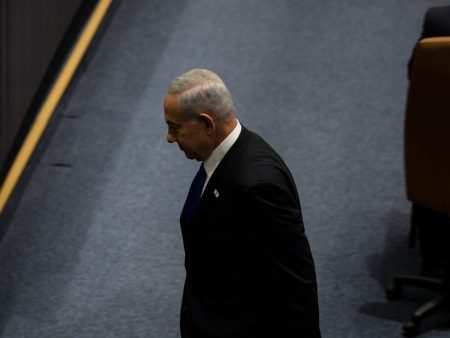
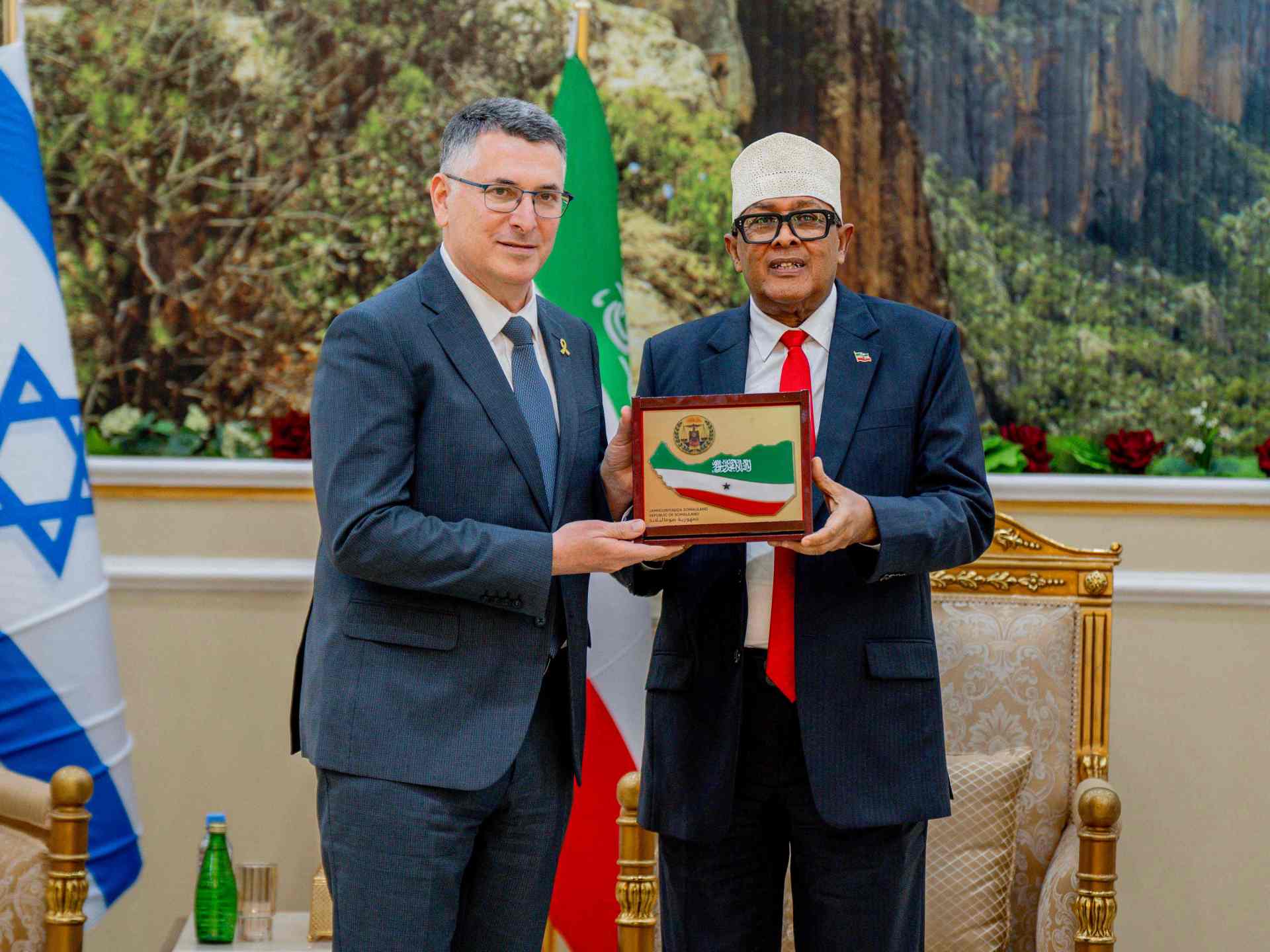
The current recognition is inextricably linked to the “Abraham Accords,” the series of normalization agreements between Israel and several Arab nations brokered by the Trump administration starting in 2020. The joint statement announcing the recognition, signed by Israeli Prime Minister Benjamin Netanyahu and Foreign Minister Gidon Sa’ar alongside Somaliland President Abdirahman Mohamed Abdullahi (Irro), explicitly referenced the “spirit of the Abraham Accords.”
The agreement encompasses mutual recognition of sovereignty and the immediate establishment of full diplomatic relations, including the exchange of ambassadors and the opening of embassies. Beyond the political, it includes a plan for immediate cooperation in agriculture, health, technology, and economics. Notably, Netanyahu publicly thanked Mossad head David Barnea and the agency for their role in securing the agreement, while Irro praised Netanyahu’s “achievements in combating terrorism and promoting regional peace.”
دوافع إسرائيل من الاعتراف بأرض الصومال (Israel’s Motivations for Recognizing Somaliland)
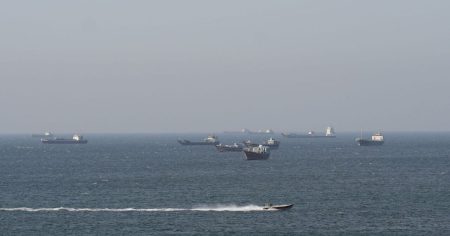
Several interconnected factors drive Israel’s interest in Somaliland. Foremost is its strategic geographic location. Somaliland’s position at the entrance to the Gulf of Aden, connecting the Red Sea to the Indian Ocean, is invaluable to Tel Aviv’s security vision. Its coastline, approximately 300-500 kilometers from areas controlled by the Houthis in Yemen, including the port of Hodeidah, is seen as crucial in any potential confrontation.
Furthermore, Hargeisa actively seeks closer ties with the West, believing this cooperation is key to achieving international recognition. Recent announcements regarding potential security cooperation with the United States, including the possibility of a US base, underscore this ambition. The situation in the Red Sea, exacerbated by Houthi attacks on shipping lanes, has heightened the need for a secure foothold in the region, something Somaliland offers. This differentiates Somaliland from countries like Eritrea, where relations with Israel have cooled, and Djibouti, which has strong Chinese influence.
تداعيات الاعتراف على المنطقة (Implications of the Recognition on the Region)
The Israeli recognition of Somaliland carries significant ramifications for the region. For Somaliland, it’s a symbolic victory, potentially opening doors to further international recognition and much-needed economic and security assistance. However, it also risks exacerbating tensions with Somalia, which vehemently rejects the recognition as a violation of its sovereignty and territorial integrity.
The move could also complicate relations with regional powers like Turkey, Egypt, and Ethiopia. Turkey has strong ties with Somalia and opposes any moves that undermine its territorial integrity. Egypt and Ethiopia, both with strategic interests in the Horn of Africa, will likely reassess their positions in light of this new alliance. The potential for proxy conflicts within Somaliland itself, fueled by disagreements over the recognition and its implications, is also a concern.
مستقبل العلاقات الإسرائيلية-الصومالية (The Future of Israeli-Somaliland Relations)
The recognition of Somaliland by Israel marks a turning point. It’s a pragmatic move driven by mutual interests, but one fraught with challenges. Israel gains a strategic partner in a vital region, while Somaliland hopes to break decades of international isolation. However, the path forward will require careful navigation of the complex political landscape, addressing Somalia’s concerns, and mitigating the risk of escalating regional tensions. The success of this new relationship will depend on its ability to deliver tangible benefits to both sides and contribute to stability in the Horn of Africa. The evolving dynamics of the Red Sea and the broader geopolitical competition will undoubtedly shape the future of this burgeoning alliance.
Published by the Al Jazeera Center for Studies.