







The situation in Gaza remains critical, even as the second phase of the ceasefire agreement unfolds. The establishment of the National Administration Committee and subsequently the Peace Council, chaired by former US President Donald Trump, alongside the Executive Council, marks a new chapter. However, the road to recovery is long and fraught with challenges for the over 2.4 million Palestinians residing in the besieged territory. This article delves into the economic indicators of the devastation, the basic necessities lost, the successes and failures of the first phase of the agreement, and the urgent priorities for the second phase, focusing on the Gaza reconstruction process and the path towards stability.
المرحلة الثانية من اتفاق وقف إطلاق النار: نظرة على التحديات والآمال (Phase Two of the Ceasefire Agreement: A Look at Challenges and Hopes)
Following the announcement of the governing bodies, the National Administration Committee of Gaza has outlined its core objectives: establishing security, restoring essential services – foremost among them electricity, water, healthcare, and education – operating with the highest standards of integrity and transparency, and building a productive economy that generates employment opportunities. Furthermore, the commitment to solidifying principles of peace, democracy, and justice is central to their mandate. The White House has affirmed that these newly appointed councils will bolster good governance and deliver quality services, supporting peace, stability, and prosperity for Gaza’s residents. But can these promises translate into tangible improvements amidst the overwhelming needs?
المؤشرات الاقتصادية الكارثية للحرب على غزة (Catastrophic Economic Indicators of the War on Gaza)
The scale of economic destruction in Gaza is staggering. Economic expert Ahmed Abu Qamar provided alarming data to Al Jazeera Net, painting a grim picture of the current reality.
- Unemployment: Soaring from 43-45% before the war to approximately 80% currently.
- Poverty: A dramatic increase in poverty rates, jumping from 70-75% to over 90%.
- Labor Force Participation: A concerning decline in labor force participation from 80% to around 35%, indicative of widespread despair and hopelessness.
- Aid Dependency: A staggering 95% of Gazan families now rely entirely on aid for their daily needs, compared to around 55% before the conflict.
- Economic Contraction: The economy contracted by 87% in 2024 compared to 2023, with a further contraction of 7.8% projected for 2025.
- Industrial Sector: Nearly complete destruction of the industrial sector, with approximately 97% damaged or destroyed.
- Agricultural Sector: The agricultural sector has collapsed, moving from 120% self-sufficiency to an estimated 90% destruction.
- Construction Sector: A complete standstill in the construction sector due to the ban on importing building materials.
These figures underscore the immense task ahead in revitalizing the Gaza economy. The destruction isn’t merely physical; it’s a dismantling of livelihoods and a crushing blow to the future prospects of an entire generation.
ما الذي فقده أهالي غزة من متطلبات الحياة الأساسية؟ (What Basic Necessities Have the People of Gaza Lost?)
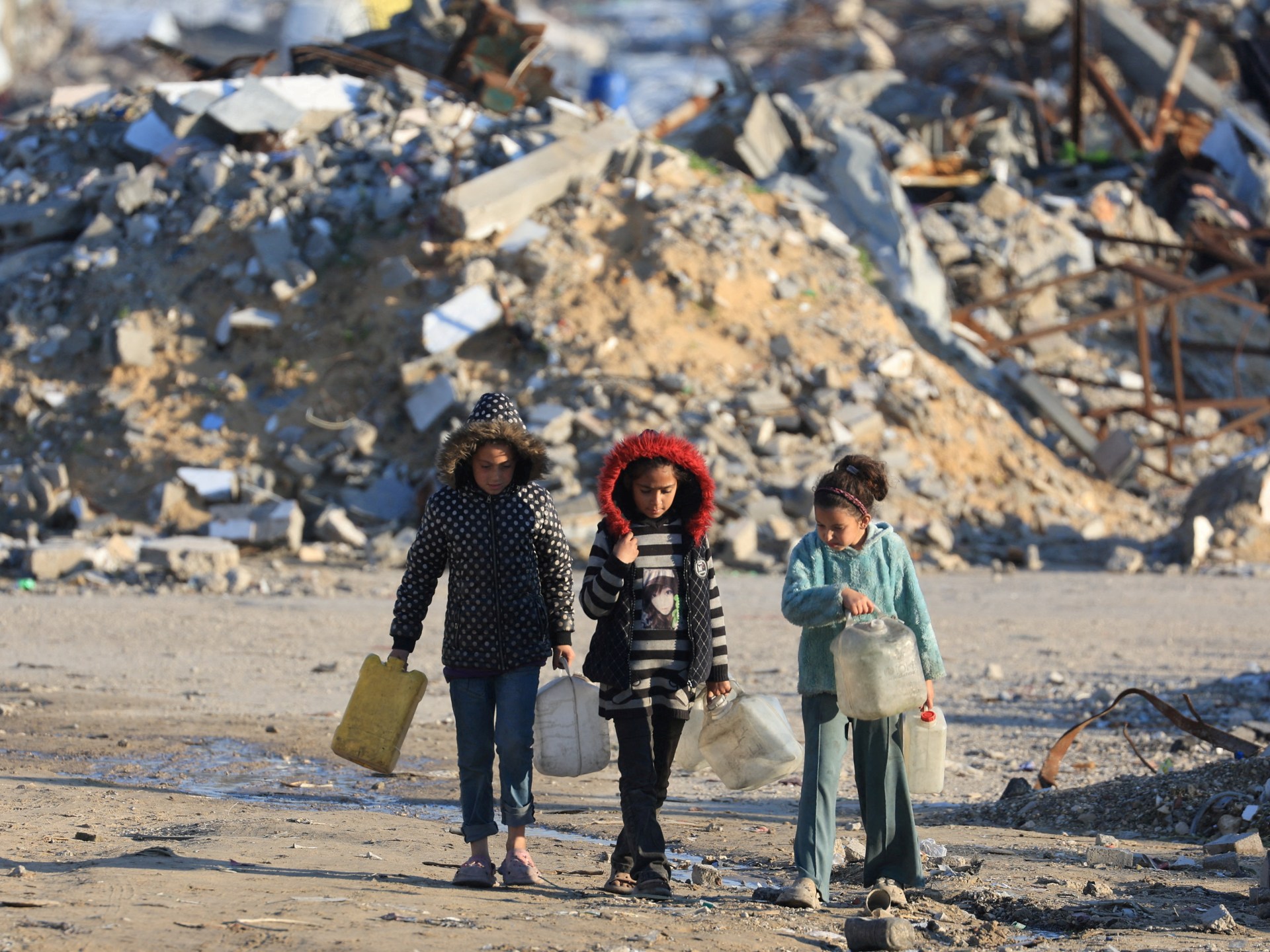
The war has left over two million Palestinians in Gaza stripped of their basic necessities. Approximately 90% of the sector has suffered comprehensive damage, including the complete destruction of 300,000 housing units and partial damage to another 200,000. Crucially, 90% of the infrastructure – water networks, electricity grids, sewage systems, and roads – has been devastated, according to official government data.
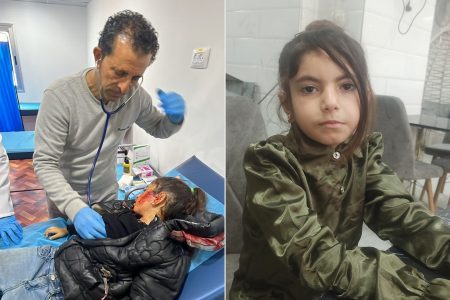
Healthcare has been decimated, with 38 hospitals destroyed, alongside numerous health centers and ambulances. The education system has been paralyzed for over two years, with 670 schools and 165 universities and educational institutions reduced to rubble.
The Israeli control over Gaza’s crossings has exacerbated the crisis, particularly with the complete closure of the Rafah crossing, leaving over 22,000 patients in need of treatment outside the Strip facing potential death. Movement in and out of Gaza has been severely restricted, impacting those seeking to travel or return home. The need for humanitarian aid in Gaza is more pressing than ever.
هل أسعفت المرحلة الأولى من اتفاق وقف إطلاق النار سكان القطاع؟ (Did the First Phase of the Ceasefire Agreement Help the People of the Strip?)
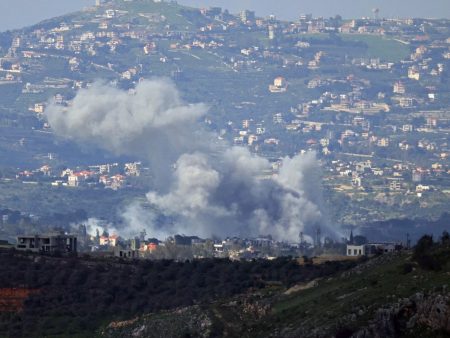
Unfortunately, the initial promises of the first phase of the ceasefire, which began on October 10th, were largely unmet. Updated, exclusive information obtained by Al Jazeera Net reveals that the Israeli side committed 1,275 violations over 100 days, resulting in the deaths of 479 Palestinians and injuries to 1,275 others. Fifty individuals were also arrested from within residential areas.
The commitment to allow 600 aid trucks into Gaza daily, as stipulated in the humanitarian protocol, was not honored. During the period following the ceasefire, only 25,425 trucks were permitted entry, compared to the required 58,800 commercial and relief trucks carrying aid and fuel. This represents a compliance rate of just 43%, averaging 262 trucks per day instead of the promised 600.
Furthermore, Israel failed to adhere to withdrawal lines, facilitate the entry of materials for infrastructure repair, provide heavy equipment for civil defense to remove rubble and recover bodies, or supply medical equipment, supplies, and medicine. The Rafah crossing remained closed, and concerns regarding prisoners, detainees, and missing persons were ignored. The provision of tents, mobile homes, and shelter materials was also lacking, as was the resumption of electricity generation.
أبرز الملفات الملحة في المرحلة الثانية (Key Urgent Files in the Second Phase)
Despite the overwhelming needs, three key files are now at the forefront for the newly formed Executive Council:
- Israeli Withdrawal: Compelling Israel to adhere to the terms of President Biden’s plan, ensuring the withdrawal of Israeli forces behind the “yellow line” and relinquishing control of approximately 60% of the Gaza Strip. This is crucial for enabling the return of hundreds of thousands of displaced people, particularly in Rafah, eastern Khan Yunis, eastern Gaza City, and northern Gaza, especially Beit Hanoun. It also necessitates halting violations against civilians near the yellow line and rehabilitating agricultural lands.
- Rubble Removal: Addressing the massive amount of debris – estimated at over 60 million tons – resulting from the war. Jorge Moreira da Silva, Director of the United Nations Office for Project Services, estimates that removing this rubble could take over seven years, even with the availability of heavy machinery. This debris also conceals an estimated 20,000 unexploded ordnance, posing a significant threat. Removing the rubble is essential for recovering over 8,000 bodies and initiating the long-awaited rebuilding of Gaza.
- Opening All Crossings: Opening all Gaza crossings without restrictions. This step is vital to thwart the displacement plans pursued by Israel and facilitate the return of those stranded outside the Strip. It will also allow for the flow of goods and commodities, stimulating production and employment, and ensuring the adequate delivery of aid and shelter materials.
While the challenges are immense, and the tasks are daunting, hope remains that the new administration can translate these critical issues into concrete steps to alleviate the suffering of the people of Gaza. The success of the Gaza reconstruction effort hinges on genuine commitment and the full implementation of the ceasefire agreement.