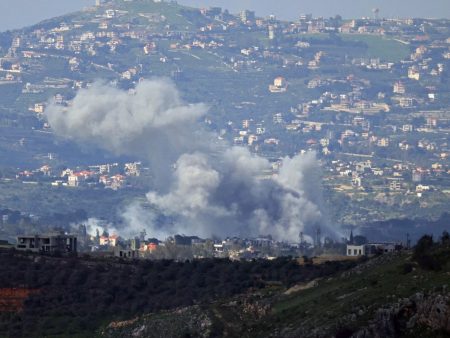







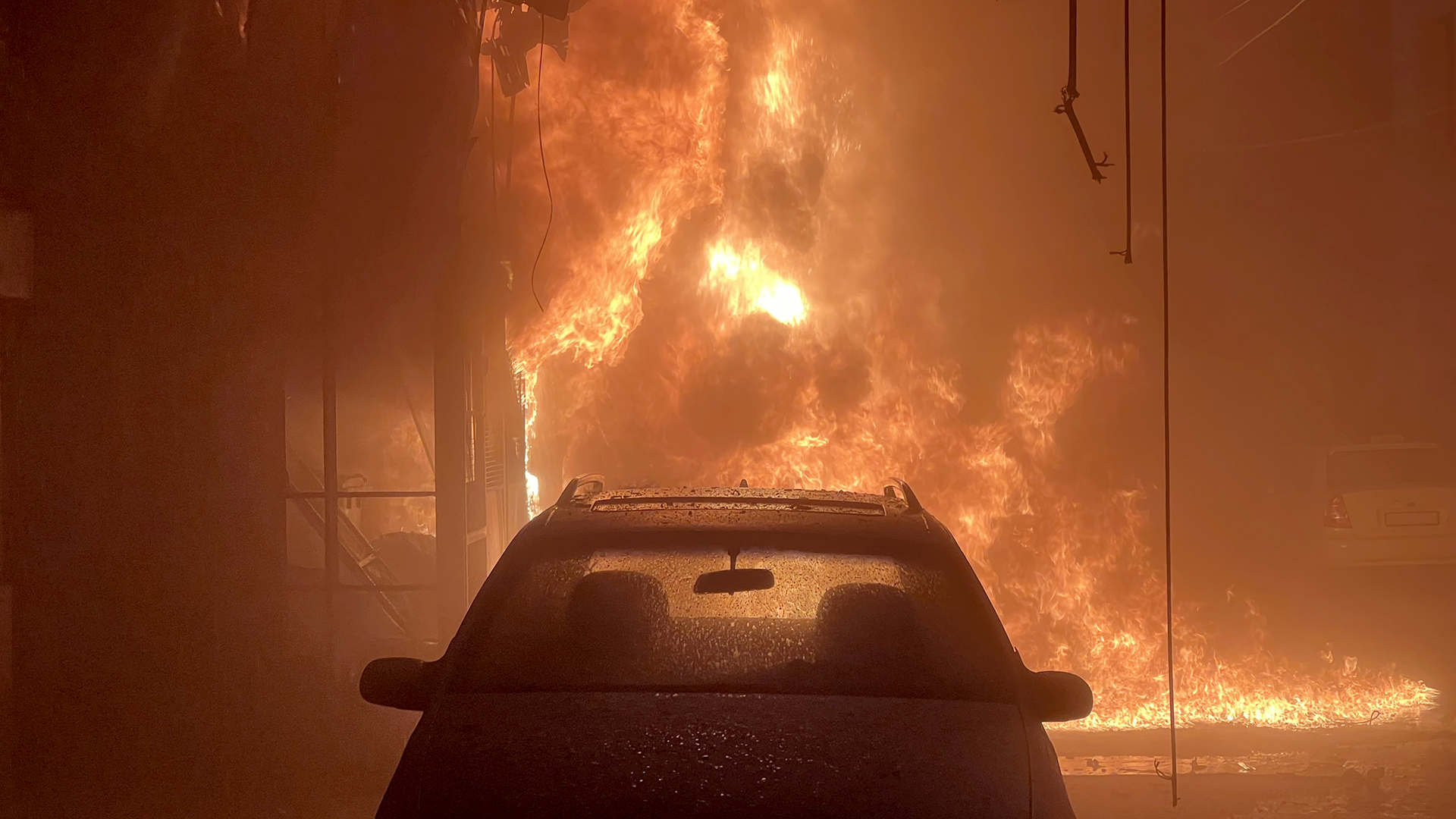
The situation in northern Syria, particularly around Deir Hafer and Maskana in Aleppo, continues to be a focal point of political and military tension. Recent developments have sparked debate regarding the Syrian state’s efforts to regain control of its territories and the future of administration in these regions. This article delves into the perspectives of political analysts and journalists, examining the ongoing conflict and the potential paths forward, focusing on the Syrian Army’s operations and their implications.
استعادة الأراضي السورية: نظرة على العمليات العسكرية في حلب
Political writer and researcher, Abdul Monem Zain Al-Din, views the current events in Deir Hafer and Maskana as a “natural” progression in the Syrian state’s endeavor to reclaim and unify its lands under a single army and administration. He argues that any region remaining outside state control represents an “abnormal” situation. Zain Al-Din emphasizes that the Syrian Army extended a considerable period for dialogue in an attempt to prevent bloodshed, but ultimately, a military solution proved effective, mirroring the swift fall of neighborhoods in Aleppo despite their fortifications.
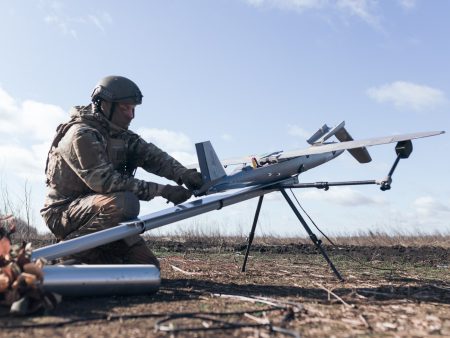
He asserts that recent events in Aleppo represent a “resounding defeat” for the Syrian Democratic Forces (SDF), shattering the illusion of military strength and defiance they had been promoting. The state, he explains, was compelled to resort to military confrontation in response to the SDF’s use of drones and the practice of using civilians as human shields. However, the government remains open to international mediation efforts that guarantee peace and stability.
تصاعد التوتر: وجهات نظر متباينة حول اتفاقيات السلام
The escalation of tension in northern Syria, coupled with ongoing military operations in Deir Hafer and Maskana, has ignited a debate surrounding the legitimacy of control and the future of administration in these areas. Journalist Dilyar Jaziri presents a contrasting perspective, claiming that the SDF adhered to the April 1st agreement, withdrawing heavy weaponry from the Al-Ashrafiya and Sheikh Maqsoud neighborhoods, retaining only light arms for internal security forces. Jaziri alleges that the Syrian Army, however, failed to uphold its commitments under the same agreement.
The April 1st agreement included provisions for establishing a security center affiliated with the Syrian Ministry of Interior within the Sheikh Maqsoud and Al-Ashrafiya neighborhoods, with the ministry’s internal security forces overseeing main checkpoints. Jaziri contends that the SDF rejects the current government’s approach, which he characterizes as embodying the same “centralized mentality” of the previous regime, as evidenced by the current constitutional declaration attempting to impose a “single-color” identity on Syrian society. This political analysis highlights the deep-seated ideological differences at play.
الجيش السوري واستراتيجية الحسم العسكري
Zain Al-Din responds by stating that the Syrian Army was forced to pursue a decisive military outcome after all negotiation and dialogue opportunities, initially employed as a strategy, failed. He accuses the SDF of violating the “March 10th” agreement, continuing to dig tunnels, and targeting civilians and the army. He points out that civilians fleeing Deir Hafer and Maskana are heading towards areas controlled by the state, not the SDF, contradicting the SDF’s narrative of “protecting civilians” which they use to bolster their international standing.
Furthermore, Zain Al-Din alleges that the SDF has been blowing up bridges and extorting money from fleeing civilians, forcing them to take arduous routes to reach government-controlled areas. This paints a picture of a desperate attempt to control movement and resources. The military situation remains fluid and complex.
مستقبل المفاوضات: هل من أمل في حل سلمي؟
Regarding the possibility of renewed negotiations, Jaziri expresses skepticism about the SDF returning to the negotiating table unless the Syrian government alters its position, which he deems exclusionary of various segments of Syrian society. He argues that the new government must shed what he calls the “Turkish and international tutelage.” Jaziri believes the SDF will only engage in serious negotiations with credible international guarantees protecting the rights of Syrian components.
Zain Al-Din, however, maintains that the Syrian Army’s operations are a direct consequence of the SDF’s actions and broken agreements. He emphasizes the flow of refugees towards government-controlled areas as evidence of the SDF’s inability to provide genuine protection. The core issue remains the SDF’s perceived rejection of a unified Syrian state and its pursuit of a separate administrative structure.
الخلاصة: تحديات ومسارات مستقبلية
The situation in northern Syria remains precarious. While the Syrian Army’s operations aim to restore state control, the SDF’s resistance and differing political visions present significant obstacles to a lasting peace. The perspectives of analysts like Zain Al-Din and Jaziri reveal a deep chasm in understanding the root causes of the conflict and the path towards resolution. Ultimately, a sustainable solution requires genuine dialogue, respect for the rights of all Syrian components, and a commitment to a unified and inclusive future. Further research into the ongoing conflict in Syria and the role of international actors is crucial for understanding the complexities of this evolving situation. Readers are encouraged to share their thoughts and perspectives on this critical issue in the comments below.