






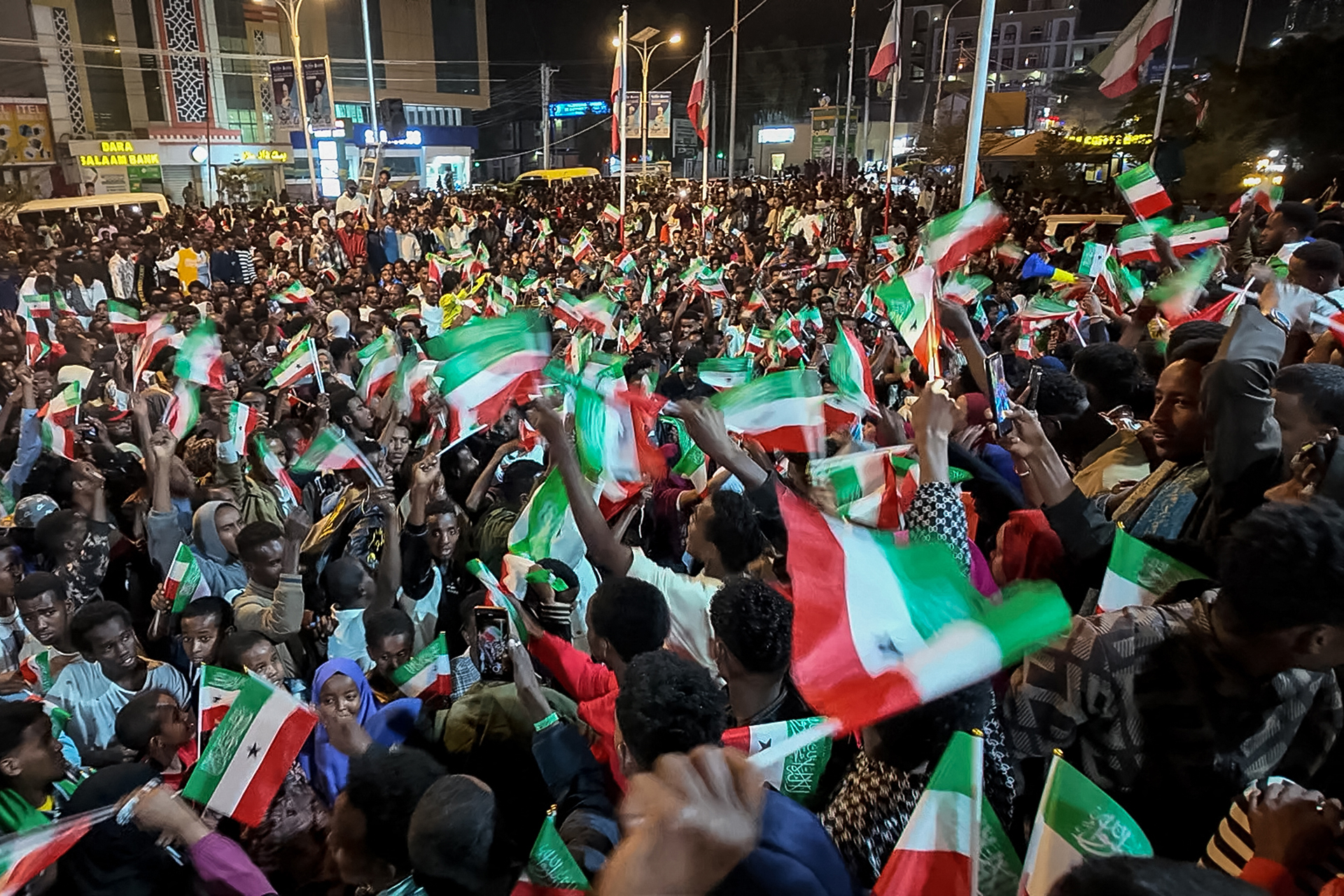
The recognition of Somaliland by Israel, announced on February 1, 2026, has sent ripples through the geopolitical landscape of the Horn of Africa and the Red Sea. Experts view this move as a bold attempt to redraw influence maps in a strategically vital region, sparking a new crisis and widespread condemnation. This article delves into the motivations behind Israel’s decision, the potential ramifications for regional stability, and the likely responses from key players. Understanding the implications of this Somaliland recognition is crucial for grasping the evolving dynamics of the Middle East and Africa.
Understanding Israel’s Strategic Calculus
Dr. Mohannad Mustafa, an academic and expert on Israeli affairs, posits that Israel is actively seeking to reshape the geopolitical map of the Middle East. He explains that this latest development is an extension of Israel’s recent military maneuvers – attempting to translate transgressions of red lines on the battlefield over the past two years into strategic and political gains. This timing, according to Mustafa, reveals a deliberate strategy.
He identified a revival of “Ben-Gurion’s Project”, an initiative from the 1950s known as “The Periphery Project.” This project aimed at building centers of Israeli power and dominance around the edges of the Arab world. “Israel is now attempting to rebuild and rejuvenate this system, establishing hubs of Israeli influence on the periphery while incorporating updates that account for Israel’s increased strength and dominance,” Mustafa stated. The Somaliland recognition is therefore seen not as an isolated incident, but a component of this broader strategy.
Complex Motivations: Beyond Geopolitical Positioning
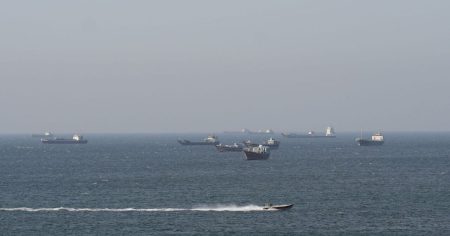
Political analyst Abdullah Raghi highlights the multi-faceted objectives driving Israel’s decision. A key element, he suggests, is a strategic countermeasure against Iran. He notes that Israeli and American efforts to curb the influence of Ansar Allah (the Houthis) in Yemen haven’t yielded desired outcomes. Consequently, Israel seeks a foothold in the Red Sea region, allowing it to pursue future conflicts with Iran and its allies from Somaliland’s territory.
However, the motivations extend beyond Iran. Raghi points to a developing strategy aimed at Turkey. Ankara has been expanding its influence in Africa, particularly through its deepening ties with Somalia and Libya. The relationship between Somalia and Turkey has evolved to include significant investments, including oil and gas exploration, satellite launch platforms, military training, intelligence cooperation, and deployment of Turkish drones. The geopolitical implications of this are significant, as it potentially limits Israel’s maneuvering room.
A Marketing Campaign Focused on Western Perceptions?
Dr. Hesham Al-Ghanam, a researcher at the Carnegie Foundation, offers a cautionary perspective. He warns that the countries impacted by this move aren’t limited to Turkey and Iran. Saudi Arabia, other Gulf states, and even Egypt are potentially vulnerable.
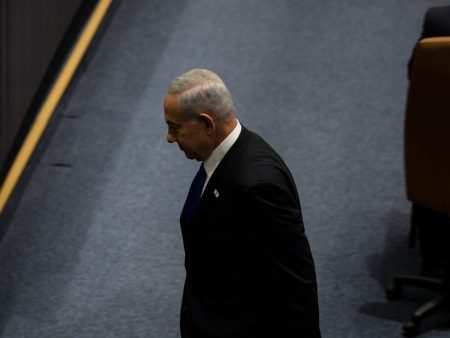
He argues, however, that the move is partly a sophisticated marketing campaign tailored to appeal to Western audiences. By emphasizing aspects like confronting “terrorism” or promoting “democracy,” and linking the recognition to an expansion of the Abraham Accords (including Muslim-majority nations outside the Middle East), Netanyahu aims to secure support and minimize international backlash. Al-Ghanam emphasizes that this Somaliland deal isn’t a sudden reaction to events in Gaza, but a gradual process years in the making.
The US Position and Regional Condemnation
The United States hasn’t offered official cover for Israel’s actions. The State Department reaffirmed its longstanding policy of supporting a unified Somalia. However, Al-Ghanam pointed to pressure within the US Congress to recognize Somaliland, opening the door to potential future shifts in American policy.
Strong condemnation of the recognition has come from multiple fronts. Egypt, Jordan, Djibouti, Qatar, Saudi Arabia, and Turkey have all officially denounced the move. A joint statement released by 20 nations across the Middle East and Africa unequivocally condemned the unilateral step as a violation of international law, the UN Charter, and the African Union’s constitutive act. Mustafa believes Israel is attempting to turn the Abraham Accords into instruments to dismantle both states and the Arab region, aiming for recognition of an area first from Israel and then from the international community, echoing tactics used with the Kurds in Iraq and Syria in the past.
Future Scenarios and Regional Stability
The future of this unfolding situation remains uncertain. Three primary scenarios emerge:
- Israeli Success: Israel might successfully leverage the Somaliland recognition to establish a stronger foothold in the region, furthering its strategic goals.
- Regional Pushback: Influential regional powers could unite to counter the implications of this recognition, potentially undermining Israel’s ambitions.
- International Isolation: A lack of international support could render the recognition largely symbolic, devoid of practical impact.
Ultimately, the regional stability of the Horn of Africa and the Red Sea hinges on how these scenarios play out. Israel’s bold move has injected a new level of complexity into an already volatile region, and the coming months will be critical in determining its long-term consequences. The international community’s response and the actions of key regional actors will be instrumental in shaping the future of Somaliland and the broader landscape of the Middle East and Africa.