





The Syrian-Turkish Rapprochement: A New Era of Support and Security
The evolving landscape of Syrian politics took a significant turn with recent statements from Turkish President Recep Tayyip Erdoğan, signaling Ankara’s willingness to provide support to Damascus to bolster peace and security for the Syrian people. This development, coming after what’s been described as the “December 8th Revolution” of 2024, marks a potential shift in regional dynamics and offers a glimmer of hope for the millions affected by the prolonged conflict. The core of this new approach revolves around السوريّة (Syria), focusing on its stability and the return of its displaced citizens. This article will explore the details of this announcement, Turkey’s conditions for support, and the ongoing negotiations with Syrian Kurdish forces.
Turkey’s Commitment to Supporting a Stable Syria
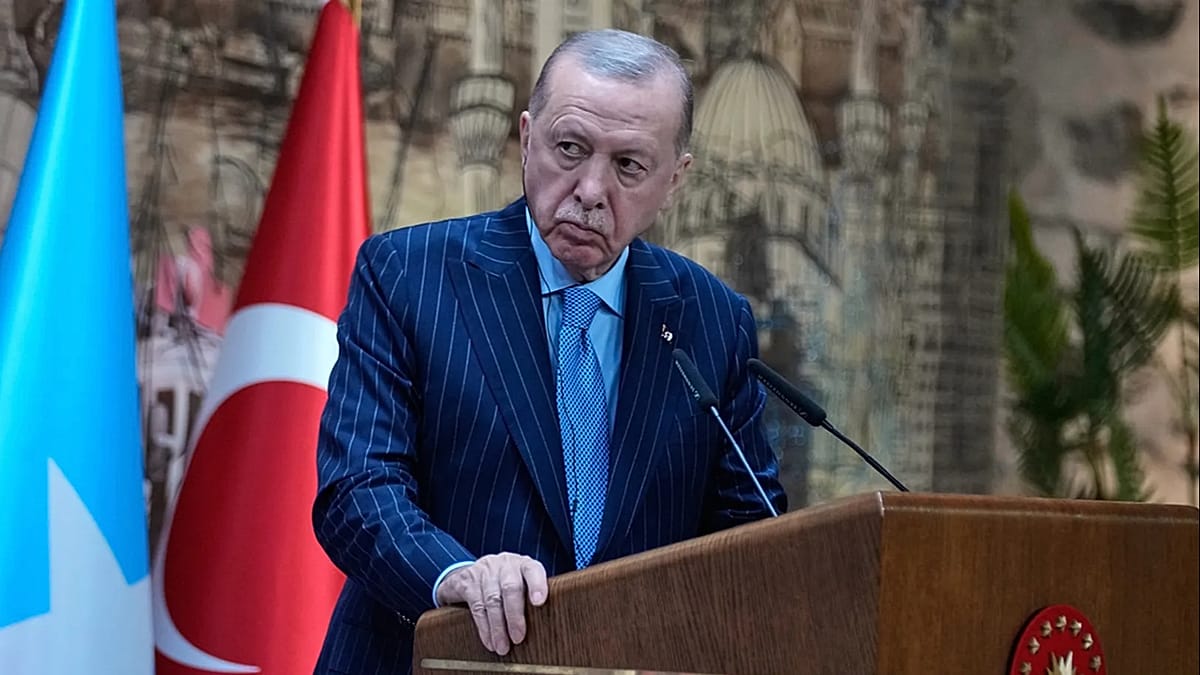
President Erdoğan, in a New Year’s address, underscored that Turkey’s foreign policy operates on the principles of justice, fairness, and conscience, with Syria and Gaza being paramount concerns. He highlighted the perceived progress towards political stability within Syria, directly linking this advancement to the possibility of refugee return. In 2025 alone, approximately 600,000 Syrians reportedly returned to their homeland from Turkey, a testament to the improving conditions.
This commitment isn’t simply humanitarian. Erdoğan expressed confidence that a strong and unified Syria, with its territorial integrity preserved, will contribute positively to regional and global stability. Crucially, the support offered by Ankara extends to all Syrian components – Arabs, Kurds, Turkmen, and individuals from various religious backgrounds including Sunnis, Shiites, and Alawites – without discrimination. This signals a move away from previously stated preferences and a broader understanding of Syrian inclusivity as a prerequisite for lasting peace.
Conditions for Support: Unity and Territorial Integrity of Syria
While the offer of support is significant, the Turkish government has clearly articulated its conditions. According to sources within the Turkish Ministry of Defense, Ankara is prepared to assist the Syrian government only if it demonstrates a commitment to bolstering Syria’s unity and safeguarding its territorial integrity. This stance is directly linked to concerns surrounding the actions of the Kurdish People’s Protection Units (YPG), known as the Syrian Democratic Forces (قسد) in Syria.
The Turkish government views the YPG/PKK as a terrorist organization and remains deeply concerned by their continued pursuit of demands for autonomy, including federalism and self-governance. Officials insist that any attempts to partition Syria are detrimental to its stability and will not be tolerated. Turkey’s insistence on a “one state, one army” principle underlines this viewpoint. They emphasize their ongoing cooperation with Damascus is centered around these key objectives.
The Role of the Syrian Army and Internal Security
Reinforcing the Syrian Arab Army’s authority throughout the country is considered essential by Ankara. They aim to see a unified internal security apparatus operating under central government control, eliminating overlapping authority and the potential for future conflict. This, naturally, impacts the ongoing negotiations with the قسد, which is the area of greatest sensitivity. This aspect of the new approach towards الوضع السوري (the Syrian situation) is directly related to Turkey’s own security concerns along the border.
Stalled Negotiations with قسد and Damascus’ Firm Stance
The agreement signed in March 2025 between Ahmed al-Shara, head of Syria’s transitional government, and Mazloum Abdi, commander-in-chief of the قسد, stipulated the integration of the قسد into the Syrian army and state institutions by the end of the year. However, implementation has stalled.
Syrian officials are now openly expressing frustration with the perceived lack of progress. Deputy Minister of Information, Abada Kujan, stated that communication with the قسد is currently suspended and that reports of an impending agreement are inaccurate. He affirmed that Damascus has put forward constructive proposals but that the قسد is deliberately delaying their implementation.
Ahmed Mowfaq Zeidan, a media advisor to Al-Shara, took an even firmer tone, warning that the قسد’s options are dwindling. He stressed that failure to uphold the terms of the agreement—which was brokered with the presence of key international players like Turkey and the United States—would carry significant consequences. The situation demands a solution that maintains Syrian unity and addresses Turkey’s legitimate security concerns, making اللاجئون السوريون (Syrian refugees) a key consideration in the ongoing discussions.
Looking Ahead: Challenges and Opportunities
The potential for increased Turkish support presents a significant opportunity for Syria’s reconstruction and stabilization. However, numerous challenges remain. The future role and integration of the قسد remain the most pressing concern, closely monitored by Turkey and other regional actors.
Successfully navigating these challenges requires continued dialogue, a commitment to inclusivity, and a willingness from all parties to compromise. The goal of a secure, unified, and politically stable Syria is ambitious, but the recent shift in Turkish policy, coupled with the ongoing efforts of the Syrian government, offers a path toward a more peaceful and prosperous future for the nation and its people.
For further insights, stay tuned to our ongoing coverage of the الأزمة السورية (Syrian crisis) and the evolving regional dynamics. We encourage readers to share their perspectives and engage in constructive discussions in the comments below.