





The recent statements by the Patriarch of the Chaldean Catholic Church in Iraq, Cardinal Louis Raphael Sako, regarding normalization with Israel have ignited a fierce debate within the country. His comments, linking the possibility of normalization to the new Iraqi government and referencing the historical Jewish presence in Babylon, were swiftly met with strong opposition, highlighting the deeply sensitive nature of this issue in Iraqi politics and society. This article will delve into the controversy, the official responses, the legal ramifications, and the broader context surrounding the discussion of relations with Israel.
ردود الفعل الرسمية على دعوة التطبيع
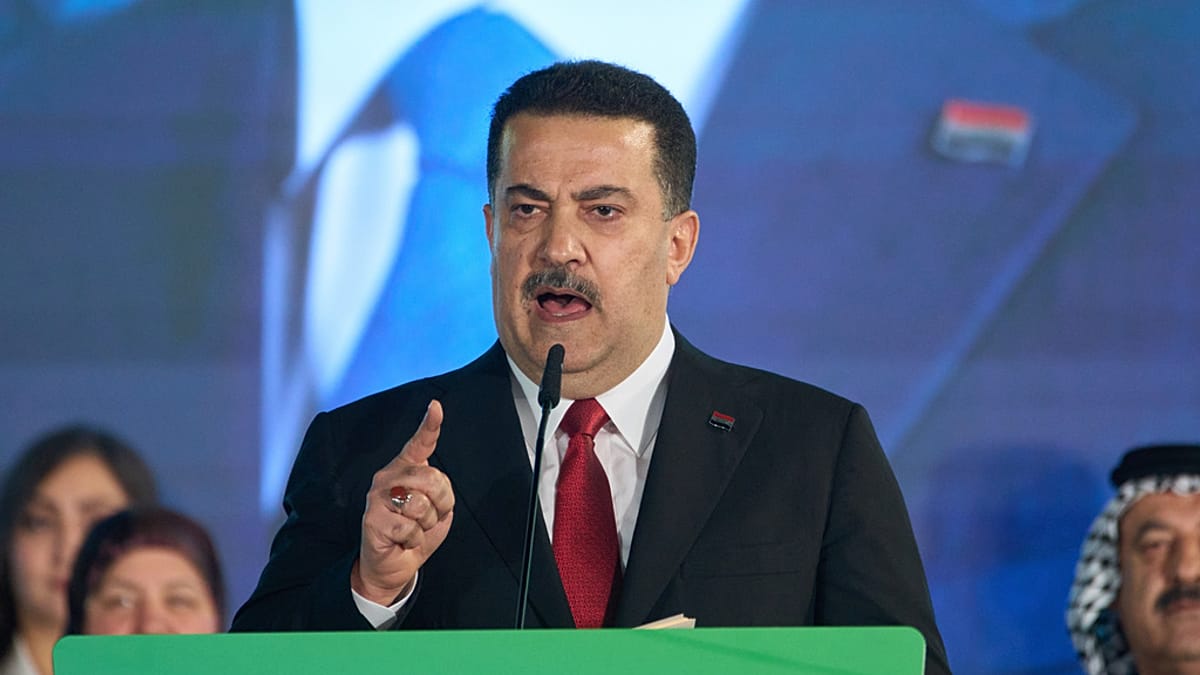
Prime Minister Mohammed Shia al-Sudani responded directly to Cardinal Sako’s remarks, unequivocally stating that normalization with Israel is “not in the country’s dictionary.” He framed the idea as a betrayal of Iraqi values and religious principles, associating it with a “occupying entity” that has violated the rights of both the land and its people. During a speech at St. Joseph’s Church in Baghdad, Sudani emphasized the unwavering commitment to the “issues of destiny” that define the Iraqi people’s identity.
He clarified that the government’s focus is on fostering unity and protecting its symbols, advocating for “brotherhood, love, and coexistence” rather than normalization. Sudani stressed that legal and constitutional obligations dictate Iraq’s relationship with Israel, effectively ruling out any official move towards recognizing or establishing ties. This firm stance reflects the prevailing political climate and the strong public sentiment against recognizing Israel.
توضيح البطريركية الكلدانية وتصعيد الموقف
Following the widespread backlash, the Chaldean Patriarchate issued a statement attempting to clarify Cardinal Sako’s intentions. The statement explained that the Patriarch’s call for normalization was meant to encourage improved relations among Iraq’s diverse components – Sunni, Shia, Kurds, Christians, and others – rather than with Israel. The Patriarchate highlighted the historical significance of Iraq as the birthplace of Abraham and a cradle of religions, suggesting a desire for internal reconciliation and unity.
However, this clarification did little to quell the controversy. Influential figures quickly weighed in, further escalating the situation. Muqtada al-Sadr, leader of the Sadrist Movement, demanded that official authorities “immediately” address the Cardinal’s statement, reiterating that normalization is a crime punishable under Iraqi law. He warned that anyone inciting or advocating for it, regardless of their position, would face legal consequences.
الإطار القانوني للتطبيع مع إسرائيل في العراق
The legal landscape in Iraq firmly prohibits any form of normalization with Israel. Law No. 1 of 2022 explicitly criminalizes travel to Israel, contact with Israeli entities, or even visiting their embassies or institutions abroad. Article 4 of the law prescribes severe penalties, including life imprisonment or lengthy prison sentences, for such actions.
Furthermore, Article 5 goes even further, stipulating the death penalty or life imprisonment for anyone establishing any kind of relationship with Israel – be it political, economic, cultural, or otherwise. This law has been actively enforced, as evidenced by the eight-year prison sentence handed down by a criminal court in Dhi Qar province to an individual convicted of inciting normalization. The severity of these penalties underscores the Iraqi government’s unwavering commitment to maintaining its anti-Israel stance. The legal framework serves as a significant deterrent and reflects the deep-seated political opposition to any form of engagement with Israel.
سياقات أوسع: التوترات الداخلية والتدخلات الخارجية
The debate over normalization occurs against a backdrop of complex internal and external pressures facing Iraq. There are increasing calls for the disarmament of Iraqi factions, aiming to consolidate security control under the state. Simultaneously, Iraq is navigating a delicate period of political transition, with ongoing disagreements between Sunni, Shia, and Kurdish political groups regarding the selection of a new Prime Minister.
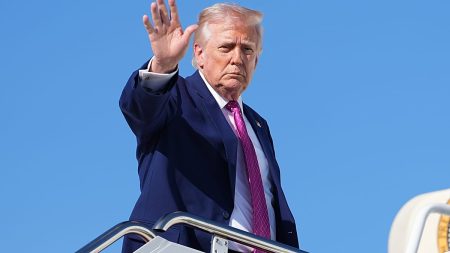
Adding another layer of complexity is the role of external actors. The appointment of Mark Savyia, an Iraqi-American, as a special envoy by former President Donald Trump, has been met with scrutiny. Savyia’s statements, particularly his calls for dismantling armed factions and preventing their participation in government, have been perceived as interference in Iraq’s internal affairs. His warnings about Iraq potentially falling back into “a spiral of complexity” have further fueled tensions. These external pressures, combined with internal divisions, create a volatile environment where discussions about sensitive issues like normalization are easily politicized.
مستقبل العلاقات العراقية الإسرائيلية
The current situation makes any immediate shift in Iraq’s policy towards Israel highly improbable. The strong legal prohibitions, coupled with the vehement opposition from key political and religious figures, create significant obstacles. While Cardinal Sako’s initial comments may have been misinterpreted or intended to spark a broader conversation about internal unity, they have inadvertently reinforced the existing hardline stance.
The future of Iraqi-Israeli relations will likely depend on broader regional developments and the evolution of Iraq’s internal political landscape. However, for the foreseeable future, normalization with Israel remains a deeply contentious issue, firmly outside the realm of political possibility in Iraq. Continued dialogue and a focus on internal reconciliation are crucial for navigating this sensitive topic and fostering a more stable and unified Iraq.