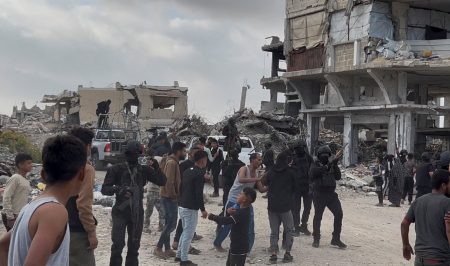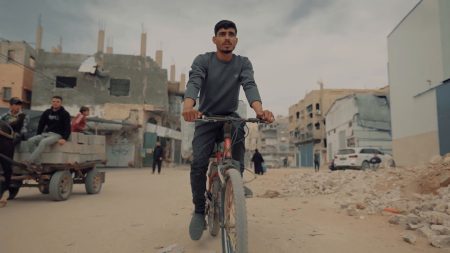




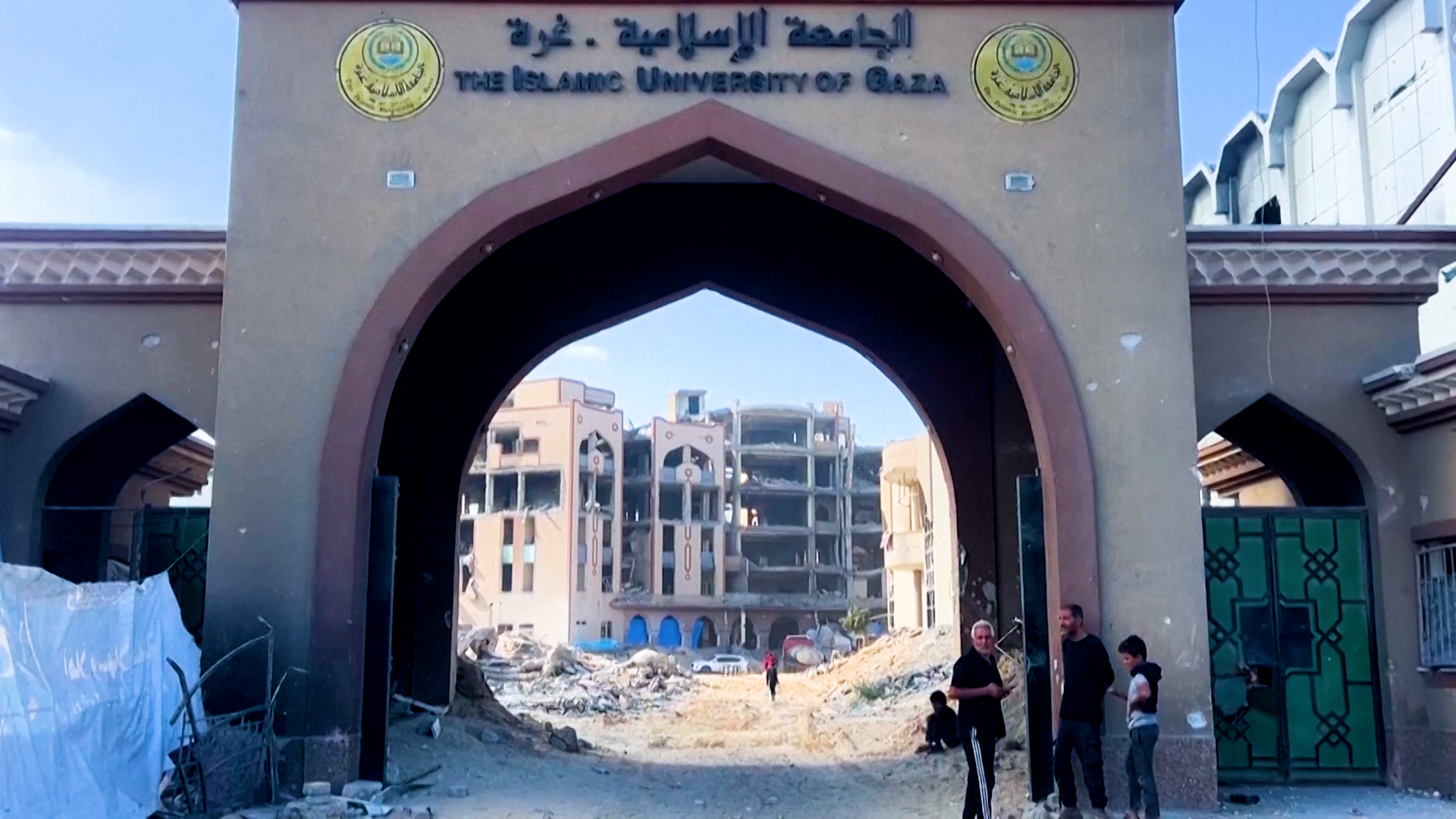
The air still carries the scent of rubble and memories of conflict, yet a remarkable scene unfolds in Gaza City. Despite the devastation, life is returning to the Islamic University of Gaza. After two years of disruption caused by the war, the university has reopened its doors to hundreds of students, offering a powerful symbol of resilience and a renewed hope for the future. This article explores the significance of this reopening, the challenges faced, and the unwavering determination of the Palestinian people to continue their pursuit of التعليم في غزة (Education in Gaza).
عودة الحياة إلى أروقة الجامعة الإسلامية بغزة (The Return of Life to the Halls of the Islamic University of Gaza)
The images circulating on social media are deeply moving. Students, carrying their books and dreams, walk through partially repaired buildings, structures that bear the scars of intense bombardment. The reopening of the Islamic University isn’t simply a resumption of academic life; it’s a defiant act of resistance against despair and destruction. On October 12, 2023, Israeli airstrikes targeted the university’s main campus, causing widespread damage and effectively halting studies. This occurred during the broader offensive launched following the Al-Aqsa Flood operation. Now, despite the ongoing hardships, the university is once again a beacon of knowledge.
تحديات ما بعد الحرب: ترميم الأمل والجامعة (Post-War Challenges: Restoring Hope and the University)
The road to reopening hasn’t been easy. The university suffered extensive damage, with many buildings rendered unusable. Resources are scarce, and the psychological impact of the war on both students and faculty is profound. However, the community has rallied together, engaging in tireless efforts to clear debris, make essential repairs, and create a safe learning environment. This process highlights the importance of إعادة إعمار غزة (Gaza Reconstruction), not just in terms of infrastructure, but also in rebuilding the social fabric and providing opportunities for future generations.
The partial restoration of the university buildings is a testament to the dedication of local workers and volunteers. While the facilities are far from perfect, they are sufficient to allow classes to resume, offering a crucial sense of normalcy to students who have endured unimaginable trauma. The lack of resources necessitates creative solutions and a reliance on community support.
فقدان الكفاءات الأكاديمية (Loss of Academic Expertise)
Tragically, the war resulted in the loss of numerous esteemed academic figures. Professors like Sufian Tayeh (Physics), Rafat Al-Ar’air (Linguistics), and Omar Farwana (Medicine & Surgery) were among those killed, leaving a significant void in the university’s intellectual landscape. Their absence is deeply felt by students and colleagues alike, but their legacy continues to inspire the pursuit of التعليم العالي في فلسطين (Higher Education in Palestine). The university is actively working to support remaining faculty and explore ways to address the loss of expertise.
رمزية العودة: إرادة لا تقهر (The Symbolism of the Return: An Unconquerable Will)
The return of students to the Islamic University is more than just a news story; it’s a powerful symbol of Palestinian resilience and determination. Social media users have widely shared images and videos of the reopening, praising the students’ unwavering commitment to their education. Many see this as a direct challenge to the occupation, a clear message that the Palestinian people will not be defeated.
The phrase “النهوض من تحت الركام” (rising from the rubble), often used metaphorically, has become a stark reality in Gaza. People are literally rebuilding their lives from the ruins of war, seeking opportunities for livelihood, repairing homes, and restoring essential services. The reopening of the university embodies this spirit of renewal and underscores the importance of education as a cornerstone of Palestinian identity and future.
دعم التعليم: استثمار في المستقبل (Supporting Education: Investing in the Future)
The international community has a crucial role to play in supporting the rebuilding of Gaza’s educational infrastructure. Establishing endowments and providing financial assistance to universities like the Islamic University are vital steps in ensuring that Palestinian students have access to quality education. This support is not merely humanitarian; it’s an investment in the future of Palestine and a commitment to fostering a generation of educated and empowered individuals.
Furthermore, advocating for the protection of educational institutions during times of conflict is paramount. Universities should be considered safe havens for learning and research, not targets for military action. The continued disruption of education in Gaza has long-term consequences, hindering the development of a skilled workforce and limiting opportunities for social and economic progress.
نحو مستقبل مشرق: الأمل يتجدد (Towards a Brighter Future: Hope Renewed)
The reopening of the Islamic University of Gaza is a beacon of hope amidst the darkness. It demonstrates the unwavering commitment of the Palestinian people to education, even in the face of unimaginable adversity. This act of defiance serves as a powerful reminder that knowledge is a fundamental human right and that the pursuit of learning can overcome even the most daunting obstacles. The story of the Islamic University is a testament to the enduring power of the human spirit and a call to action to support الجامعات في غزة (Universities in Gaza) and ensure a brighter future for all Palestinians. The resilience shown by students and faculty alike is truly inspiring and deserves global recognition and support.