



The global economic landscape is currently navigating a complex web of challenges, from geopolitical tensions to shifting demographics and financial vulnerabilities. Recent reports and analyses highlighted by “Business مع لبنى” (Business with Lubna) paint a picture of increasing instability and significant shifts in global trade and investment. This article delves into these key developments, examining the potential impacts on international markets and businesses. We will focus on recent events, including attacks on Russian shipping, the rise of ETFs, and challenges facing universities, offering a comprehensive overview of the current situation and potential future trends in الاستقرار الاقتصادي العالمي (global economic stability).
تداعيات استهداف السفن الروسية على التجارة العالمية (Impact of Targeting Russian Ships on Global Trade)
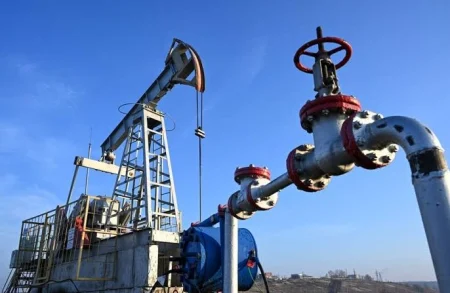
The recent escalation of attacks on ships linked to Russia in the Red Sea and other crucial waterways has sent ripples through the global shipping industry. These attacks, attributed to groups opposing the ongoing conflicts, have led to increased insurance costs, rerouting of vessels, and delays in deliveries. This directly impacts الاستقرار الاقتصادي العالمي by raising transportation costs for a wide range of goods, ultimately contributing to inflationary pressures.
ارتفاع تكاليف التأمين والشحن (Rising Insurance and Shipping Costs)
Companies involved in the transport of goods are facing significantly higher premiums for insurance coverage. In addition to insurance, the longer routes now required to avoid conflict zones add fuel costs and reduce the efficiency of global supply chains. This, in turn, increases the price of goods for consumers worldwide.
المخاطر على سلاسل الإمداد (Risks to Supply Chains)
The disruptions to shipping routes expose vulnerabilities in existing supply chains. Businesses that rely on just-in-time delivery systems are particularly at risk, and are forced to consider building up larger inventories, which themselves come with storage and financial costs. This situation highlights the increased need for التنويع في سلاسل الإمداد (diversification of supply chains).
مشاريع بالم هيلز الاستثمارية في أبوظبي (Palm Hills Investment Projects in Abu Dhabi)
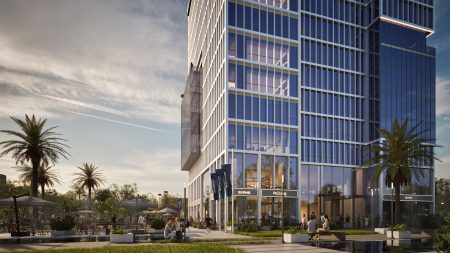
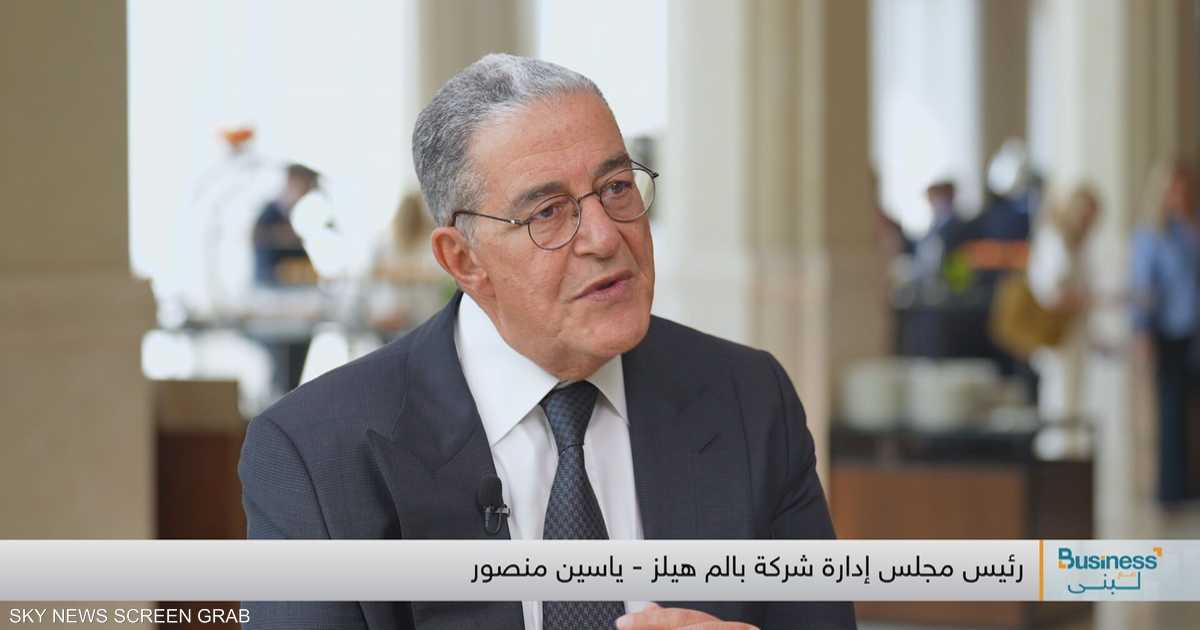
Shifting focus to more positive developments, Palm Hills recently launched a $3.8 billion project in Abu Dhabi, signaling continued investment and confidence in the region’s economic prospects. This ambitious undertaking, showcasing the strength of الاستثمار العقاري (real estate investment), is expected to create numerous jobs and contribute significantly to the local economy.
تعزيز مكانة أبوظبي كمركز استثماري (Strengthening Abu Dhabi’s Position as an Investment Hub)
The project aligns with Abu Dhabi’s strategy to diversify its economy and establish itself as a leading global investment destination. Attracting large-scale developments like this reinforces confidence in the emirate’s business environment and long-term economic growth potential.
التحديات المالية التي تواجه الجامعات البريطانية (Financial Challenges Facing British Universities)
Across the globe, the economic climate is impacting institutions differently. “Business مع لبنى” also shed light on the financial difficulties facing up to 50 universities in Britain. Rising costs, declining student enrollment (particularly from international students), and funding cuts are all contributing to a looming crisis of potential insolvency. This will inevitably impact the availability and quality of higher education, raising questions about long-term human capital development and potentially affecting النمو الاقتصادي المستقبلي (future economic growth) in the UK.
صناديق المؤشرات المتداولة: سوق متنامية (ETFs: A Growing Market)
The increasing popularity of Exchange Traded Funds (ETFs) is transforming the investment landscape. ETFs offer investors a convenient and cost-effective way to diversify their portfolios. Their market size is massive, now comparable to the entire economy of China, a testament to their rapid growth and widespread adoption. Driven by advancements in financial technology and a growing demand for passive investment strategies, ETFs are poised for further expansion, impacting أسواق المال العالمية (global financial markets).
دخول صناديق ETF من وول ستريت إلى أسواق أبوظبي (Entry of ETFs from Wall Street into Abu Dhabi Markets)
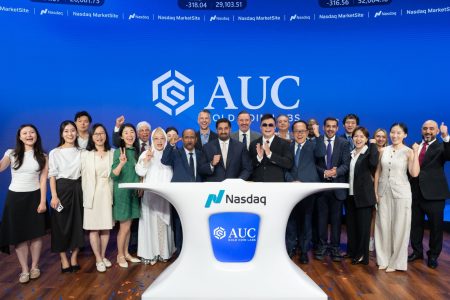
The anticipation surrounding the potential listing of ETFs originating from Wall Street in Abu Dhabi highlights the growing interconnectedness of global financial markets. This move, as reported by ساسين, could unlock new investment opportunities and further attract international capital to the region.
ارتفاع مبيعات الأسلحة عالميًا (Global Arms Sales Increase)
Unfortunately, geopolitical instability is having a dark side effect: a surge in global arms sales. “Business مع لبنى” reported shocking figures illustrating the escalating demand for weapons amidst ongoing conflicts worldwide. This increase in military spending diverts resources away from crucial areas like education, healthcare, and sustainable development, exacerbating existing global challenges. This trend, while benefiting the arms industry, casts a shadow over overall الاستقرار الاقتصادي العالمي.
انقسامات أوروبية وتداعياتها (European Divisions and Their Consequences)
Recent political developments have revealed new divisions within Europe, raising concerns about the future of the continent’s defense alliance. These internal disagreements could weaken the collective security response to emerging threats and negatively impact economic cooperation, presenting a significant challenge to long-term الاستقرار الاقتصادي العالمي. While the extent of the potential collapse remains uncertain, the situation warrants close attention.
تحديات سوق العمل في ألمانيا والهجرة (German Labor Market Challenges and Immigration)
Germany is facing a demographic challenge that impacts its labor force. “Business مع لبنى” highlighted the country’s need for approximately 250,000 immigrants annually to maintain a healthy and productive workforce. This highlights the critical role of immigration in addressing labor shortages and sustaining economic growth in developed nations. However, it also underscores the complex political and social implications associated with immigration policies, impacting societal cohesion and potentially fueling populist sentiments, further affecting الاستقرار الاقتصادي العالمي.
In conclusion, the insights presented by “Business مع لبنى” reveal a turbulent global economic environment. From disruptions to trade routes and financial struggles in developed nations to increasing military spending and political divisions, the challenges are multifaceted and interconnected. The rise of ETFs and investment projects like the one in Abu Dhabi offer glimmers of hope, but a proactive and collaborative approach is essential to navigate these complexities and safeguard الاستقرار الاقتصادي العالمي. We encourage readers to share their perspectives and engage in further discussion on these crucial topics.