




The anticipation is building as the second round of matches in the Arab Cup 2025 unfolds, with crucial implications for qualification. Following Morocco’s confident victory and Saudi Arabia’s narrow win in the opening games, the focus shifts to the upcoming clashes. This article delves into the key matchups, team preparations, and potential outcomes, particularly analyzing the كأس العرب 2025 (Arab Cup 2025) competition and the challenges facing each team.
Morocco and Oman Clash for Vital Points
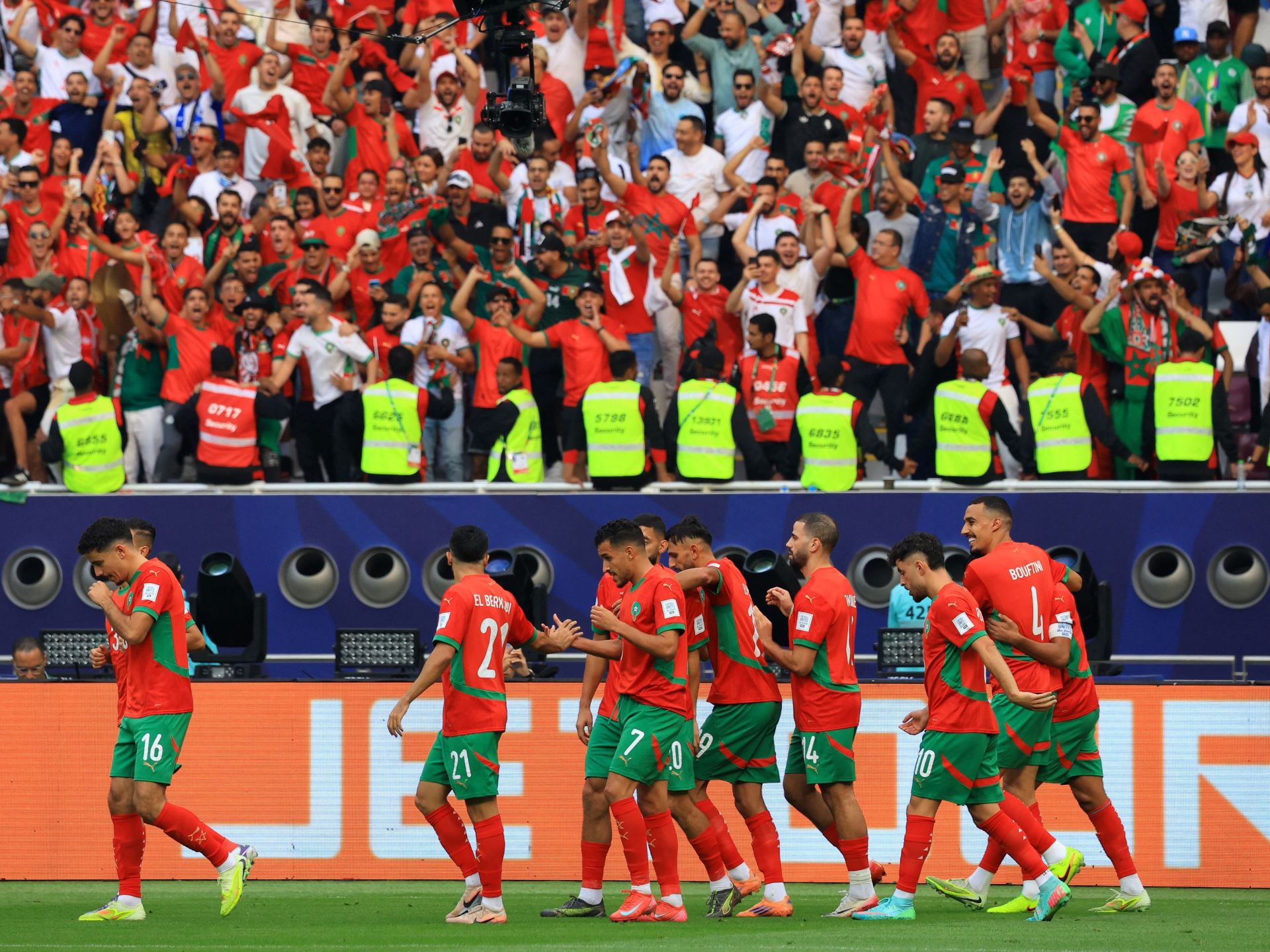
The match between Morocco and Oman on Friday at the Education City Stadium in Doha promises to be a captivating encounter. Morocco, having secured a comfortable 3-1 win against Comoros, aims to solidify their position at the top of Group Two and move closer to the quarter-finals. Oman, however, faces a must-win situation after their 2-1 defeat to Saudi Arabia.
Morocco’s coach, Tarik Sektioui, acknowledges the importance of maintaining momentum. Despite missing key players Hamza Hanouri and Ashraf Bencharki due to injury – a significant blow to their squad – he remains optimistic. “There are impactful absences for us, players who were ready and prepared,” Sektioui stated in a press conference. He’s looking to leverage the team’s positive spirit and build on their opening victory.
Oman will need to significantly improve their performance to challenge the Moroccan side. Morocco’s players, largely based in African and Arab leagues, are a formidable force, led by goalkeeper Shahab Noureddine, defender Hamza Moussaoui, and the attacking trio of Tissoudali, Karim El Berkaoui, and veteran Abdelrazak Hamdallah. Moroccan defender Anass Bach emphasized Oman’s resilience, noting their ability to push Saudi Arabia close in the first match.
Saudi Arabia Looks to Secure Second Victory
Meanwhile, Saudi Arabia will be looking to continue their winning streak against Comoros at the Al Bayt Stadium in Al Khor. Their opening win against Oman was hard-fought, and coach Carlos Queiroz expressed dissatisfaction with the refereeing decisions following the match. He stressed the need for improvement and expects a strong showing from his team.
“We learned from the mistakes of the previous match and we are ready,” Queiroz said, also adding a touch of confidence aimed at Oman, “I hope Oman shows the necessary skills and is the best on the field. If we win, I hope you don’t consider it a surprise because it’s a football match.” This statement highlights the competitive nature of the بطولة كأس العرب (Arab Cup Championship) and the expectation of strong performances from all participating teams.
Despite Queiroz’s absence due to commitments with the 2026 World Cup draw and coaching workshops, Saudi Arabia is expected to dominate the match. Assistant coach François Rodriguez will take charge, relying on the talent of players like Salem Al-Dossari, who was named the best player in Asia and provided two assists in the first game.
The Impact of Squad Rotation and Preparation
Both Saudi Arabia and Morocco are utilizing this tournament to assess players and prepare for future competitions, including the Africa Cup of Nations (AFCON) which Morocco will host starting December 21st. This means a degree of squad rotation is expected, offering opportunities for emerging talents to showcase their abilities. However, the desire to progress deep into the كأس العرب remains strong.
Queiroz pointed out that many African teams aren’t fielding their strongest lineups due to the impending AFCON. “All the African teams are not playing with their first team due to (participation in) the Africa Cup of Nations in a few days, but they are enjoyable and their football is wonderful,” he commented. This context adds another layer of complexity to the tournament dynamics.
Key Players and Tactical Considerations
The success of both Morocco and Saudi Arabia will depend heavily on the performance of their key players. For Morocco, Tissoudali’s goal-scoring threat and Hamdallah’s experience will be crucial. Oman will need to rely on the creativity of Essam Al-Sabahi, their forward from Iraqi Air Force Club, and the solidity of goalkeeper Ibrahim Al-Mukhaini.
Saudi Arabia’s reliance on Salem Al-Dossari’s playmaking ability is evident. His ability to unlock defenses and create scoring opportunities will be vital against Comoros. Tactically, both teams are expected to adopt a balanced approach, prioritizing defensive stability while looking to exploit attacking opportunities. The midfield battle will be particularly important in dictating the tempo of the games.
In conclusion, the second round of the كأس العرب 2025 promises exciting football and crucial moments for qualification. Morocco and Saudi Arabia are in strong positions, but Oman cannot be written off, especially if they can address their shortcomings from the first match. The tournament provides a valuable platform for these teams to test their squads, refine their tactics, and build momentum for future challenges. Fans can expect intense competition, skillful displays, and potentially some surprising results as the Arab Cup unfolds. Stay tuned for further updates and analysis as the tournament progresses!