



The escalating tensions between Pakistan and Afghanistan, as analyzed by Russian international relations expert Yuri Kuznetsov, pose a significant threat of a wider conflict in the region. This potential for instability stems from converging interests of major regional powers and could reshape the geopolitical landscape of East Asia. The current situation, marked by accusations and border clashes, demands careful examination and understanding. This article delves into the core issues driving the Pak-Afghan crisis, the role of external actors, and the potential consequences for regional security.
The Root of the Conflict: Taliban Pakistan & Border Disputes
The primary source of friction between Islamabad and Kabul lies in Pakistan’s accusations that the Afghan Taliban are providing support to the Tehrik-i-Taliban Pakistan (TTP), commonly known as Taliban Pakistan. Pakistani officials, including the Chief of Army Staff Asim Munir, have explicitly called on the Afghan authorities to choose between supporting the TTP and maintaining positive relations with Pakistan. Islamabad views this support as an existential threat, fueling insurgency within its borders and destabilizing the region.
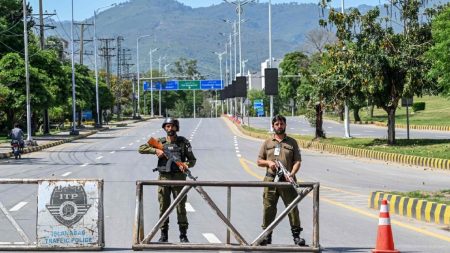
This issue is compounded by the unresolved status of the Durand Line, the approximately 2,600-kilometer border between Afghanistan and Pakistan. Kabul does not recognize the Durand Line as an internationally accepted border, a long-standing grievance that contributes to the ongoing tensions. Over the past few years, the border region has witnessed a marked increase in skirmishes and a general atmosphere of distrust.
Escalation and Retaliatory Actions
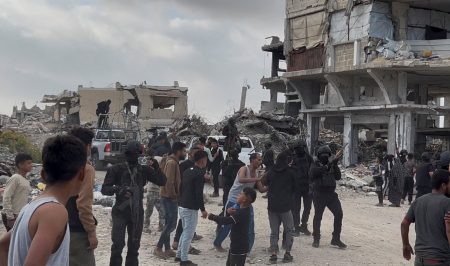
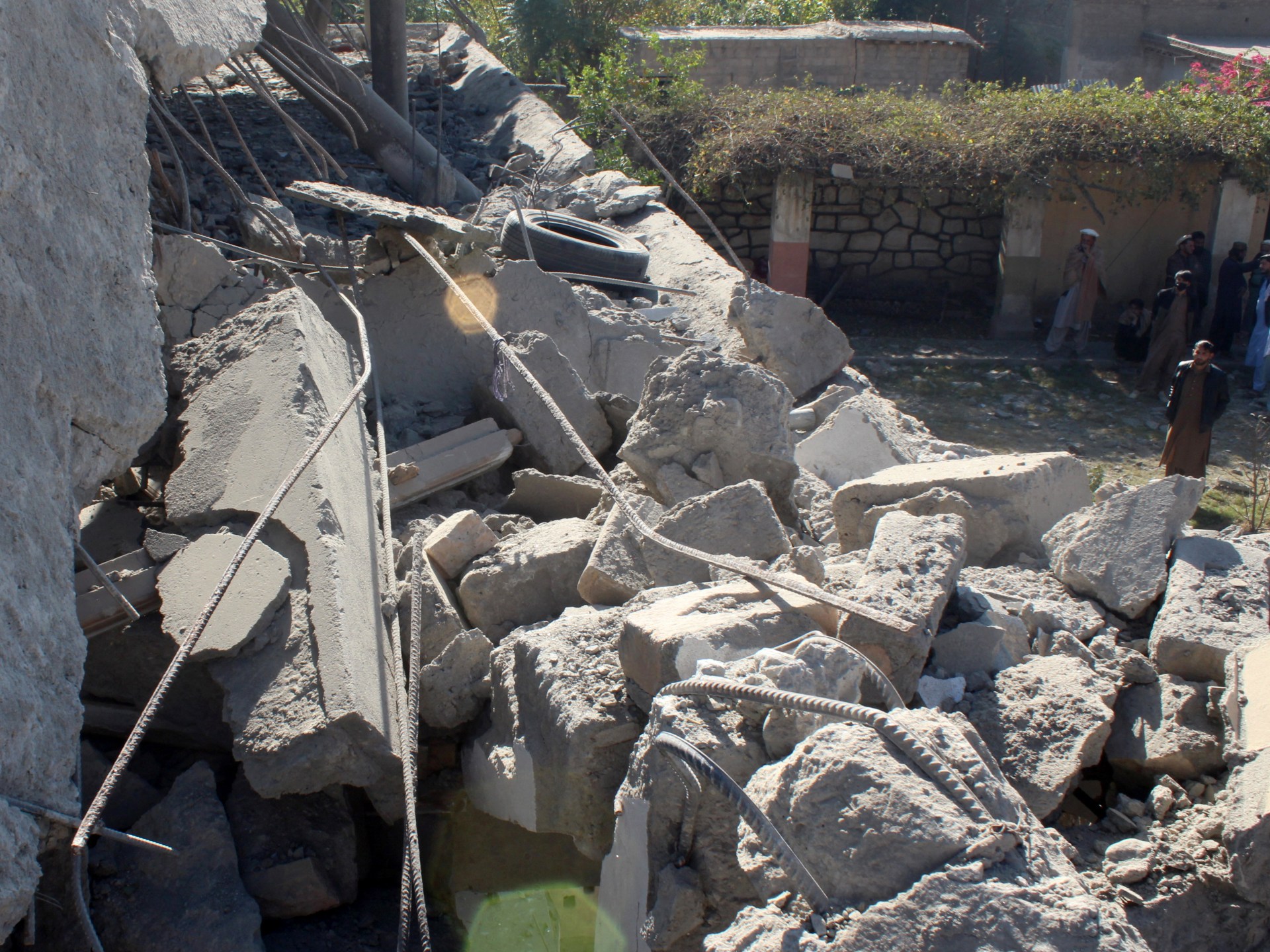
The situation deteriorated significantly in recent months, culminating in dangerous clashes along the border in October. Pakistan responded with airstrikes inside Afghanistan, targeting alleged bases of the TTP and affiliated groups, including the Balochistan Liberation Army. These strikes, while presented as necessary for national security, were condemned by the Afghan Taliban as violations of sovereignty.
Afghanistan, in turn, has accused Pakistan of supporting groups opposed to the current government. While both sides have engaged in negotiations and even agreed to a ceasefire in October, these efforts have, according to Kuznetsov, failed to yield a lasting solution. The ceasefire, despite three rounds of talks, hasn’t fundamentally addressed the core concerns of either nation.
Afghanistan’s Growing Ties with India: A Strategic Shift
A key development highlighted by Kuznetsov is Afghanistan’s increasing alignment with India. Driven by the perceived lack of support from Pakistan and the desire for economic alternatives, Kabul has actively sought to strengthen its relationship with New Delhi. In late November, Afghanistan invited India to expand trade and establish shipping facilities within the country.
This move is particularly significant as it seeks to bypass Pakistan as a transit route. The Afghan Minister of Industry and Commerce, Haji Nooruddin Azizi, requested Indian assistance in establishing regular maritime transport lines through Iran’s Chabahar Port, which is operated by India. This would allow Afghanistan to export its goods directly to Indian markets, reducing its dependence on Pakistan and potentially diminishing Islamabad’s strategic leverage. The pursuit of trade routes with India represents a clear strategic shift for Afghanistan.
Investment and Economic Cooperation
Discussions between Afghan and Indian officials have also focused on investment opportunities and joint projects aimed at boosting the Afghan economy. Facilitating visa procedures for Afghan traders was another priority, demonstrating Kabul’s commitment to fostering closer economic ties. This collaboration extends to various vital sectors, signaling a broader partnership beyond just trade.
Regional Implications: China’s Concerns and a New Alliance?
The evolving dynamics between Afghanistan, Pakistan, and India have broader regional implications. Kuznetsov argues that this shift away from the China-Pakistan axis threatens the Belt and Road Initiative (BRI), a cornerstone of China’s foreign policy. A stronger India-Afghanistan relationship could potentially undermine China’s influence in the region.
Consequently, China is unlikely to passively accept this changing landscape. Kuznetsov suggests that Beijing may employ a range of tools – political, diplomatic, and potentially military – to counter India’s growing influence and protect its interests. The potential for increased Chinese involvement in the region adds another layer of complexity to the regional security challenges.
The situation also raises the possibility of a new regional alliance forming between Afghanistan, India, and Iran. This alliance, driven by shared concerns about Pakistan’s regional policies and a desire for economic cooperation, could significantly alter the balance of power in South and Central Asia.
Conclusion: A Precarious Situation Demanding Dialogue
The Pak-Afghan crisis is a complex and multifaceted issue with the potential to escalate into a wider conflict. The combination of unresolved border disputes, accusations of supporting terrorist groups, and shifting regional alliances creates a highly volatile environment. While the recent ceasefire offers a glimmer of hope, it is insufficient to address the underlying causes of the tension.
A sustained and meaningful dialogue between Pakistan and Afghanistan, facilitated by regional and international actors, is crucial to de-escalate the situation and prevent further instability. Addressing the issue of cross-border terrorism, respecting Afghanistan’s sovereignty, and finding a mutually acceptable solution to the Durand Line dispute are essential steps towards building a lasting peace. Ignoring these challenges risks a prolonged period of conflict and uncertainty, with potentially devastating consequences for the entire region.