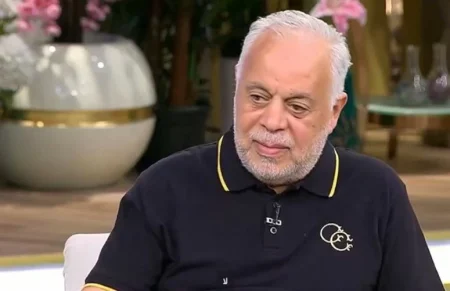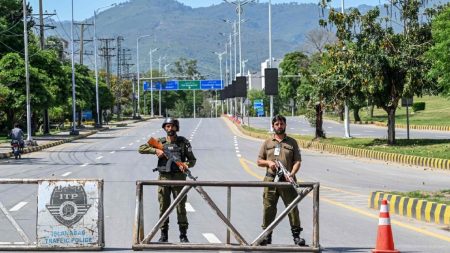



The Sudanese Prime Minister, Kamal Idris, has presented a new peace initiative to the United Nations Security Council, signaling a significant shift in the country’s approach to resolving the ongoing conflict. This move underscores the government’s commitment to a peaceful resolution and its desire to take the lead in shaping Sudan’s future. The core of this initiative, and the focus of this article, is مبادرة السلام السودانية (the Sudanese Peace Initiative), a comprehensive plan aiming to end the devastating war and pave the way for stability.
تفاصيل مبادرة السلام السودانية: رؤية جديدة للخروج من الأزمة (Details of the Sudanese Peace Initiative: A New Vision for Exiting the Crisis)
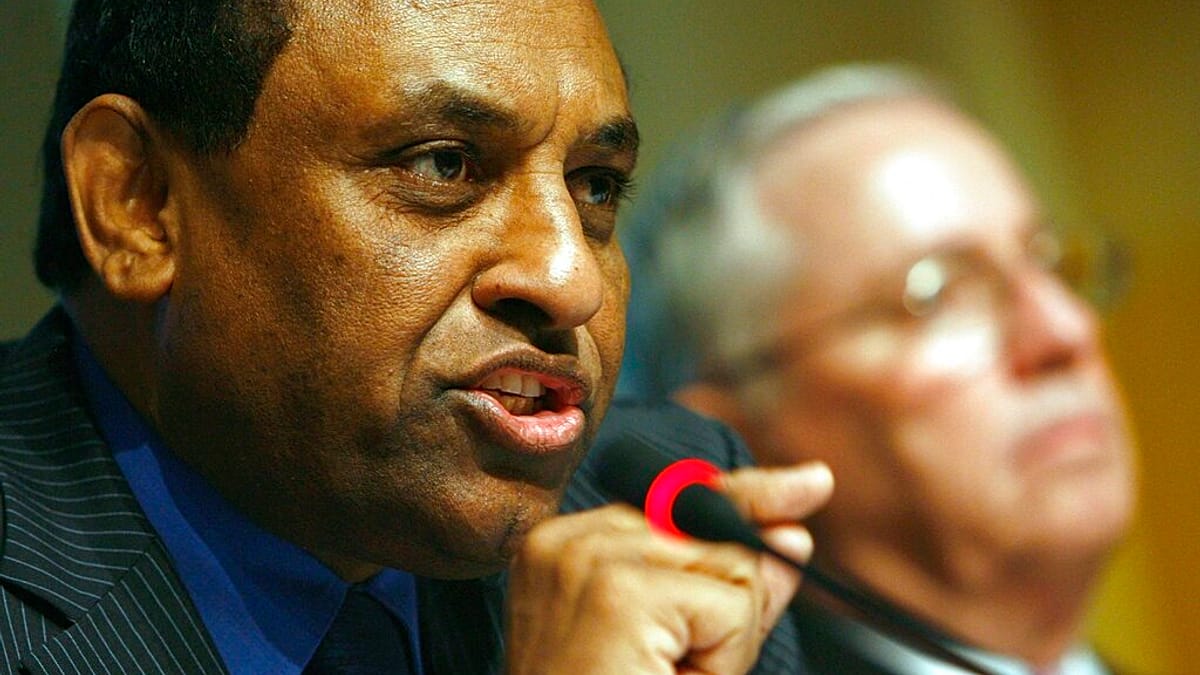
During a press conference held in Port Sudan following his return from New York, Prime Minister Idris emphasized that Sudan is not a proponent of war, but rather a staunch advocate for peace. He stated that the initiative presented to the Security Council represents Sudan’s vision for resolving the current crisis, a vision born from the Sudanese people’s overwhelming desire for peace. The initiative isn’t simply a plea for ceasefire; it’s a structured approach to address the root causes of the conflict and build a sustainable future.
The key component of مبادرة السلام السودانية revolves around a comprehensive ceasefire coupled with the disarmament and regrouping of the Rapid Support Forces (RSF). The government insists on the complete disarmament of the RSF and their concentration in designated camps, a crucial step towards re-establishing state authority and security. Idris was firm in stating Sudan’s sovereignty, rejecting any external military intervention. He clarified that while international monitoring is acceptable, it must be based on a clear and explicit agreement.
نقلة استراتيجية: من التلقي إلى تقديم المبادرات (Strategic Shift: From Receiving to Presenting Initiatives)
Prime Minister Idris characterized the presentation of the initiative as a strategic turning point for Sudan. “We have moved from a position of receiving proposals to one of proactively offering solutions,” he explained. This signifies a growing confidence in the government’s ability to navigate the complex political landscape and a desire to be seen as a key player in determining its own destiny.
Furthermore, the presentation to the Security Council is viewed as an international recognition of the legitimacy of the civilian government. This acknowledgement is vital for securing international support and fostering a conducive environment for the implementation of the مبادرة السلام السودانية. The government plans to engage in direct consultations with neighboring countries to elaborate on the details of the initiative and garner regional backing. Success, Idris stressed, is not merely a national concern but holds immense importance for the stability of the entire region.
حوار سوداني – سوداني شامل تحت الرقابة الإقليمية (Comprehensive Sudanese-Sudanese Dialogue Under Regional Supervision)
The core of the initiative is a call for an inclusive “Sudanese-Sudanese dialogue” that leaves no one behind. This dialogue aims to address the underlying grievances and foster national reconciliation. The plan emphasizes community integration and healing the deep societal divisions exacerbated by the conflict.
Specifically, the مبادرة السلام السودانية outlines the following key steps:
- A complete cessation of hostilities under regional and international supervision.
- The withdrawal of the RSF from all areas under their control.
- The regrouping of RSF elements in specifically designated locations.
This comprehensive approach aims to create a secure environment conducive to meaningful political negotiations. The government believes that a locally-owned and led process is essential for achieving lasting peace.
الوضع الإنساني المتردي وتصاعد القتال (Deteriorating Humanitarian Situation and Escalating Fighting)
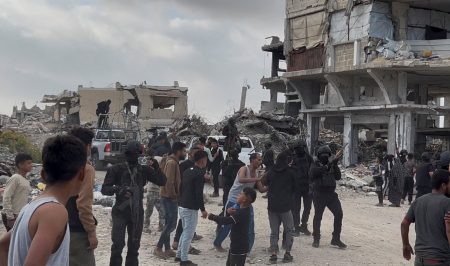
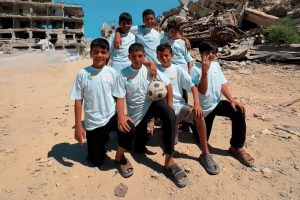
The launch of this initiative comes at a critical juncture, as the humanitarian situation in Sudan continues to deteriorate rapidly. The conflict, which erupted in April 2023 between the Sudanese army and the RSF due to disagreements over the integration of military forces, has resulted in the tragic loss of tens of thousands of lives and the displacement of approximately 13 million people.
Recent weeks have witnessed a surge in fighting, particularly in the three states of the Kordofan region, leading to further mass displacement. Currently, the RSF controls five states in the Darfur region, with the army maintaining control over the remaining 13 states, including the capital, Khartoum. This geographical division underscores the urgency of finding a peaceful resolution to prevent further fragmentation and suffering. The الأزمة السودانية (Sudanese Crisis) demands immediate attention and a concerted effort from all stakeholders.
التحديات المستقبلية وفرص النجاح (Future Challenges and Opportunities for Success)
While the مبادرة السلام السودانية represents a hopeful step forward, significant challenges remain. Gaining the full cooperation of the RSF, securing regional consensus, and addressing the deep-rooted political and economic issues that fueled the conflict will be crucial for its success. Furthermore, ensuring the effective delivery of humanitarian aid to those in need is paramount.
However, the initiative also presents unique opportunities. The government’s proactive approach, coupled with the growing international recognition of its legitimacy, could create a favorable environment for negotiations. The emphasis on an inclusive Sudanese-led dialogue offers the potential to address the concerns of all parties and build a more just and equitable society. The involvement of regional actors, as proposed by the initiative, is also vital for ensuring its long-term sustainability. Ultimately, the success of this initiative hinges on the commitment of all Sudanese stakeholders to prioritize peace and work towards a shared future. The مستقبل السودان (Future of Sudan) depends on it.