



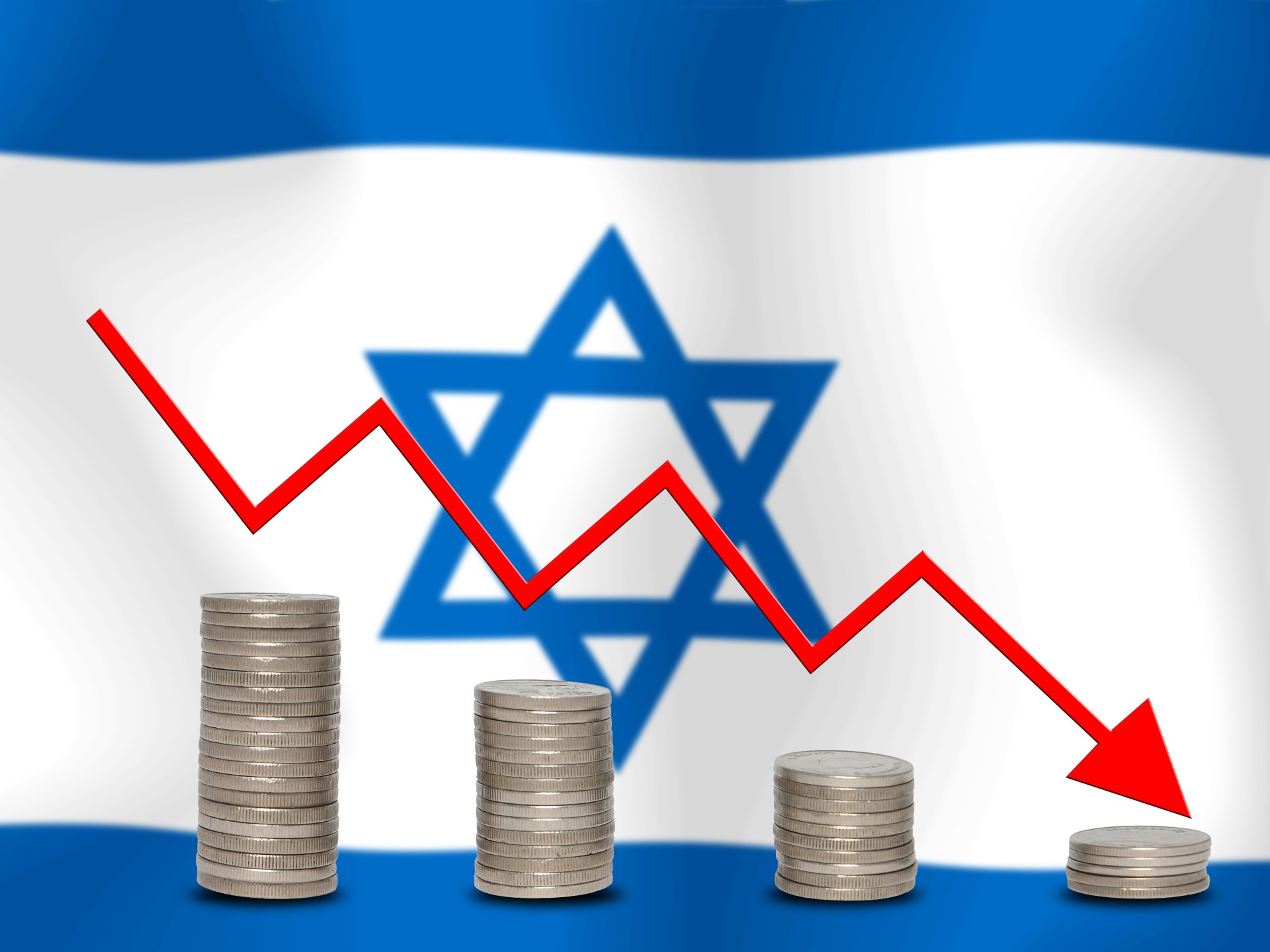
The Israeli economy is currently facing a critical juncture, with recent assessments indicating a heightened vulnerability to a prolonged economic crisis stemming from the ongoing conflict. The surge in defense expenditure, coupled with a widening fiscal deficit and slowing productivity, is creating a complex and challenging scenario that threatens the livelihoods of citizens and overall economic growth. This article delves into the key findings of the “State of the Nation 2025” report by the Taub Center for Social Policy Research, examining the pressures weighing on the Israeli economy and outlining potential future consequences.
الحرب تثقل كاهن الاقتصاد الإسرائيلي: نظرة عامة على التحديات
The Taub Center report, detailed in the Israeli newspaper Globes, highlights the significant impact of increased military spending during the war. This has led to a substantial rise in the fiscal deficit and the debt-to-GDP ratio, simultaneously increasing the cost of servicing the debt. This is compounded by a decline in productivity and private consumption. After a decade of gradual debt reduction, indicators have reversed direction, pushing the debt-to-GDP ratio to around 70% this year – a 10 percentage point increase since the start of the conflict. The direct burden of the debt has also jumped by approximately 8 billion shekels (2.5 billion dollars) in just one year. This escalating debt is a primary concern for the future stability of the Israeli economy.
الإنفاق الدفاعي والضغط على الخدمات المدنية
Researchers Benjamin Bental and Leib Shami warn that sustained high defense budgets over the next decade will inevitably squeeze civilian spending, creating a vicious cycle of weakened economic growth. This reduction in growth will exacerbate resource scarcity, necessitating cuts in vital public investments and ultimately lowering the overall GDP growth rate. Such a trajectory could jeopardize the nation’s capacity to fund even its core defense needs in the long run. Maintaining current levels of civilian spending, while admirable, is unsustainable without substantial acceleration in economic growth.
تناقضات في سوق العمل: معدلات بطالة منخفضة وإنتاجية متدنية
A striking paradox is evident in the Israeli labor market. Despite a remarkably low unemployment rate of around 3%, productivity remains significantly lower compared to nations such as Austria, Denmark, the Netherlands, Finland, and Sweden. The value added per worker has shrunk from a 20% gap between Israel and these benchmark countries between 2015 and 2023 to 12%, largely driven by narrowing differences in the IT and communications sector.
فهم الفجوة في الإنتاجية
However, the per-hour productivity gap remains substantial, decreasing only from 36% to 30% across the economy. Within the industrial sector, the gap persists at approximately 40%. This discrepancy is partly attributed to Israelis working, on average, 25% more hours annually compared to their counterparts in the comparator nations. This points to potential inefficiencies in how work is organized and the intensity of labor. Improving economic productivity is therefore crucial for sustainable growth.
قطاع التكنولوجيا: محرك نمو ولكنه غير كاف
The technology sector continues to be a key driver of the Israeli economy, accounting for roughly 60% of exports and contributing 20% to GDP. Since 2018, it has generated 40% of the country’s economic growth. Exports of tech services have surged from $15 billion in 2013 to $55 billion in 2024, according to the Israel Innovation Authority.
Despite this impressive performance, the report cautions that this momentum isn’t enough to compensate for the broader shortcomings in productivity across other sectors. The capital-per-worker gap also remains significant, standing at roughly half the level seen in comparable countries. This limits the overall economy’s ability to improve living standards. Addressing these structural issues impacting the Israeli economy requires a comprehensive strategy.
غلاء المعيشة: أزمة هيكلية مزمنة
The report directly links declining living standards to the high cost of living in Israel. The price of a standard consumer basket was approximately 13% higher in 2023 compared to five benchmark countries. A long-term price level gap of around 29% exists between Israel and the average of OECD nations.
أسباب ارتفاع تكاليف المعيشة
This is attributed to several structural factors, including:
- Limited competition in certain service sectors.
- High operating costs for businesses.
- Import restrictions.
- Regulations hindering the entry of new companies.
- Lack of economies of scale in a small, geographically isolated economy.
These systemic issues require targeted policy interventions to alleviate the burden on households and foster a more affordable living environment within the framework of the Israeli economy.
In conclusion, the “State of the Nation 2025” report paints a concerning picture of the Israeli economy. While the technology sector remains a strength, underlying weaknesses in productivity, rising debt levels, and structural issues driving up the cost of living threaten to derail economic progress. Addressing these challenges will require a concerted effort from policymakers to prioritize long-term sustainable growth over short-term fixes, potentially seeking new avenues for investment and bolstering competitiveness across all sectors. Further research and ongoing monitoring of these indicators are crucial to navigating the current economic landscape and ensuring a stable future.