


The recent developments in Venezuela, particularly the arrest of former President Nicolás Maduro in New York and the subsequent calls for his release, have plunged the nation into a state of uncertainty. This article delves into the details of Maduro’s arrest, the US response urging citizens to leave, ongoing negotiations, and the internal situation within Venezuela, focusing on the evolving أزمة فنزويلا (Venezuela Crisis).
اعتقال مادورو وتصاعد الأزمة (Maduro’s Arrest and Escalating Crisis)
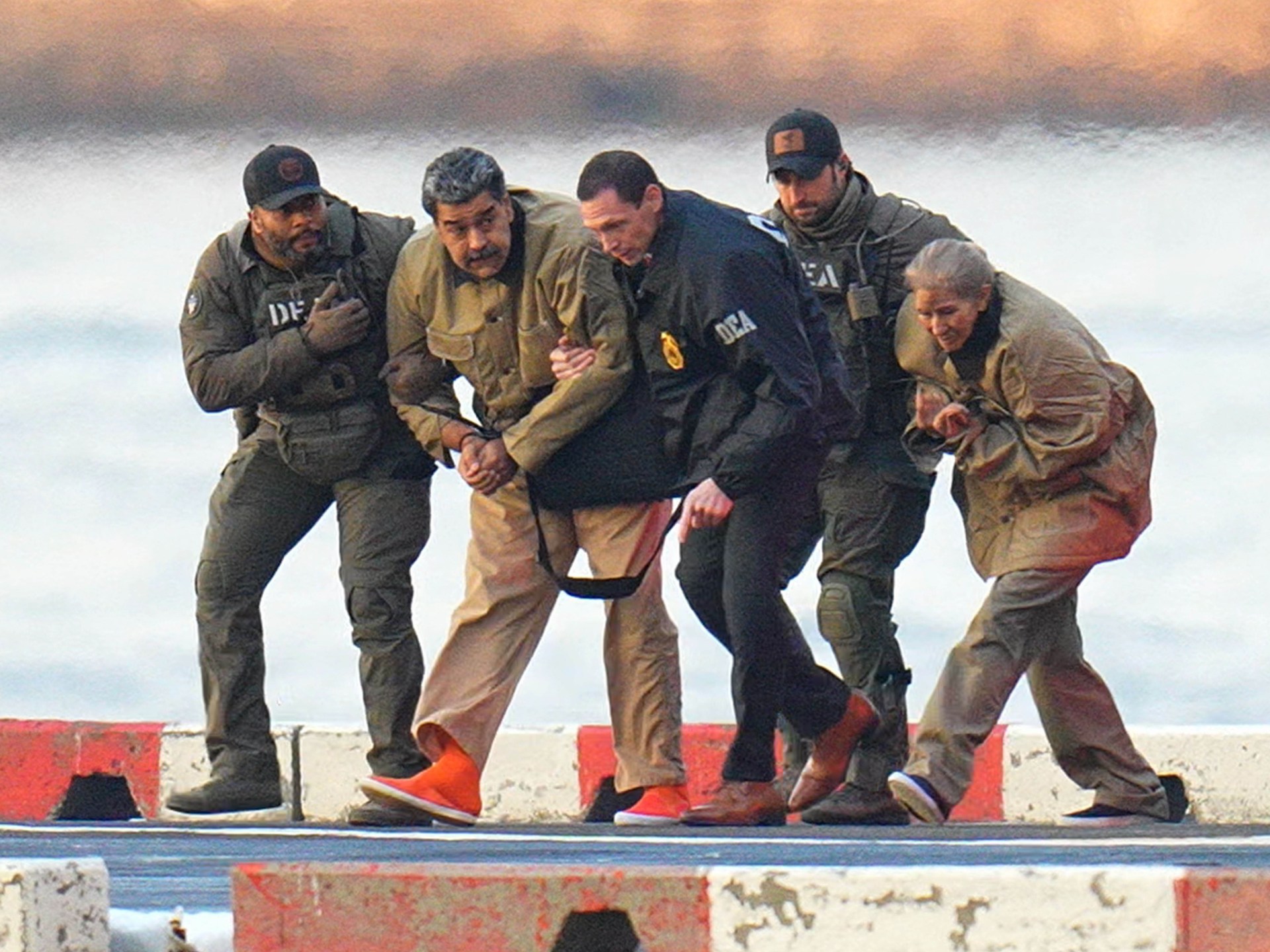
The arrest of Nicolás Maduro in New York, just a week after a special forces operation accompanied by airstrikes in Caracas, sent shockwaves through the region. Venezuelan authorities report that the operation resulted in 100 fatalities. Maduro, along with his wife Célia Flores, were detained and have pleaded not guilty to charges including drug trafficking. Their next court appearance is scheduled for March 17th.
Despite the arrest, Maduro communicated through his son, stating in a video released by the ruling party, “We are fine. We are fighters.” This message aims to project strength and resilience amongst his supporters, who have been staging daily protests demanding his return. The situation highlights the deep political divisions within Venezuela and the precarious position of its leadership.
دعوة أمريكية لمغادرة فنزويلا فورا (US Calls for Immediate Departure from Venezuela)
In response to the escalating instability, the US State Department issued a strong advisory on Saturday, urging all American citizens to leave Venezuela “immediately.” The department cited an “unstable security situation” as the primary reason for the warning. Specifically, the advisory mentioned reports of armed groups, known as colectivos, establishing roadblocks and searching vehicles for evidence of American citizenship or support for the United States.
This warning underscores the heightened risks facing foreigners in Venezuela, particularly in the wake of the military operation and the political turmoil. The US government is clearly prioritizing the safety of its citizens amidst the ongoing الاضطرابات السياسية (Political Unrest).
مفاوضات بين واشنطن وكاراكاس (Negotiations Between Washington and Caracas)
Surprisingly, despite the arrest and initial aggressive actions, the Trump administration has left the door open for cooperation with the transitional authorities in Venezuela. Discussions have begun to explore the possibility of resuming diplomatic relations, which were severed in 2019.
A key driver for the US is access to Venezuela’s vast oil reserves. President Trump has expressed interest in leveraging Venezuelan oil to address global energy concerns and has signed an executive order protecting funds derived from its sale. US diplomats recently visited Caracas to discuss the potential reopening of the embassy, though they have since departed as planned. This indicates a willingness to engage, albeit cautiously, with the new leadership. The focus on النفط الفنزويلي (Venezuelan Oil) is a significant factor in the US approach.
ردود فعل داخل فنزويلا (Internal Reactions within Venezuela)
The arrest of Maduro has sparked widespread demonstrations, both in support and opposition of the former president. Approximately one thousand supporters rallied in Caracas, carrying signs reading “We want their return” and chanting slogans proclaiming their loyalty to Maduro and his wife.
Yoselides Arroyo, a 36-year-old demonstrator, stated, “Here is a people fighting.” This sentiment reflects the deep-seated support Maduro still commands within certain segments of the Venezuelan population.
Meanwhile, acting President Delcy Rodríguez has vowed to secure Maduro’s release, stating, “We will not rest for a moment until the President returns. We will rescue him, of course we will.” She emphasized that Venezuela is not subordinate to the US, despite the ongoing negotiations. However, the government also downplayed the US security warning, claiming that the reported dangers are fabricated to create a false narrative. This highlights the conflicting messages emanating from the Venezuelan authorities.
التحديات الأمنية والوضع الحالي (Security Challenges and Current Situation)
The US warning regarding the colectivos and their activities raises serious concerns about the security situation on the ground. These armed groups have historically been aligned with the ruling socialist party and are known for their aggressive tactics. Their increased presence and activity could further destabilize the country and pose a threat to both citizens and foreigners.
The الأمن في فنزويلا (Security in Venezuela) remains a critical issue. While the transitional government insists on stability, the US assessment paints a different picture, prompting the urgent call for its citizens to leave. The situation is further complicated by the ongoing political polarization and the potential for further unrest.
الخلاصة (Conclusion)
The arrest of Nicolás Maduro marks a pivotal moment in the ongoing أزمة فنزويلا (Venezuela Crisis). While the US has taken decisive action, it is simultaneously pursuing diplomatic avenues to secure access to Venezuelan oil and stabilize the region. The internal situation remains volatile, with supporters of Maduro continuing to mobilize and the transitional government attempting to assert its authority. The coming weeks will be crucial in determining the future of Venezuela and the extent to which a peaceful resolution can be achieved. Readers are encouraged to stay informed about the latest developments and to consider the risks associated with travel to Venezuela. Further research into the role of international actors and the humanitarian impact of the crisis is also recommended.