



The ongoing conflict in Sudan has tragically extended beyond human suffering to include the deliberate targeting of the nation’s rich cultural heritage. Recent reports confirm the recovery of approximately 570 stolen artifacts, a significant but sobering step in addressing the widespread looting that has plagued Sudanese museums and archaeological sites since the outbreak of war in April 2023. This article delves into the details of this recovery, the extent of the damage, and the ongoing efforts to protect and repatriate Sudan’s آثار السودان (Sudanese artifacts).
استعادة الآثار السودانية: خطوة نحو حماية الهوية الوطنية (Recovery of Sudanese Artifacts: A Step Towards Protecting National Identity)
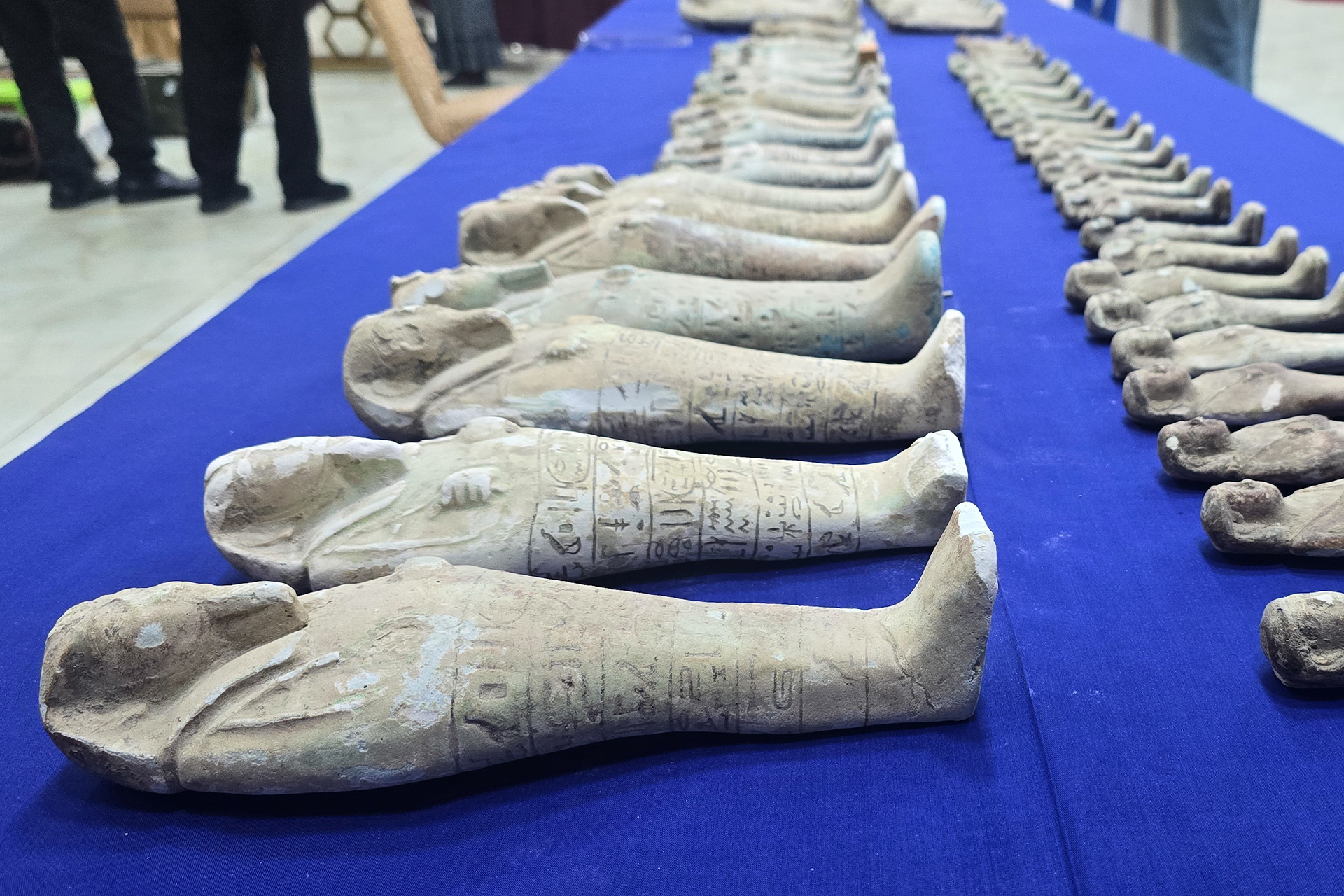
The Sudanese government announced the retrieval of 570 artifacts, previously plundered during the current hostilities. Graham Abdel Kader, the Undersecretary of the Ministry of Culture, Information, and Tourism, revealed this information during a press conference held in Port Sudan, Red Sea State. This recovery represents a crucial victory in the fight against cultural erasure, but also highlights the immense scale of the problem. The recovered pieces span various historical periods, from pre-historic eras to the Islamic period, demonstrating the breadth of Sudan’s cultural timeline.
The impact of the war on archaeological work has been devastating. According to the Ministry, around 40 foreign archaeological missions, actively excavating and researching Sudanese history, were forced to suspend their operations. This interruption not only halts vital research but also leaves vulnerable sites exposed to further looting.
حجم الخسائر: المتاحف والمواقع الأثرية المتضررة (The Scale of the Losses: Affected Museums and Archaeological Sites)
The damage inflicted upon Sudan’s cultural institutions is extensive. The establishment of the Higher Committee for the Protection of Antiquities and Museums was a proactive measure, but even with its efforts, significant losses have occurred.
Specifically:
- 86 pieces were lost from the Al-Jazeera State Museum.
- Approximately 200 artifacts disappeared from the Khalifa House Museum.
- The National Museum suffered a major breach, with the looting of its exhibition hall, a concrete room, and around 4,000 artifacts.
These figures, while alarming, likely represent only a fraction of the total loss. Beyond these major institutions, numerous smaller museums and historically significant sites have been damaged or completely destroyed, including the Republican Palace, the Ni’ala Museum, and the Geneina Museum. Initial estimates place the total financial losses at around $110 million.
اتهامات بالنهب المنظم وتورط قوات الدعم السريع (Accusations of Organized Looting and the Involvement of the Rapid Support Forces)
Abbas Mohamed Bukhit, Deputy Director of Sudan’s General Intelligence Service, directly accused the Rapid Support Forces (RSF) of committing “the biggest crime targeting Sudan in its history and heritage through the looting and smuggling of national artifacts.” He stated that the intelligence agency successfully conducted a complex and prolonged security operation to thwart the smuggling of الآثار المنهوبة (looted artifacts) and recover stolen items from the National Museum.
This operation is described as a vital step in protecting Sudan’s cultural legacy. Bukhit emphasized that safeguarding these artifacts is not solely the responsibility of the state, but a collective duty. He appealed to all Sudanese citizens to surrender any artifacts in their possession to the relevant authorities and urged zero tolerance for any criminal activity targeting cultural heritage. He also affirmed ongoing coordination with all concerned parties to recover all stolen artifacts, including those smuggled abroad, stressing that attacking national heritage is a crime equivalent to attacking human life.
الدعم الدولي وجهود اليونسكو لاستعادة التراث (International Support and UNESCO’s Efforts to Restore Heritage)
The Sudanese government has been actively seeking international assistance in recovering its stolen heritage. UNESCO has been a key partner in these efforts. Ahmed Junaid Saroush, Director of the UNESCO Office in Sudan, confirmed that UNESCO has supported the government in reporting the stolen artifacts from the National Museum since the initial announcement.
This support has included:
- Providing training and equipment for inventorying and identifying looted items.
- Training 400 Sudanese experts from the National Museum, judiciary, police, and security forces in artifact recovery and combating illicit trafficking of cultural property.
- Recent efforts to remove debris and clear the National Museum of explosives, alongside cleaning and restoring damaged areas.
UNESCO’s commitment extends to continued support for the Sudanese Ministry of Culture, Information, and Tourism in fulfilling its mandate to protect the nation’s cultural heritage. The recovery of التراث الثقافي (cultural heritage) is a global concern, and international collaboration is crucial.
حملة توعية وتنسيق مع دول الجوار (Awareness Campaign and Coordination with Neighboring Countries)
Sudanese Finance Minister, Dr. Gabriel Ibrahim, underscored the profound significance of the recovered artifacts, stating they represent Sudan’s history, identity, and civilization. He argued that those who sought to steal these artifacts aimed to erase the nation’s identity and diminish its contribution to history.
Dr. Ibrahim called for a national awareness campaign to educate citizens about the importance of protecting artifacts and encouraged a government-led initiative to collect artifacts from across Sudan. He also appealed to international organizations and neighboring countries for assistance in recovering the stolen heritage. This highlights the need for a multi-faceted approach, combining security measures, international cooperation, and public awareness.
In conclusion, the recovery of these 570 artifacts is a positive development, but it is merely a starting point. The scale of the looting and damage to Sudan’s cultural heritage is immense, requiring sustained and coordinated efforts from the government, international organizations, and the Sudanese people. Protecting and repatriating these آثار السودان is not just about preserving the past; it’s about safeguarding the nation’s identity and ensuring a future where its rich history is celebrated and respected. Continued vigilance, robust security measures, and unwavering international support are essential to prevent further loss and restore Sudan’s cultural treasures.