




The global economy continues to demonstrate surprising resilience in the face of ongoing trade tensions and geopolitical uncertainties. Recent statements by Kristalina Georgieva, Managing Director of the International Monetary Fund (IMF), suggest that the IMF’s upcoming economic forecasts will reflect this continued strength, despite potential downside risks. This article delves into the IMF’s outlook, the factors influencing it, and the implications for global economic growth, with a particular focus on the impact of US tariffs and support for Ukraine. The global economic outlook remains a key concern for policymakers and investors alike.
IMF Maintains Cautiously Optimistic Global Economic Outlook
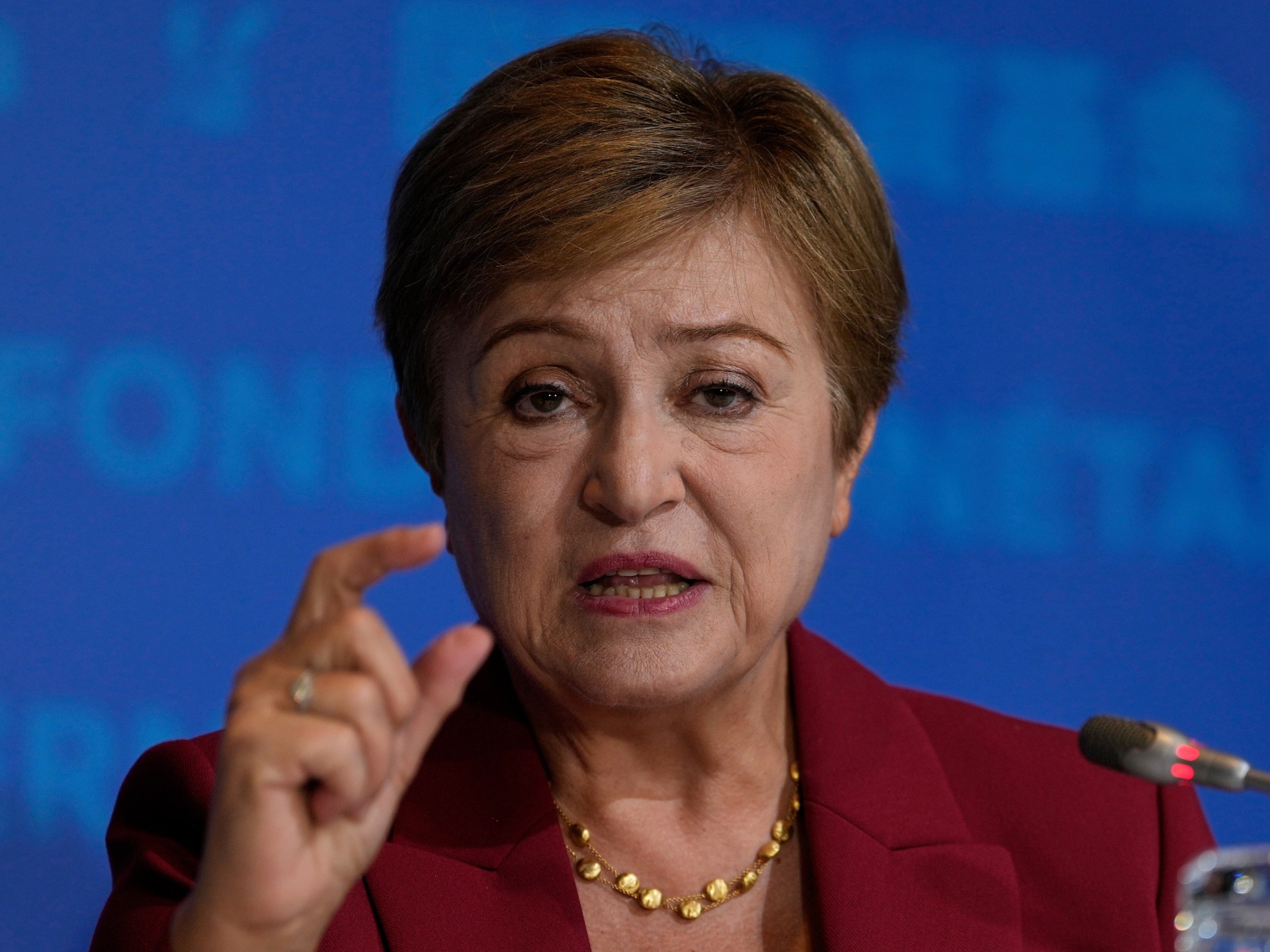
Georgieva, during a visit to Kyiv, Ukraine, indicated that the latest IMF projections, due to be released next week, will show the world economy continuing to navigate challenges with notable flexibility. While acknowledging the presence of risks – including potential economic slowdowns, recessions, and increased market volatility – she emphasized that the current performance remains “quite strong.” This assessment follows a slight upward revision in October of last year, where the IMF increased its 2025 global GDP growth forecast to 3.2% from 3.0% previously.
The initial fears surrounding the impact of US tariffs proved less severe than anticipated, contributing to this revised outlook. The IMF maintained its 2026 growth projection at 3.1%. However, it’s important to note that this optimism is tempered by the recognition of persistent downside risks. The IMF’s analysis consistently highlights the delicate balance between positive momentum and potential setbacks.
The Diminishing Impact of US Tariffs
A significant factor contributing to the relatively positive economic forecast has been the mitigation of the negative effects of US tariffs. The initial announcement of widespread tariffs by former US President Donald Trump in April of the previous year sparked considerable anxiety about a potential escalation of trade wars.
Fortunately, a series of bilateral trade agreements between the US and key partners, including the European Union, Japan, and South Korea, helped to alleviate these concerns. Furthermore, the agreement reached between Trump and Chinese President Xi Jinping to reduce tariffs on Chinese goods for a year provided a further stabilizing influence. This demonstrates the importance of diplomatic solutions in managing global trade tensions.
Supporting Ukraine’s Economic Stability
Georgieva’s visit to Kyiv marks a crucial moment in the IMF’s ongoing support for Ukraine. It’s her first visit since 2023 and comes as Ukraine is poised to receive a new tranche of funding under the IMF’s assistance program.
During her trip, Georgieva is scheduled to meet with Ukrainian President Volodymyr Zelenskyy and other high-ranking officials. Julie Kozak, the IMF’s Director of Communications, emphasized that the visit allows the Managing Director to gain a firsthand understanding of the challenges facing Ukraine and the priorities of the local authorities.
The New IMF Assistance Program for Ukraine
The IMF recently approved a new four-year assistance program for Ukraine valued at $8.2 billion. This program is designed to support a comprehensive set of economic reforms aimed at stabilizing the Ukrainian economy and fostering sustainable growth. Georgieva will reiterate the importance of continuing these reforms and reaffirm the IMF’s commitment to supporting Ukraine’s economic recovery. This commitment is vital, especially given the ongoing geopolitical situation and its impact on the Ukrainian economy. The program focuses on both macroeconomic and structural reforms, addressing key vulnerabilities and building a more resilient economic foundation.
Implications for the Global Economy and Future Outlook
The IMF’s continued, albeit cautious, optimism regarding the global economic growth is a positive sign for the world. It suggests that the global economy is more adaptable than previously thought and can withstand significant shocks. However, the emphasis on downside risks underscores the need for vigilance and proactive policy measures.
Central banks and governments must remain attentive to potential threats, such as escalating geopolitical tensions, rising inflation, and financial instability. Furthermore, international cooperation is essential to address global challenges effectively. The IMF plays a critical role in fostering this cooperation and providing guidance to member countries.
The upcoming release of the IMF’s January economic forecasts will be closely watched by markets and policymakers. While a significant upward revision is not expected, any indication of continued resilience or a shift in the risk assessment will have important implications for investment decisions and economic policy. The international monetary fund will continue to monitor the situation closely.
In conclusion, the IMF’s current assessment points to a surprisingly robust global economy, capable of navigating trade tensions and geopolitical uncertainties. However, the presence of downside risks necessitates a cautious approach and continued vigilance. The support for Ukraine’s economic stability remains a key priority, and the success of the new assistance program will be crucial for the country’s long-term recovery. Stay informed about the IMF’s latest reports and analyses to gain a deeper understanding of the evolving global economic landscape.