



The Grand Ethiopian Renaissance Dam (GERD) continues to be a focal point of regional tension and diplomatic efforts. Recent initiatives led by the United States, alongside Saudi Arabia and the UAE, aim to resolve the long-standing dispute over the filling and operation of the سد النهضة (GERD). While welcomed as a potential step forward, opinions diverge significantly regarding the prospects for success and the nature of a viable solution, particularly as the dam nears completion. This article delves into the various perspectives surrounding the latest mediation attempts, the core concerns of each nation involved, and the potential pathways forward.
مبادرة ترامب الجديدة: هل تحمل بصيص أمل؟ (The New Trump Initiative: Does it Hold a Glimmer of Hope?)
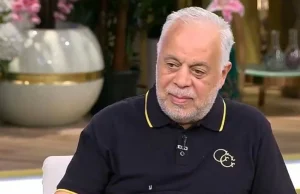
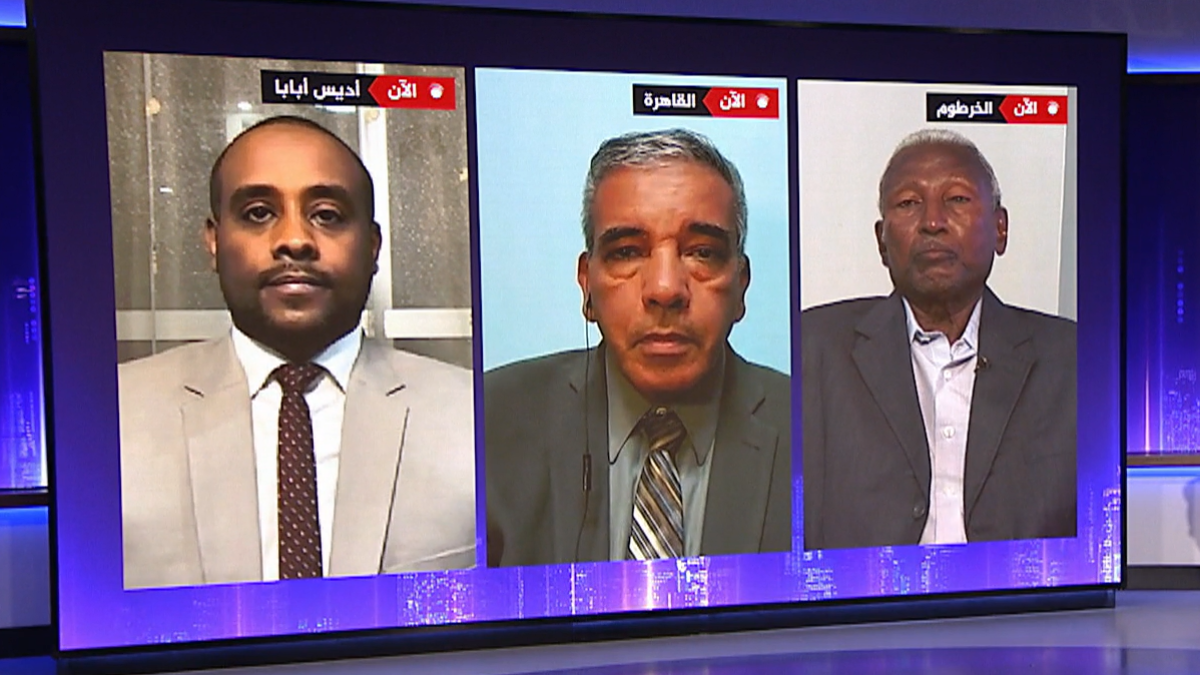
The latest push for a resolution, spearheaded by the US administration, has sparked both cautious optimism and deep skepticism. Experts appearing on Al Jazeera’s “Al-Masaiyah” program agreed that the initiative represents a renewed attempt to break the deadlock that has characterized the سد النهضة (GERD) issue for years. However, consensus quickly fractured when discussing the likelihood of a breakthrough.
Dr. Ahmed Al-Mafti, a Sudanese legal expert, expressed doubts about the initiative’s novelty, stating that previous US interventions had failed to yield tangible results. He emphasized the necessity of applying genuine pressure on Ethiopia to ensure meaningful progress, warning that mere statements would be insufficient. Conversely, Mohamed Al-Arousi, an Ethiopian parliamentarian, voiced reservations about any US role perceived as leaning towards Egypt’s position or exerting undue pressure.
مصر والسودان: المخاوف المشروعة والحلول المقترحة (Egypt and Sudan: Legitimate Concerns and Proposed Solutions)
Egypt and Sudan share a common concern: the potential for the سد النهضة (GERD) to negatively impact their water security. Egypt, heavily reliant on the Nile for its water supply, fears significant reductions in water flow, particularly during periods of drought. Sudan, while potentially benefiting from the dam’s electricity generation, is concerned about the dam’s safety and the potential for flooding, as highlighted by past incidents where Ethiopia opened the dam’s gates without prior notification.
From Cairo, Abbas Shraqi, a professor of water resources at Cairo University, clarified that Egypt is not seeking joint management of the dam, respecting Ethiopia’s sovereignty. Instead, Egypt advocates for a technical coordination mechanism to ensure the dam’s operation doesn’t harm downstream nations. He pointed out that the most critical phase – the filling of the reservoir – is largely behind them, with the dam currently holding approximately 60 billion cubic meters of water. The focus now, he argues, is on the operational phase and future refills during the rainy seasons.
Dr. Al-Mafti, representing Sudan’s perspective, suggested that negotiations should now center on addressing the “injustice” suffered by both Sudan and Egypt. He proposed a joint management framework as a potential solution to guarantee the interests of all three countries. He also raised the possibility of Sudan seeking reparations, including claims to the land on which the dam is built, if a satisfactory resolution isn’t reached, citing the original land grant to Ethiopia being contingent on certain conditions that have not been met. This highlights the growing frustration in Khartoum.
الموقف الإثيوبي: السيادة والمصالح الوطنية (The Ethiopian Position: Sovereignty and National Interests)
Ethiopia views the سد النهضة (GERD) as a crucial project for its economic development and energy independence. It maintains that the dam is entirely within its sovereign rights and that the filling and operation are matters of national interest. Al-Arousi reiterated Ethiopia’s commitment to its national interests, asserting that any concerns from Egypt can be addressed within an African framework. He firmly rejected any external pressure or attempts to impose agendas outside of this framework.
Al-Arousi also downplayed concerns about potential harm to Sudan, claiming the dam has actually protected the country from catastrophic floods. He confirmed that Ethiopia provides notification to downstream nations regarding water releases, contradicting Egyptian claims. He questioned the continued need for negotiations, given Egypt’s acknowledgement that the most dangerous phase – the initial filling – has passed. He characterized the dam as a “fait accompli” that, if managed collaboratively, could benefit the entire region.
دور الوساطة الإقليمية: إضافة جديدة أم تكرار للجهود السابقة؟ (The Role of Regional Mediation: A New Addition or a Repetition of Previous Efforts?)
A significant aspect of the current initiative is the inclusion of Saudi Arabia and the UAE as mediators, a departure from previous attempts. While Dr. Al-Mafti acknowledged this as a new development, he remained unconvinced that it would lead to a genuine breakthrough, citing Ethiopia’s consistent stance over the past eleven years. Ethiopia has consistently maintained that the dam, water resources, and financing are solely its internal affairs.
The success of this latest mediation effort hinges on several factors, including the willingness of all parties to compromise and the application of sustained, constructive pressure. The involvement of regional powers like Saudi Arabia and the UAE could potentially add a new dynamic to the negotiations, but ultimately, a solution requires a commitment to equitable water sharing and a transparent, collaborative approach to the dam’s operation. The future of the Nile Basin and the stability of the region depend on finding a mutually acceptable resolution to the سد النهضة (GERD) dispute.
This article aims to provide a comprehensive overview of the current situation. For further information on water resources in the Nile Basin, you can explore resources from the Nile Basin Initiative. Stay updated on this evolving situation by following news from reputable sources like Al Jazeera and Reuters.