



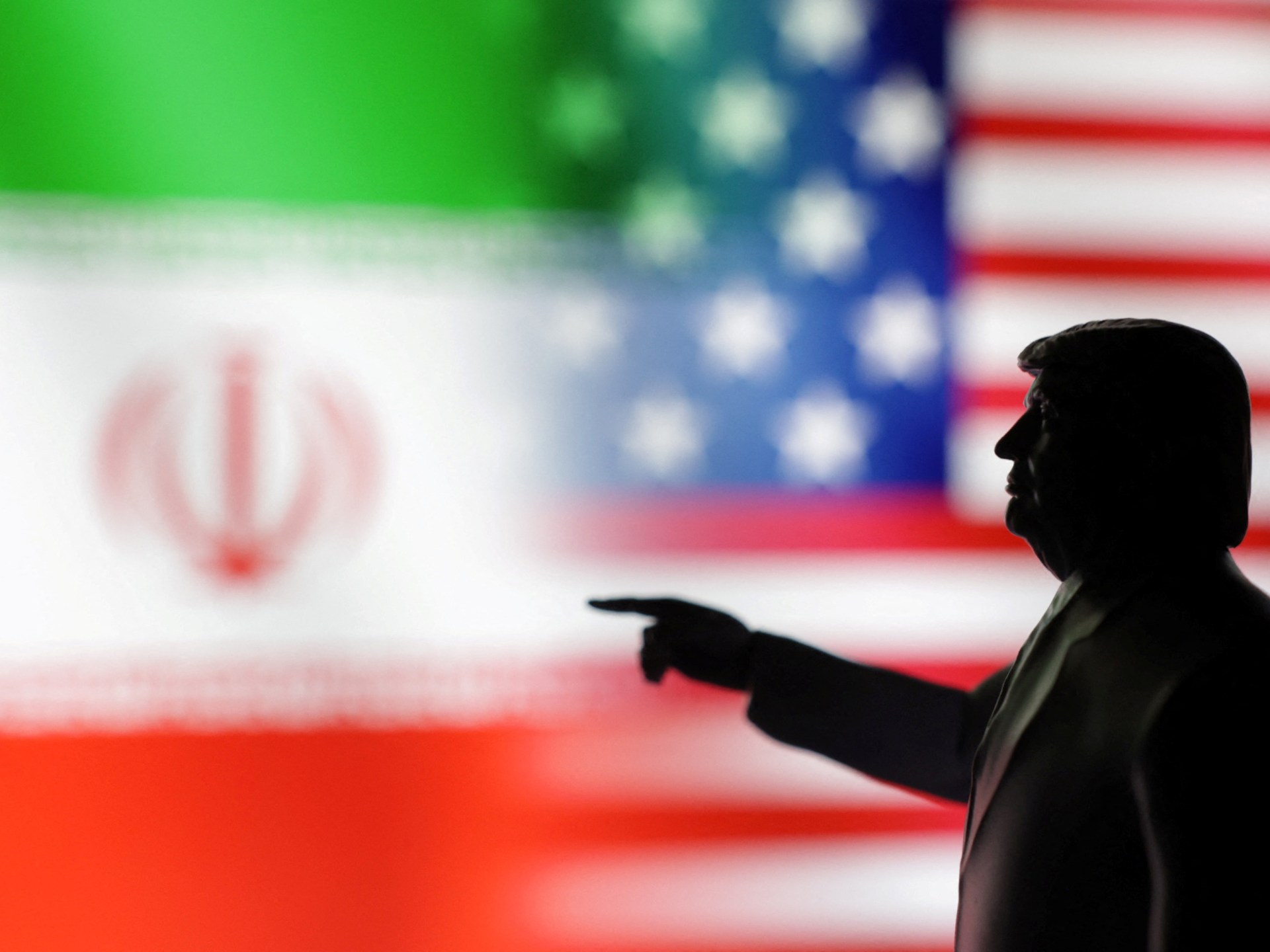
The escalating tensions in the Middle East, marked by a significant US military buildup, are far more than a simple show of force. This complex political gamble intertwines deterrence calculations with the very real risk of unintended escalation. The rapid deployment of troops and assets raises questions beyond the timing of a potential strike, delving into the nature of the decision-making process and who truly holds the reins. This article will analyze the current situation, focusing on the US military buildup in the Middle East and its implications for regional stability.
The Shifting Sands: Understanding the US Military Buildup
Recent movements of US forces have ignited intense speculation. On one hand, they are interpreted as maximum pressure tactics aimed at coercing Iran into concessions. On the other, they are seen as a delayed response to pressure from Israel, seeking to internationalize its conflict with Tehran. This inherent tension – between coercive diplomacy and the potential for military escalation – was a central theme of discussion in the “Ma Wara’ al-Khabar” (Beyond the News) program. The US military buildup in the Middle East is being viewed as a test of Washington’s resolve, rather than a definitive prelude to war.
Former US President Donald Trump’s approach to foreign policy remains a crucial factor in understanding the current dynamics. Trump consistently favored swift, limited strikes designed to achieve immediate political objectives, avoiding prolonged and costly engagements. This preference suggests the current deployment is intended as a strong signal of pressure, rather than a full-scale declaration of war.
Rational Calculations and Iranian Responses
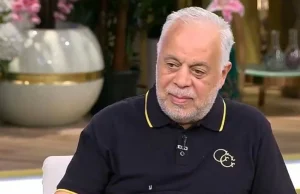
However, this approach clashes with the complex realities of the region. Iran is not a foe easily contained, and possesses the capacity to broaden the scope of any conflict without directly initiating it. Sasan Karimi, a former aide to the Iranian Vice President and a member of the Vienna negotiation delegation, highlights the importance of rational calculation in Iranian decision-making.
Karimi believes Tehran views the US military buildup as an escalation of threats, but not necessarily an indication of an imminent attack. The political and military costs of a direct confrontation, according to this assessment, outweigh any potential gains for Washington, particularly given the absence of a direct Iranian threat to US interests. This perspective underscores the importance of understanding Iran’s strategic depth and its willingness to endure pressure.
Israel’s Urgency and the Regional Context
In contrast to the US’s more measured approach, Israel appears to be accelerating towards a confrontation. Dr. Mahjoub al-Zuwairi, an academic and Middle East expert, explains that Tel Aviv perceives the conflict with Iran as an existential extension of the events following October 7th, 2023, and is striving to make it a top priority for the US.
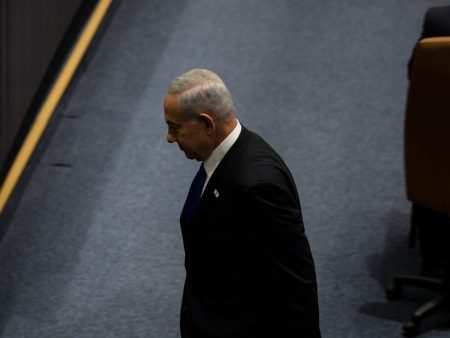
From this viewpoint, the US military presence isn’t a separate event, but rather a consequence of sustained Israeli pressure. Israeli Prime Minister Benjamin Netanyahu, as Zuwairi points out, sees striking Iran as an opportunity to reshape regional power dynamics, even if it means plunging the area into prolonged instability. This divergence in objectives – US seeking leverage, Israel desiring decisive action – creates a critical dilemma regarding control over the escalation process. The situation is further complicated by the potential for miscalculation and unintended consequences.
Calculated Risks and Potential Repercussions
Patrick Clawson, Director of Research at the Washington Institute for Near East Policy, reflects a certain degree of American thinking, assuming any Iranian response will remain within calculated limits, mirroring past instances. This assumption, however, is fraught with risk. An Iranian response isn’t solely measured by its military nature, but also by how it’s perceived domestically. A new strike could be interpreted as an existential threat to the regime, potentially triggering a response exceeding previous symbolic gestures.
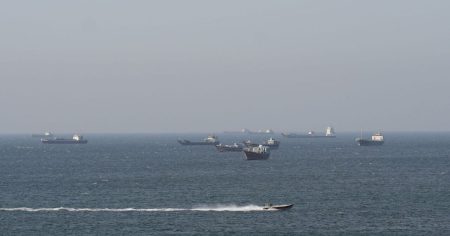
The Iranian warning of a “wider and longer” response is therefore more than just rhetorical posturing. It serves as a reminder that the repercussions of conflict extend beyond the battlefield, impacting the global economy, vital sea lanes, and energy markets. The potential for a wider conflict, involving proxies and disrupting global trade, is a significant concern. Furthermore, the increasing regional tensions are a key factor.
Regional Concerns and the Path Forward
Most regional powers do not see a benefit in this escalating scenario. Gulf states, Turkey, and other actors recognize that a US-Iran conflict would plunge the region into chaos with unpredictable repercussions. With diplomatic avenues for de-escalation dwindling, the risk of miscalculation grows exponentially. Each day without a clear path towards negotiation increases the likelihood of an accidental slide into open warfare, transforming the current buildup from a pressure tactic into the spark that ignites a devastating conflict.
The current situation demands careful diplomacy, clear communication, and a willingness to address the underlying concerns of all parties involved. Ignoring the potential for escalation, or relying solely on military deterrence, could have catastrophic consequences for the Middle East and the world. A proactive approach to de-escalation, focusing on dialogue and mutual understanding, is crucial to prevent a further deterioration of the already fragile security landscape. The US military buildup in the Middle East should be viewed as a dangerous inflection point, requiring urgent and concerted efforts to avert a wider conflict.